Exynos 2700: The Future of Flagship Performance
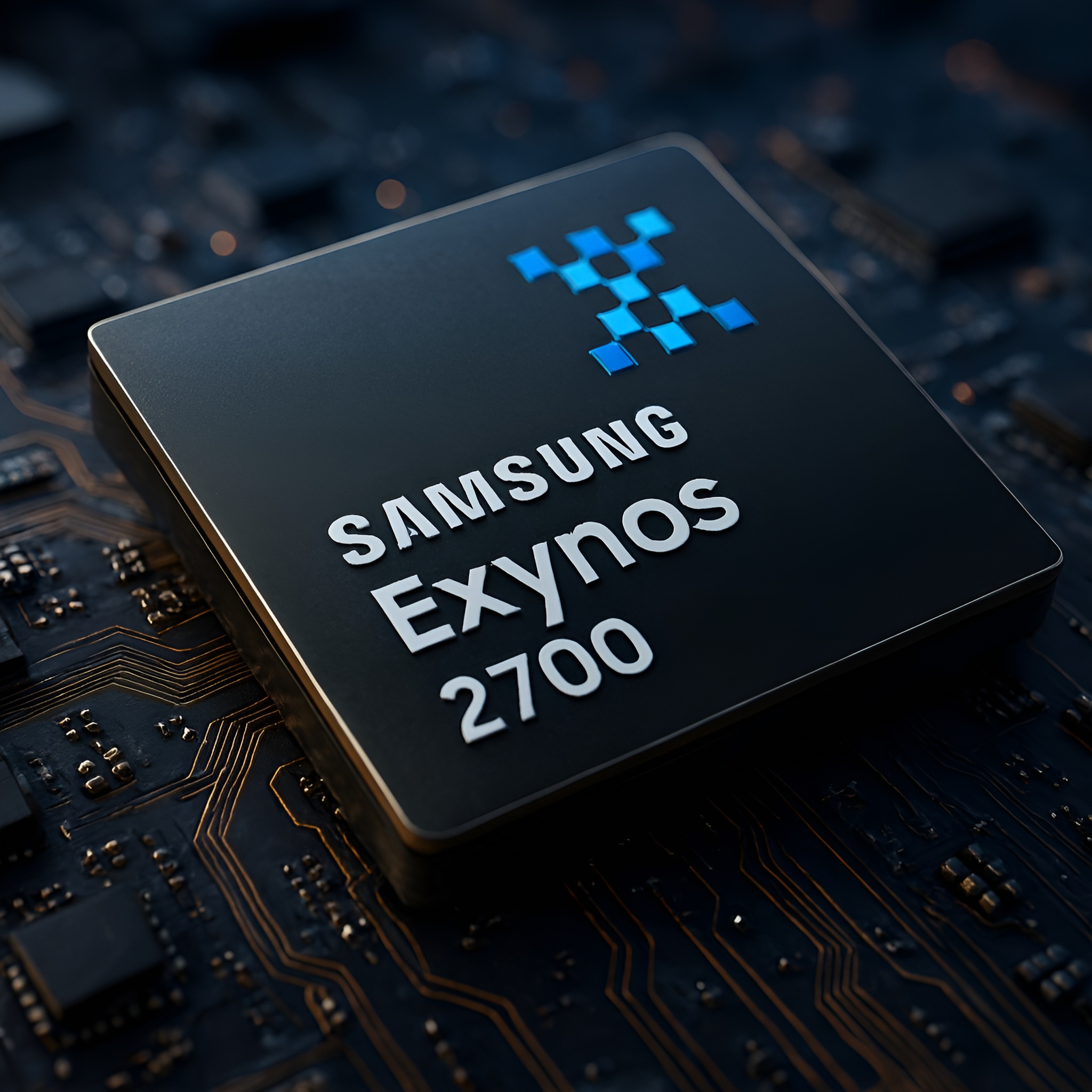
The mobile processor landscape is on the cusp of another transformation, and Samsung's Exynos 2700 is poised to lead the charge. Codenamed Ulysses, this chip is expected to debut at CES 2026, offering a blend of cutting-edge performance and efficiency that could redefine what consumers expect from flagship smartphones.
Performance and Efficiency Redefined
The Exynos 2700 is anticipated to leverage Samsung's next-generation SF2P process, an evolution of the 2nm GAA (Gate-All-Around) technology. This advancement promises a substantial performance boost while significantly reducing power consumption compared to its predecessor, the Exynos 2600. The chip is expected to feature ARM Cortex-C2 cores, likely including C2-Ultra and C2-Pro variants, which could deliver an IPC gain of around 35%. The prime core is projected to be clocked at 4.20GHz, up from 3.90GHz in the Exynos 2600.
Key Specifications
- Process Technology: SF2P process, expected to offer a 12% increase in gross performance and a 25% reduction in energy consumption.
- Core Architecture: ARM Cortex-C2 cores with C2-Ultra and C2-Pro variants, promising significant improvements in single-threaded and multi-threaded performance. The prime core is expected to be clocked at 4.20GHz, while the other cores are anticipated to run at 3.90GHz and 3.80GHz.
- Thermal Efficiency: FOWLP-SbS (Side-by-Side) packaging technology with a unified Heat Path Block (copper-based heat sink), covering the entirety of the AP for improved heat dissipation.
- Memory Support: LPDDR6 RAM support, offering throughput of up to 14.4 Gbps, and UFS 5.0 storage, which could enhance data transmission speeds significantly.
The Exynos 2700 is also expected to retain the 1+3+6 core configuration seen in its predecessor, with one C1-Ultra core running at 4.20GHz, three C1-Pro cores at 3.90GHz, and six additional C1-Pro cores at 3.80GHz. This setup, combined with the new C2 cores, could translate to a theoretical single-core Geekbench 6 score of 4,800 and a multi-core score of 15,000, representing significant jumps from the Exynos 2600.
Real-World Implications
The advancements in the Exynos 2700 chip could have tangible benefits for users. The SF2P process and improved thermal efficiency are expected to result in better battery life and overall device performance. The LPDDR6 RAM support and UFS 5.0 storage could also lead to faster data processing and smoother multitasking experiences.
The unified Heat Path Block is a notable innovation, as it addresses thermal bottlenecks that have been a challenge for previous generations of mobile processors. This could translate to more stable performance under prolonged workloads, such as gaming or video editing, without the need for aggressive throttling.
Who It's Best For
The Exynos 2700 chip is likely to be targeted at flagship smartphones, particularly those in regions where Samsung has a strong market presence. Users who prioritize performance and efficiency in their devices will find this chip compelling, especially if it delivers on its promise of significant improvements over the Exynos 2600.
For tech enthusiasts and developers, the shift to ARM's C2 cores could open up new possibilities for software optimization and innovation. The improved thermal management and power efficiency could also make this chip a strong contender in the performance-per-watt department, which is increasingly important as battery life becomes a more critical factor in device design.
Looking Ahead
While there are still many details to be confirmed, the Exynos 2700 chip appears to be on track to set new benchmarks in mobile processor performance and efficiency. If Samsung can successfully integrate these advancements without introducing significant drawbacks, it could mark a turning point in its long-standing competition with Qualcomm.
The chip is expected to make its debut at CES 2026, where more concrete details about its features, performance, and availability are likely to be revealed. Until then, the focus remains on whether Samsung can deliver on its promises and solidify its position in the high-end smartphone market.