The Exynos 2700 represents a strategic pivot for Samsung, combining cutting-edge thermal engineering with the practical constraints of its 2nm Gate-All-Around (GAA) process. While the chip is engineered to deliver high performance, its viability in enterprise and mobile markets will hinge on how well it manages heat—a factor that can make or break long-term reliability.
Samsung’s 2nm GAA process, though a leap forward in transistor density, introduces challenges that the Exynos 2700 attempts to address. The chip’s architecture incorporates multiple layers of thermal mitigation, including a liquid metal thermal interface and enhanced power delivery circuits. These components are designed to stabilize performance under sustained workloads, a critical requirement for enterprise-grade devices where consistency is non-negotiable.
The Exynos 2700’s CPU configuration reflects this focus on balance: an octa-core setup featuring one Cortex-X4 core clocked at up to 3.9 GHz and three Cortex-A715 cores operating at 3.6 GHz. The remaining four Cortex-A510 cores are optimized for efficiency, aiming to minimize thermal throttling while maintaining performance. This structure is particularly relevant for enterprise workloads that demand both power and stability.
Despite these innovations, the chip’s real-world effectiveness remains unproven without comprehensive benchmarks. While Samsung’s 2nm process is theoretically advanced, its practical performance may not yet match TSMC’s N2P node in efficiency or yield stability. Enterprise buyers will need to evaluate whether the Exynos 2700’s thermal solutions justify its adoption, especially if supply constraints continue to affect production.
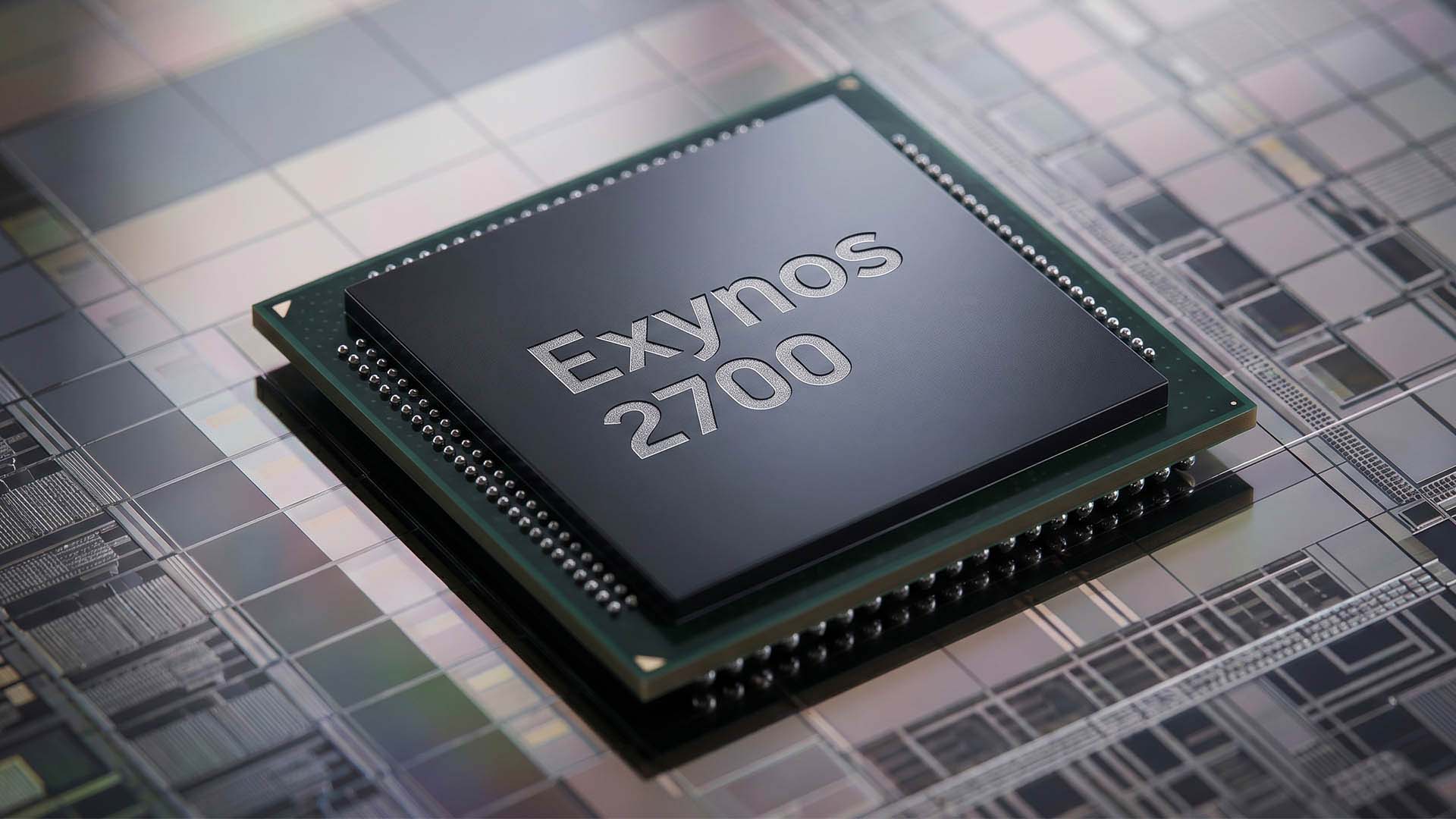
The Mali-G715 GPU integrated into the Exynos 2700 further highlights its enterprise ambitions. It supports hardware-accelerated ray tracing and is optimized for applications like augmented reality and high-resolution graphics. Additionally, the chip includes an NPU capable of delivering up to 35 TOPS (trillion operations per second), a significant leap in AI processing performance that aligns with the growing demand for AI-driven enterprise workflows.
For IT administrators, deployment considerations are multifaceted. Compatibility with existing Samsung Exynos-based ecosystems is a given, but the chip’s thermal management requirements may introduce new variables. While its design aims to reduce the need for external cooling solutions, real-world performance in high-density environments remains uncertain. Supply availability adds another layer of complexity, with TSMC’s N2P node potentially influencing future production decisions.
The Exynos 2700’s success will ultimately depend on its ability to balance thermal innovation with long-term reliability. As benchmarks and supply data emerge, the chip’s position in the market will become clearer. For now, it stands as a testament to Samsung’s determination to push boundaries, even when faced with the challenges of next-generation process technologies.