The game industry has seen its share of layoffs, but few have been as sudden or as extensive as the recent announcement from Eidos Montreal. The studio, known for its contributions to franchises like Deus Ex, Prey, and System Shock, has cut 124 developers, representing a substantial portion of its team. This move comes as the company navigates a challenging economic climate, leaving many to wonder about the implications for its future projects.
Eidos Montreal's history is one of innovation and storytelling, but this latest development has sent ripples through the industry. The studio, which has been a powerhouse in game development since its inception in 1997, is now facing significant changes. The departure of its head, who has led the studio for over a decade, adds another layer to this narrative. This individual's tenure was marked by notable achievements, including the creation of Deus Ex: Human Revolution, a game that set new standards for narrative and gameplay.
The layoffs are not just a numbers game; they reflect broader trends in the industry. Studios are increasingly forced to make tough decisions as the market shifts and consumer preferences evolve. Eidos Montreal's move, while painful, is part of a larger pattern of restructuring that has been seen across the board. This includes other major studios like Ubisoft, which has also faced significant workforce reductions in recent months.
The Impact on Game Development
The immediate impact of these layoffs will be felt most acutely by the developers who are losing their jobs. However, the ripple effects will extend far beyond the studio's walls. Game development is a collaborative process, and the loss of experienced talent can have long-lasting consequences for the industry as a whole.
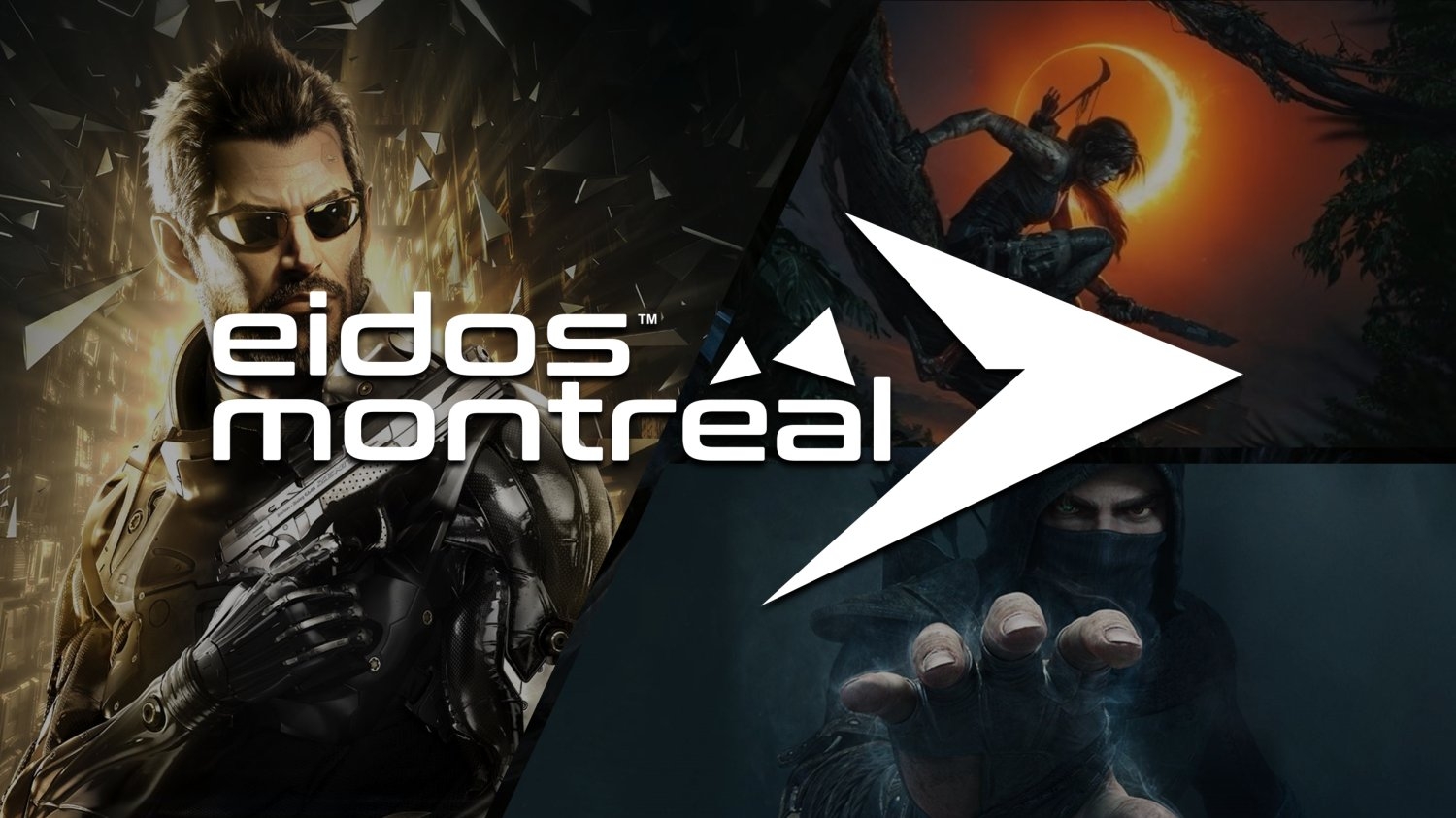
One of the key questions that arises from this situation is what it means for Eidos Montreal's future projects. The studio has a proven track record of delivering high-quality games, but the loss of such a significant portion of its team raises concerns about whether it can maintain that level of excellence. There are also questions about how this will affect the studio's ability to innovate and take risks, which have been hallmarks of its past work.
The departure of the studio's head is particularly noteworthy. This individual has been a driving force behind many of Eidos Montreal's most successful projects. Their leadership has been instrumental in shaping the studio's identity and direction. With their departure, there is a sense of uncertainty about what the future holds for Eidos Montreal.
Looking Ahead
As Eidos Montreal navigates this period of change, it will be closely watched by the industry as a whole. The studio has always been known for its commitment to storytelling and innovation, but the challenges it now faces are significant. It remains to be seen whether these changes will ultimately benefit the studio or hinder its progress.
For now, the focus is on the developers who have been affected by these layoffs. Many of them have spent years building their careers at Eidos Montreal, and the loss of their jobs is a stark reminder of the precarious nature of the game industry. It also serves as a call to action for the industry to reflect on its practices and ensure that it is doing everything possible to support its workforce during times of change.
The story of Eidos Montreal's layoffs is far from over. As the studio moves forward, it will be interesting to see how it adapts to these changes and what this means for the future of game development. One thing is certain: the industry will never be the same again.