Gaming has long been defined by one simple rule: more frames mean better performance. But Nvidia’s DLSS 5 is quietly upending that assumption, prioritizing power efficiency over raw FPS gains—a shift that could have far-reaching implications for how gamers and hardware manufacturers measure performance.
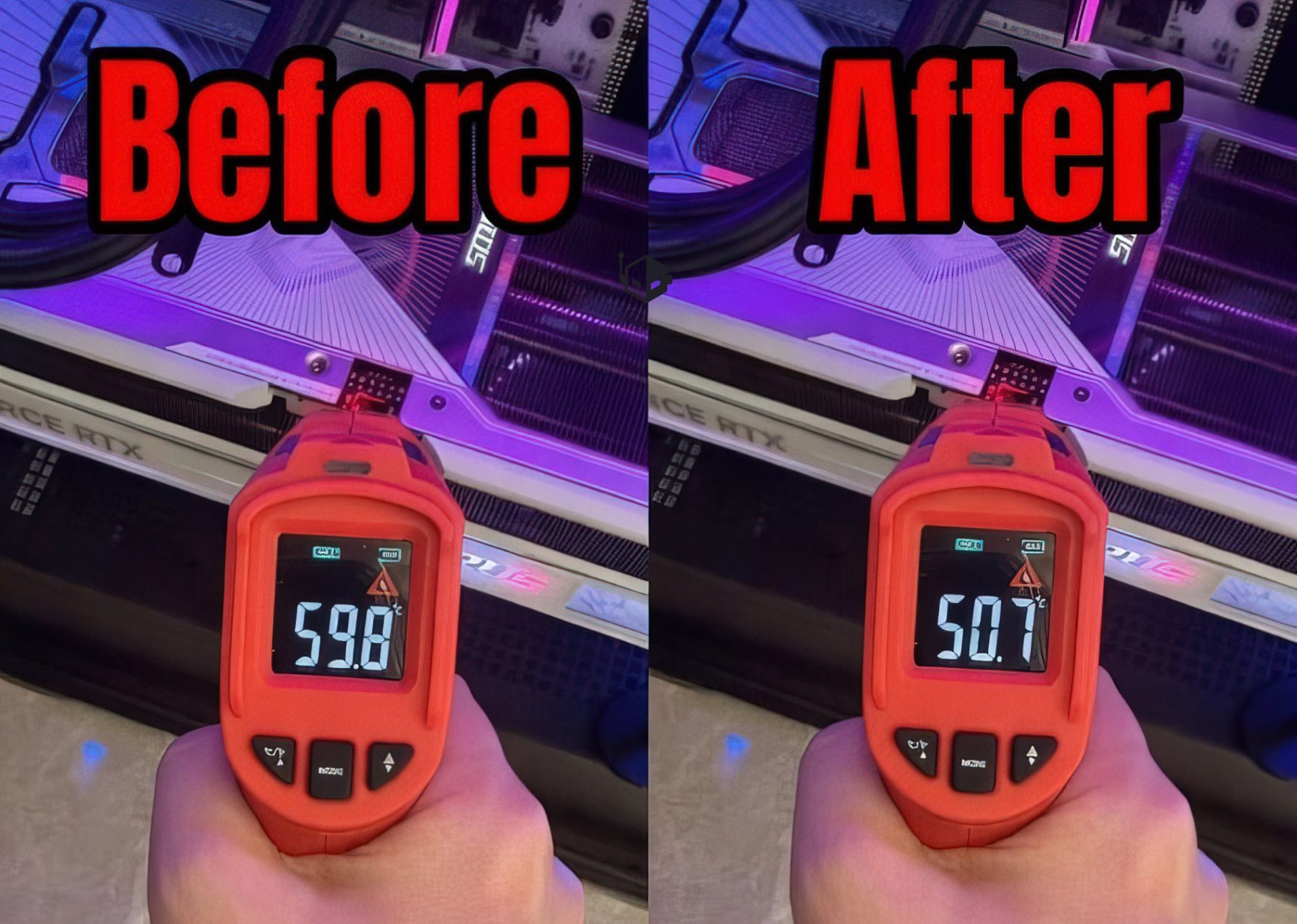
The latest version of DLSS no longer focuses on resolution scaling to boost frame counts. Instead, it targets reduced GPU load and thermal efficiency, acknowledging that sustained high performance isn’t just about pushing more frames through the pipeline—it’s also about managing heat and power consumption without throttling. This is a significant departure from previous iterations, which were largely judged by their ability to deliver higher FPS at supported resolutions.
For years, DLSS has been a staple in Nvidia GPUs, offering impressive performance gains compared to native resolution scaling. But with DLSS 5, the focus has shifted to GPU utilization and thermal management, particularly on Ada Lovelace architecture, where sustained loads can push hardware to its limits.
- DLSS 5 generates frames rather than upscaling them, aiming for lower GPU load while maintaining visual quality.
- Early benchmarks show modest FPS gains over DLSS 3.5 in some titles, but with significantly reduced power draw and heat output during extended gameplay sessions.
- The technology is limited to supported games and Nvidia GPUs, with no indication it will replace older DLSS versions for backward compatibility.
This efficiency-first approach could accelerate the trend toward smaller, more power-conscious gaming systems, a shift already visible in laptops but still underdeveloped in desktops. For Nvidia, this may represent a strategic pivot from raw performance metrics to real-world usability, where sustained performance and thermal management matter as much as benchmark numbers.
Gamers accustomed to judging DLSS by FPS alone might find the shift frustrating, but those constrained by thermal limits could see it as a necessary evolution. The question now isn’t whether DLSS 5 delivers more frames—it’s whether it can make high-end GPUs run cooler for longer and redefine what ‘performance’ truly means in an era where power efficiency is becoming just as critical as frame counts.