A shooter that lets you hijack your own character promises a fresh take on combat, but its limited playtime and linear progression may leave players craving more.
Directive 8020 arrives on the PlayStation 5 with a bold premise: players can temporarily assume control of enemy units mid-battle. This isn't just about swapping perspectives—it's about redefining how shooters handle tactical depth and player immersion. The game's single-playthrough structure, however, forces a reckoning with whether innovation in gameplay can outlast its narrative constraints.
The core mechanic allows players to 'direct' alien enemies, turning them into temporary allies or tools for environmental destruction. This isn't a multiplayer feature; it's a solo experience where the player's decisions ripple through the mission's pacing and outcomes. The game's 10-12 hour campaign is designed to be experienced once, with no traditional save system—only checkpoints that reset certain enemy behaviors.
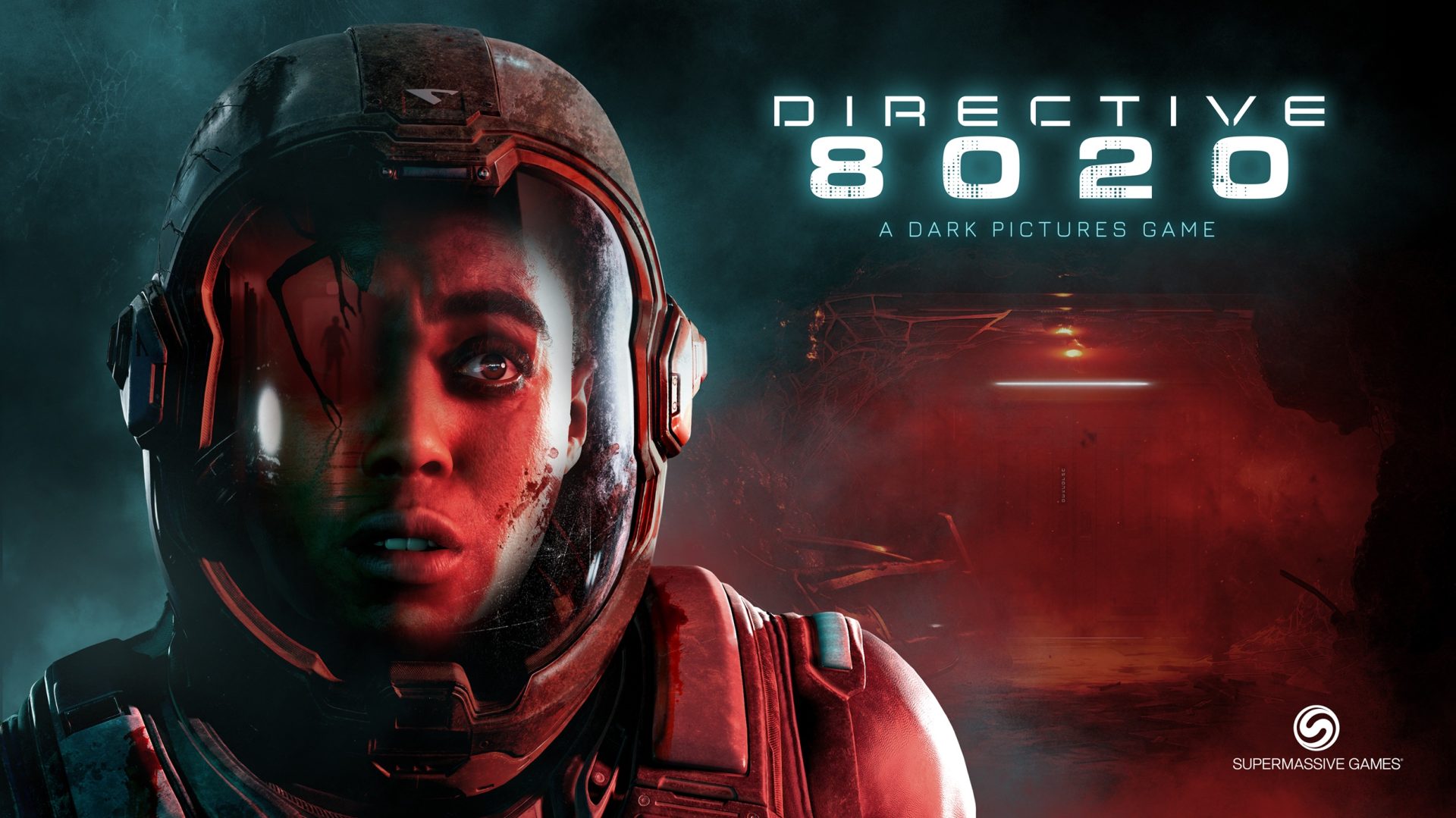
For IT teams evaluating hardware for this title, the PS5's performance is a given, but the real question is whether the game's design risks becoming obsolete before its time. The lack of post-launch content updates or multiplayer modes means that the only way to revisit missions is through New Game+, which resets enemy AI patterns rather than offering meaningful progression.
Who benefits most? Hardcore shooter fans who prioritize mechanical innovation over replay value will find Directive 8020's approach compelling, but its single-playthrough model may limit its longevity in an era where players expect persistent updates. The game's strength lies in its ability to subvert expectations without sacrificing core tactical gameplay, making it a niche but notable entry in the genre.