NVIDIA stands at a crossroads. Its A100 GPU, the gold standard for AI training, has fueled global growth, but the company’s future hinges on a delicate balance between two economic giants: the U.S., which controls its supply chain, and China, where demand is surging yet access is tightening due to export restrictions.
- The A100 remains unmatched in AI performance, but U.S. sanctions could slash NVIDIA’s China market share by up to 30% within two years if alternatives gain traction.
- Production shifts to Taiwan signal a strategic retreat, yet Jensen Huang’s high-profile visit to Beijing suggests deeper diplomatic engagement is underway.
- China’s state-backed AI chip ecosystem is accelerating, reducing NVIDIA’s historical lead as domestic firms like Huawei and Alibaba push for self-sufficiency.
- The company faces an impossible choice: expand aggressively in China while risking U.S. compliance violations or cede ground to rivals.
This isn’t just a technological challenge—it’s a geopolitical one. The AI chip war is no longer about raw performance; it’s about survival in an environment where trade policies, sanctions, and strategic alliances dictate market access. NVIDIA’s ability to outmaneuver both Washington and Beijing will determine whether it remains the undisputed leader or becomes collateral damage.
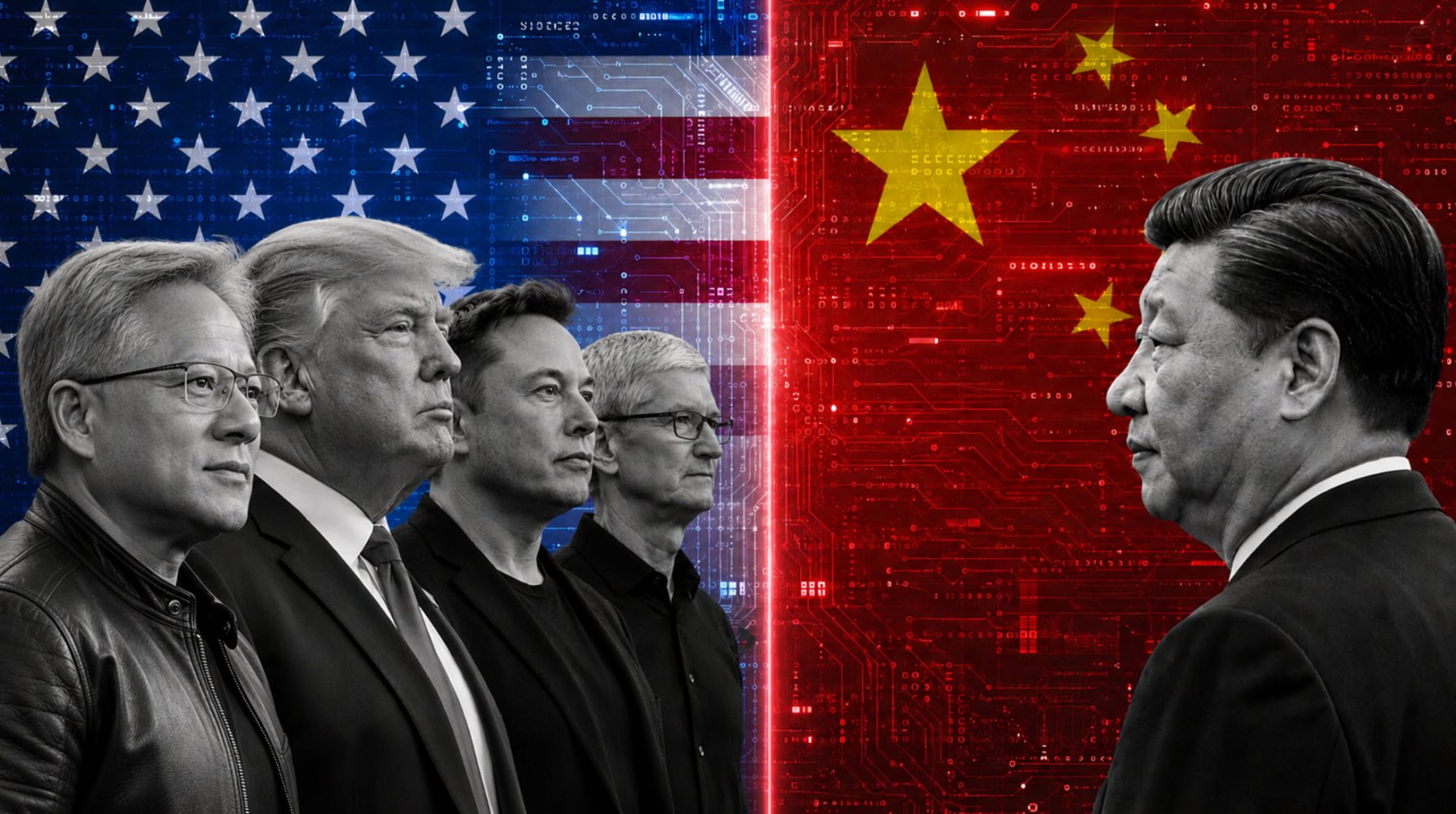
Huang’s visit was a calculated move, sending a message that NVIDIA won’t abandon China but will do so on its own terms. The question is how: through partnerships with Chinese tech giants, localized production, or both? One thing is certain—the stakes are higher than ever. If NVIDIA missteps, it risks losing its edge. But if it executes this balancing act correctly, it could still emerge as the dominant force in AI computing.
The paradox is that NVIDIA’s strength—its reliance on U.S. innovation and Chinese demand—is now its greatest vulnerability. The company must navigate this tension without sacrificing its technological superiority or facing irreparable regulatory backlash. The outcome will shape not just NVIDIA’s future, but the trajectory of AI itself.