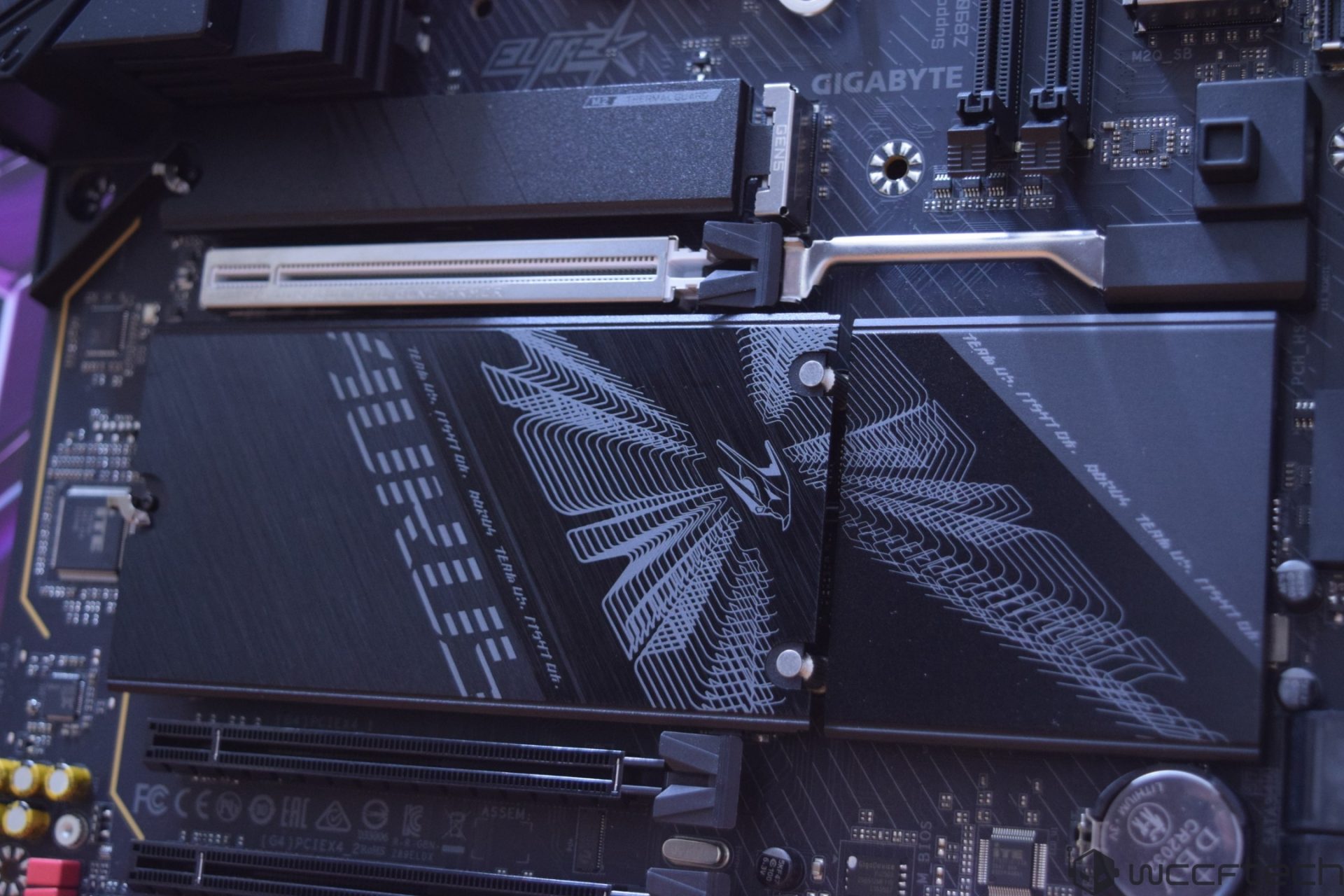
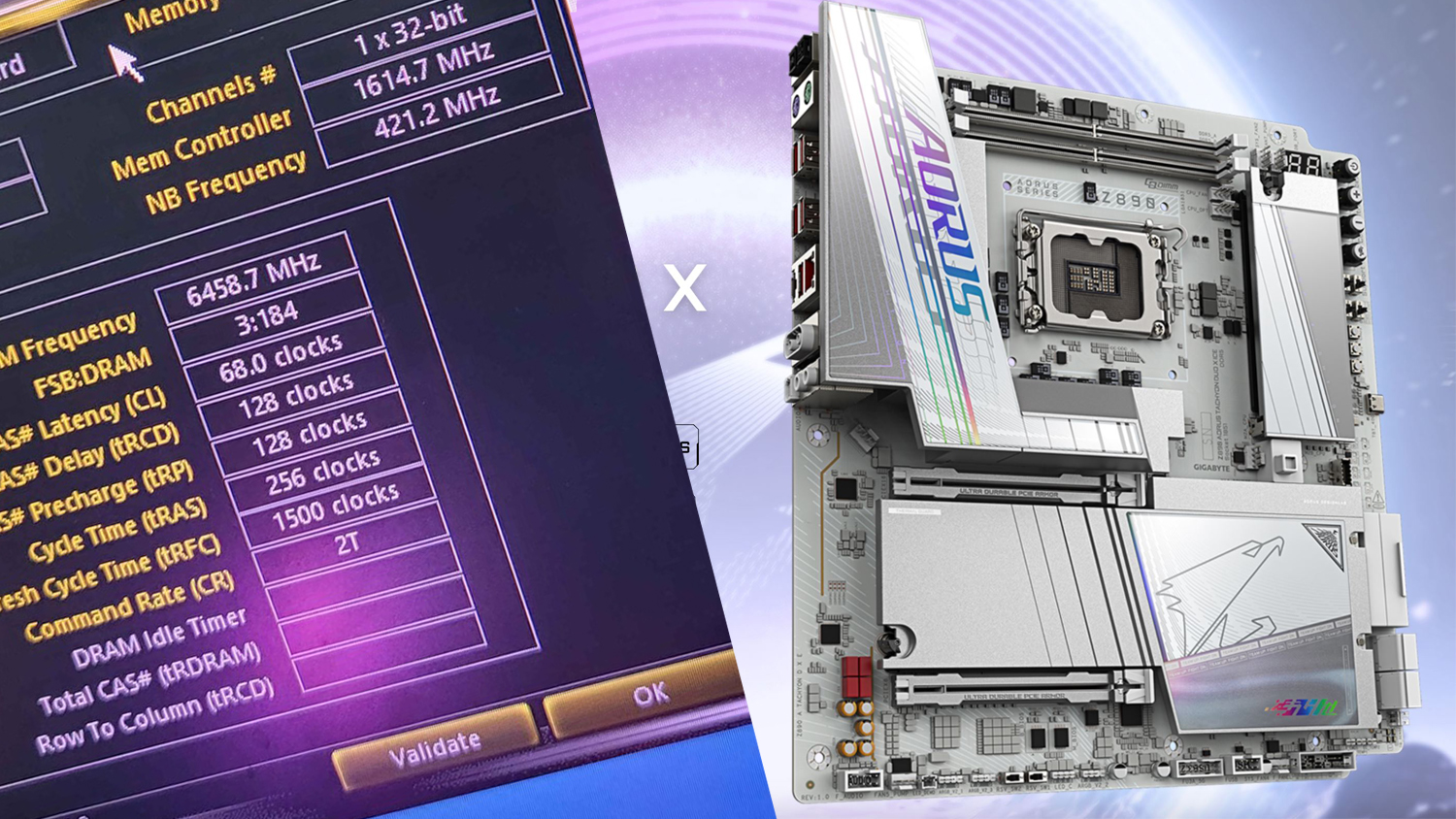
A single overclocking run has pushed DDR5 memory speeds to 12,917 MT/s—far beyond the advertised limits of most kits—using only ambient cooling. The feat was accomplished with a GIGABYTE Z890 AORUS Tachyon DUO X ICE module on an unspecified platform, demonstrating that extreme performance can now be achieved without liquid nitrogen or specialized cooling setups.
This record-breaking speed, confirmed through stable testing, challenges the conventional wisdom around DDR5 overclocking. Traditionally, pushing memory to such high frequencies required elaborate cooling solutions, but this result suggests that ambient conditions may soon be sufficient for even the most demanding workloads. For IT teams evaluating upgrades, the implication is significant: the gap between factory-binned speeds and practical overclocked performance has narrowed dramatically.
Key Details of the Achievement
- Memory module: GIGABYTE Z890 AORUS Tachyon DUO X ICE (DDR5)
- Tested speed: 12,917 MT/s (megatransfers per second)
- Cooling method: Ambient air only (no additional cooling beyond standard case airflow)
- Stability: Confirmed through extended testing without errors
The Z890 AORUS Tachyon DUO X ICE kit is part of GIGABYTE’s high-end memory lineup, designed for enthusiasts and overclockers. While it’s unclear whether this speed will be replicated widely or if it represents an outlier, the result underscores a trend: DDR5 modules are increasingly capable of sustaining extreme speeds without specialized cooling.
Market Implications
For IT teams, this achievement raises questions about compatibility and risk. Most enterprise-grade DDR5 memory is still tuned for stability at lower speeds (typically 4800–6000 MT/s), but consumer overclocking benchmarks like this one suggest that higher frequencies may soon be viable without sacrificing reliability. The challenge lies in balancing performance gains with the need for stable, error-free operation—especially in data center or server environments where memory errors can have cascading effects.
Additionally, this benchmark comes at a time when DDR5 adoption is accelerating across workstations and servers. While 12,917 MT/s may not be practical for most IT deployments today, it signals that the upper limits of DDR5 are still being explored. As memory manufacturers refine their designs, we can expect to see more modules capable of sustaining speeds previously thought impossible without extreme cooling.
What’s Confirmed vs. What’s Unclear
Confirmed: The speed was achieved under ambient conditions and validated for stability. The module used is a commercial product from GIGABYTE, not a custom engineering sample.
Unclear: Whether this performance can be replicated across different motherboard platforms or with other DDR5 kits. It’s also unknown if the same stability will hold at this speed under sustained workloads in data center environments, where thermal conditions and power delivery are more controlled but less forgiving.
A Practical Takeaway
For IT teams considering memory upgrades, the takeaway is simple: the boundary between overclocking and mainstream performance is blurring. While 12,917 MT/s won’t be an option for most deployments today, it’s a reminder that DDR5’s potential is still being mapped out. The focus should remain on modules that offer a balance of speed, stability, and compatibility—especially as more platforms move to Intel’s 14th-generation CPUs, which are likely to push memory demands even higher.
In the short term, teams should prioritize modules with proven stability at speeds up to 6000 MT/s. As DDR5 matures, however, the gap between overclocked benchmarks and practical enterprise use will continue to shrink. This benchmark is a milestone, not a standard, but it sets a new reference point for what’s possible.