In the wake of skyrocketing memory prices, DDR3 motherboards are experiencing a resurgence in the Chinese DIY market, with sales nearly tripling compared to earlier periods. This unexpected uptick underscores the financial strain on consumers as DDR4 and DDR5 memory become increasingly unattainable for many.
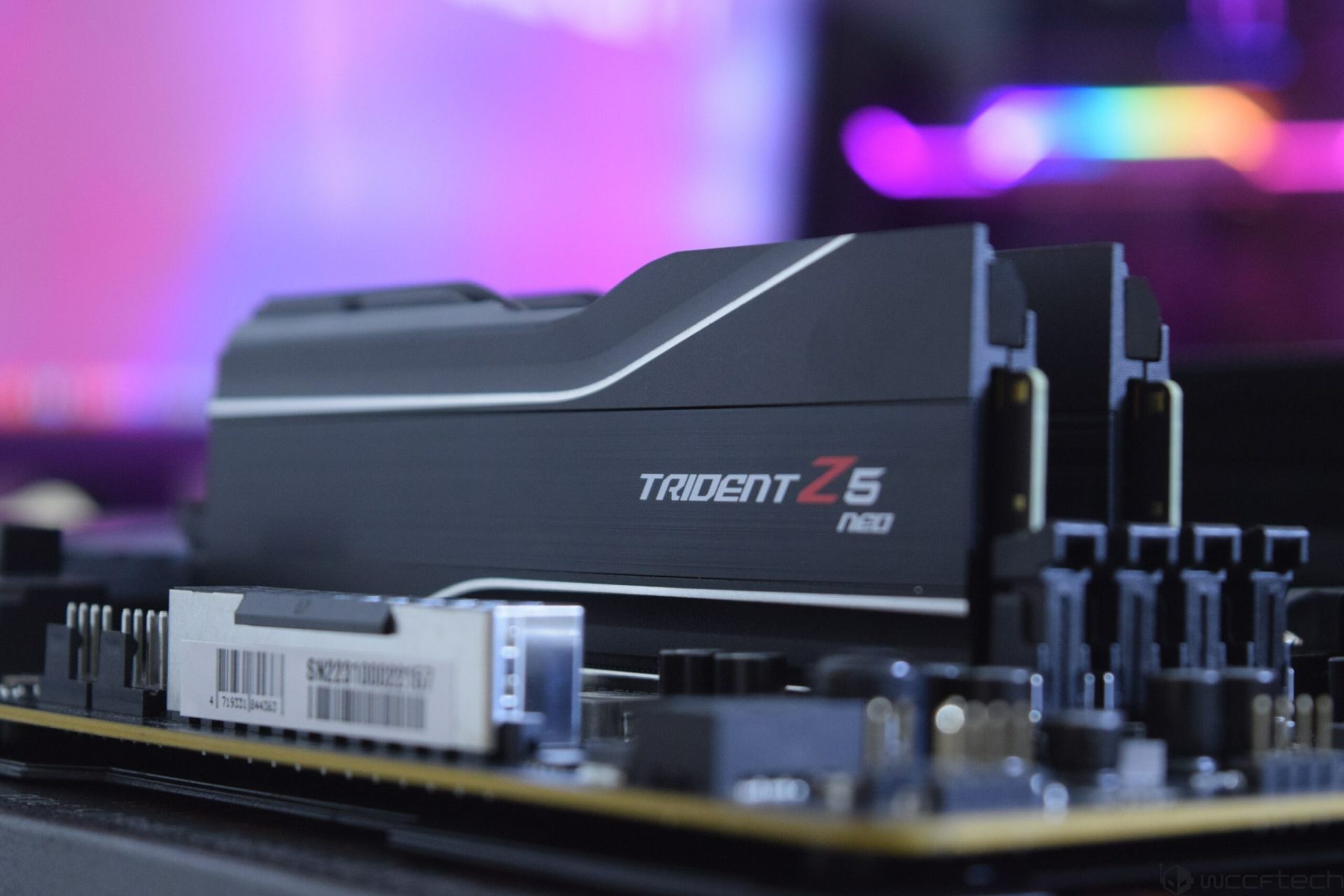
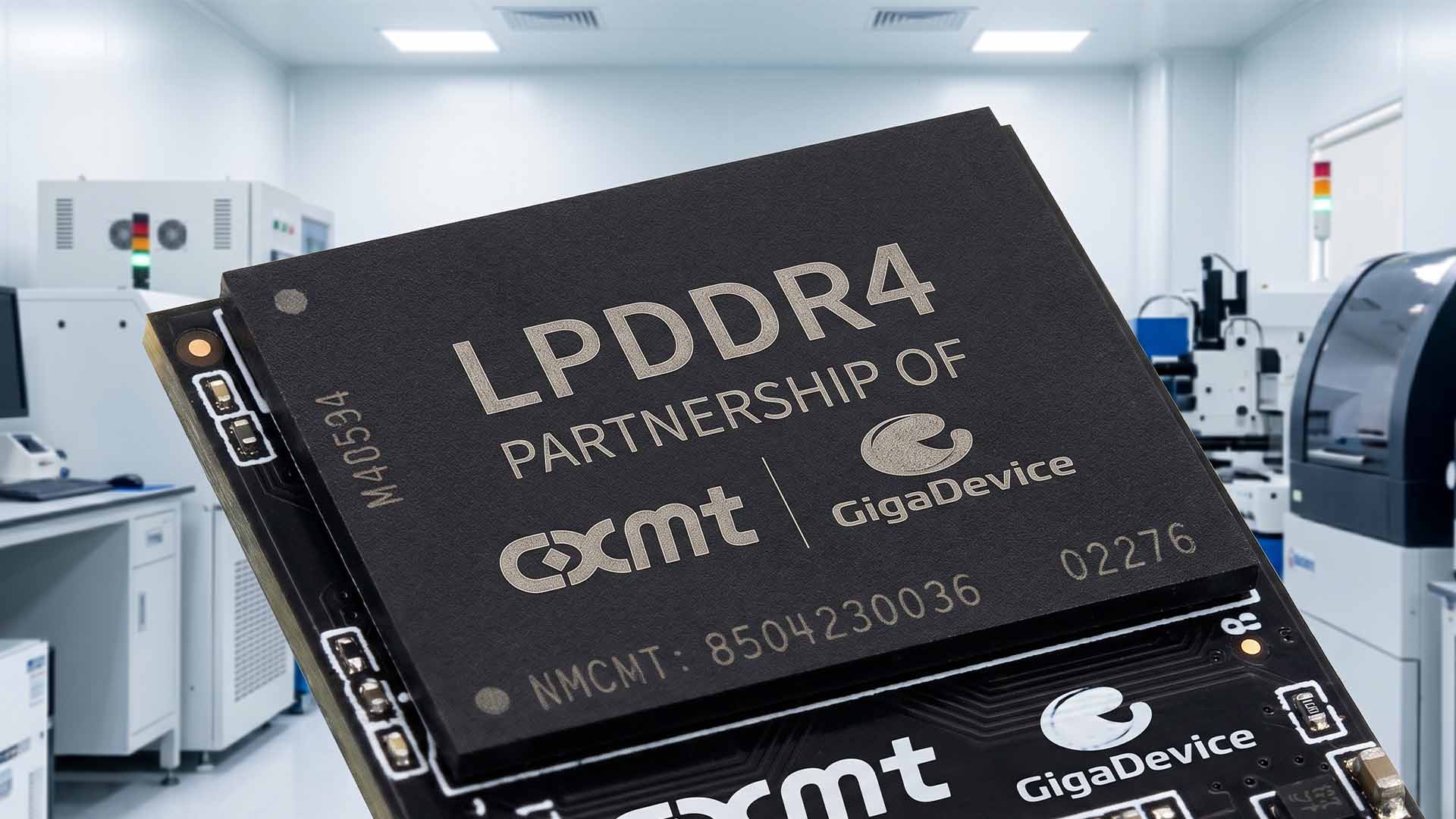
DDR4 memory, which was expected to phase out soon, has seen its spot price climb by nearly 10% in just one week, jumping from $25.407 to $27.857. This rapid inflation is pushing buyers toward older generations of hardware, including DDR3-based systems bundled with 6th to 9th Generation Intel CPUs like the Core i5 6600K.
Why the Shift to Older Hardware?
The surge in DDR3 motherboard sales can be attributed to multiple factors. Supply constraints, exacerbated by AI-driven wafer demand and production slowdowns ahead of the Lunar New Year holidays, have tightened the market. Meanwhile, DDR4, though outperformed by DDR5 in gaming benchmarks, remains a viable alternative for those unable to access newer memory.

Performance Considerations
While DDR3 may lack the speed and efficiency of DDR5, it is not entirely obsolete for gaming. However, its limitations become apparent when paired with modern titles. For instance, systems built around the Core i5 6600K—often bundled with DDR3 motherboards—struggle to meet even minimum system requirements for newer games like Arc Raiders. Such configurations would likely deliver suboptimal frame rates, making them impractical for competitive gaming scenarios.
A Practical Compromise?
For users whose priorities lie outside high-frame-rate gaming—such as strategy or narrative-driven experiences—DDR3-based systems may still offer a functional, albeit outdated, platform. Yet, the economic rationale behind this shift is undeniable: DDR4, when available at reasonable prices, remains the more logical choice for those seeking a balance between performance and affordability.
Looking Ahead
The current memory crisis highlights the fragility of hardware markets when supply chains are disrupted. While DDR3 motherboards provide a temporary solution, industry experts suggest that long-term stability will depend on addressing underlying issues in production and distribution. Until then, consumers may find themselves stuck navigating a landscape where older hardware is the only viable option.