Code Vein II is reimagining teamwork in action RPGs with a partner system that transforms combat into a strategic dance between player and ally. Unlike traditional co-op mechanics, the game’s Link Traits and Partner Trait Bonuses create a symbiotic relationship where allies adapt to the player’s needs in real time. This isn’t just a sidekick—it’s a tactical extension of the protagonist’s abilities, blending defense, offense, and resource management into a cohesive experience.
The system introduces two core combat modes: Summoning, where partners act independently to distract enemies or provide support, and Assimilation, which merges their abilities with the player’s for heightened stats and special attacks. Each partner also contributes to the player’s Ichor pool—a vital resource—through Drain attacks, ensuring sustained combat endurance.
What We Know So Far
- Partners are bound by Link Points (LP), a secondary resource that depletes before HP when damaged, prioritizing survival through tactical positioning.
- Healing overflows beyond max HP restore LP, reinforcing the bond between player and partner.
- Restorative Offering revives the player at critical HP but incapacitates the partner temporarily, with cooldowns increasing and effectiveness diminishing with repeated use.
- Each partner offers unique Link Traits (active abilities tied to LP) and Partner Trait Bonuses (passive stat or skill enhancements).
- Key partners include Lou MagMell (defensive support with elemental resistance buffs), Josée Anjou (high-damage melee with crowd control), and Holly Asturias (long-range ice magic and status-clearing support).
- Early Access for Deluxe, Ultimate, and Collector’s Editions began January 26, 2026, with full release on Xbox Series X|S, PS5, and PC on January 30.
The partner system elevates Code Vein II beyond a solo adventure. Lou MagMell, for instance, doesn’t just heal—she adapts her magic to counter elemental threats while extending buff durations, making her ideal for high-risk areas. Josée Anjou, meanwhile, turns the battlefield into a one-woman wrecking crew, her Unquenchable Flame ability obliterating groups of foes in a single sweep. Meanwhile, Holly Asturias’ Panacea’s Essence clears debuffs mid-combat, ensuring players can focus on offensive play without fear of status effects.
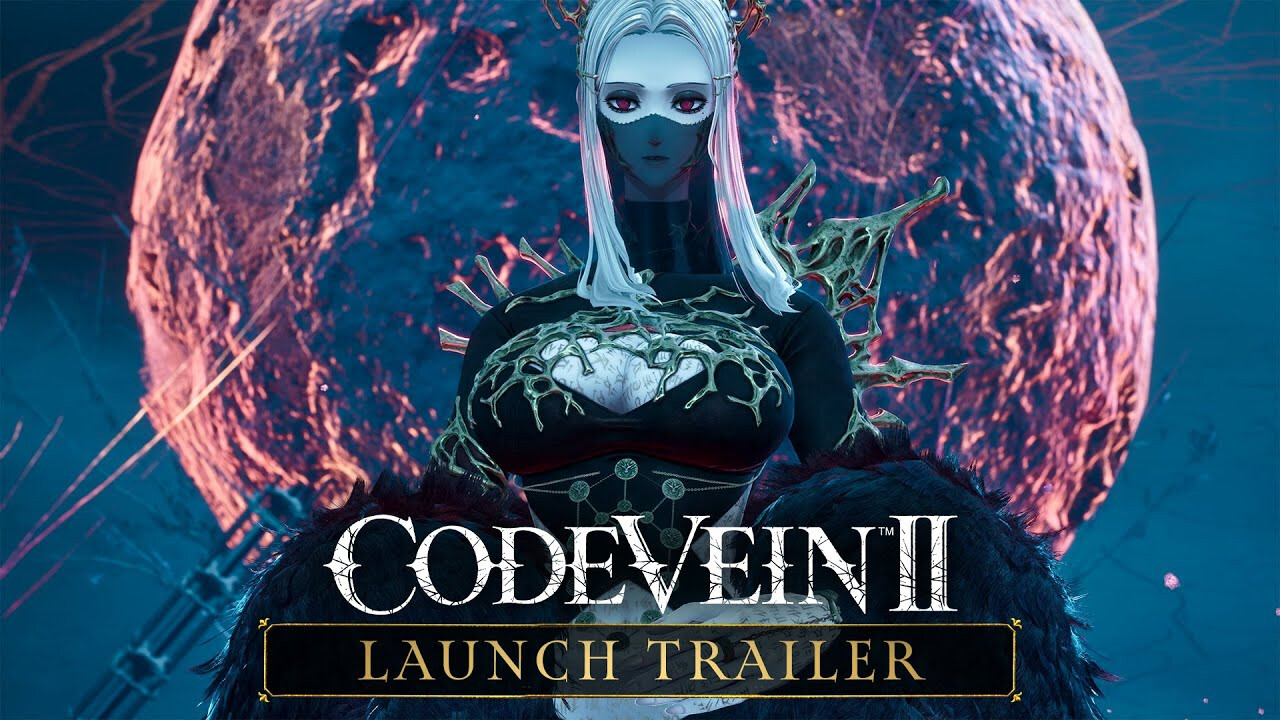
This isn’t just about swapping partners for variety; it’s a deliberate shift toward cooperative synergy. The game’s design ensures that every ally contributes meaningfully to the player’s playstyle, whether through defensive shields, offensive synergy, or resource regeneration. For players accustomed to traditional RPGs, this represents a bold departure—one where the line between player and companion blurs entirely.
The launch arrives amid a broader trend in action RPGs toward deeper companion integration, but Code Vein II distinguishes itself with a system that feels organic rather than grafted on. The January 30 release on multiple platforms signals Bandai Namco’s confidence in this evolution, particularly for players who crave both tactical depth and narrative-driven alliances.