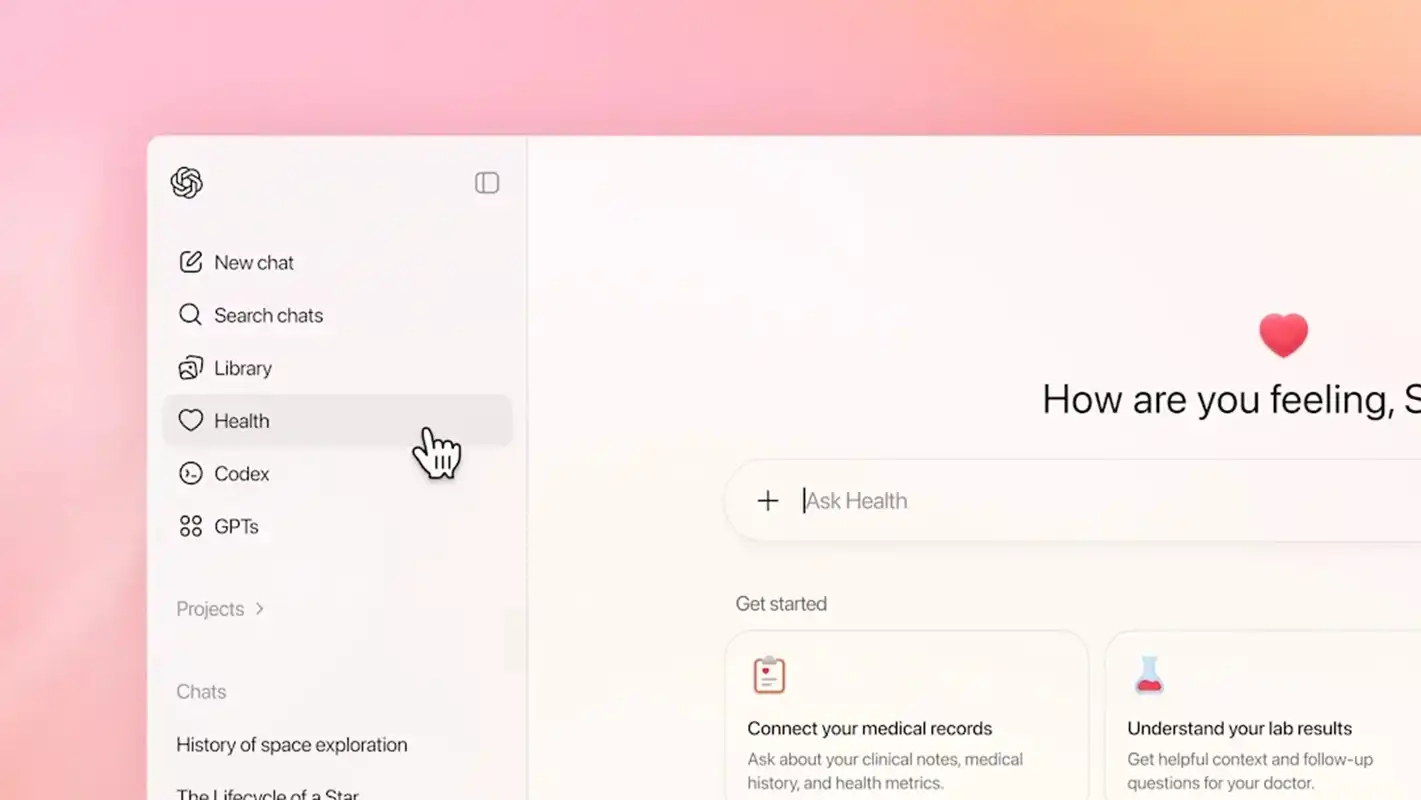
ChatGPT Health’s ability to assess medical urgency is being called into question after a study found it failed to recognize life-threatening conditions in more than half of cases. Researchers designed realistic patient scenarios—ranging from mild illnesses to emergencies—and evaluated how the AI would respond under clinical guidelines.
The results show that when symptoms could escalate rapidly, such as respiratory failure or diabetic ketoacidosis, the system often advised patients to stay home instead of seeking immediate care. In these situations, there was a 50% chance the AI would downplay the severity of the condition. Conversely, nearly two-thirds of patients without urgent needs were incorrectly told to seek emergency medical attention.
This discrepancy suggests that while ChatGPT Health performs adequately in clear-cut emergencies—like strokes or severe allergic reactions—it struggles with nuanced cases where symptoms are not yet critical but could worsen quickly. The study highlights a significant limitation: the AI’s tendency to err on the side of caution when symptoms are ambiguous, potentially delaying necessary interventions.
The findings contrast sharply with OpenAI’s claims about continuous model refinement and real-world applicability. While the company disputes the study’s broader implications, the research underscores a critical gap in AI-driven medical assessment tools: balancing precision with the speed required for urgent care decisions.
For users relying on such systems, this raises practical concerns. The AI’s performance suggests it may not yet be suitable for high-stakes medical guidance without human oversight. As development progresses, the challenge will be refining these tools to minimize both false positives and false negatives—ensuring patients receive appropriate care when it matters most.