The Call of Duty series is entering uncharted territory, abandoning support for PlayStation 4 and Xbox One in favor of an exclusive focus on next-gen systems. This strategic move, confirmed by the franchise's development team, marks a decisive break from its long-standing multi-platform approach. Starting with the 2026 release, every future Call of Duty game will require next-generation hardware, ensuring that players experience the full scope of modern gaming technology.
At a glance:
- The series will no longer support PlayStation 4 or Xbox One, effectively ending last-gen compatibility for good.
- All future Call of Duty games, beginning in 2026, will be designed exclusively for next-generation consoles like the PlayStation 5 and Xbox Series X|S.
- This shift prioritizes cutting-edge graphics, processing power, and gameplay innovations that were previously constrained by older hardware.
- Players on last-gen systems will miss out entirely on new entries in the franchise, with no backward compatibility or remastered versions planned.
This decision reflects a growing industry trend where developers prioritize next-gen hardware to push creative boundaries. For Call of Duty, this means leveraging the full potential of modern consoles—higher frame rates, more detailed environments, and advanced AI-driven features—to deliver an experience that was once thought impossible on last-gen systems. The move also aligns with Activision's broader strategy to position its franchises at the forefront of gaming innovation.
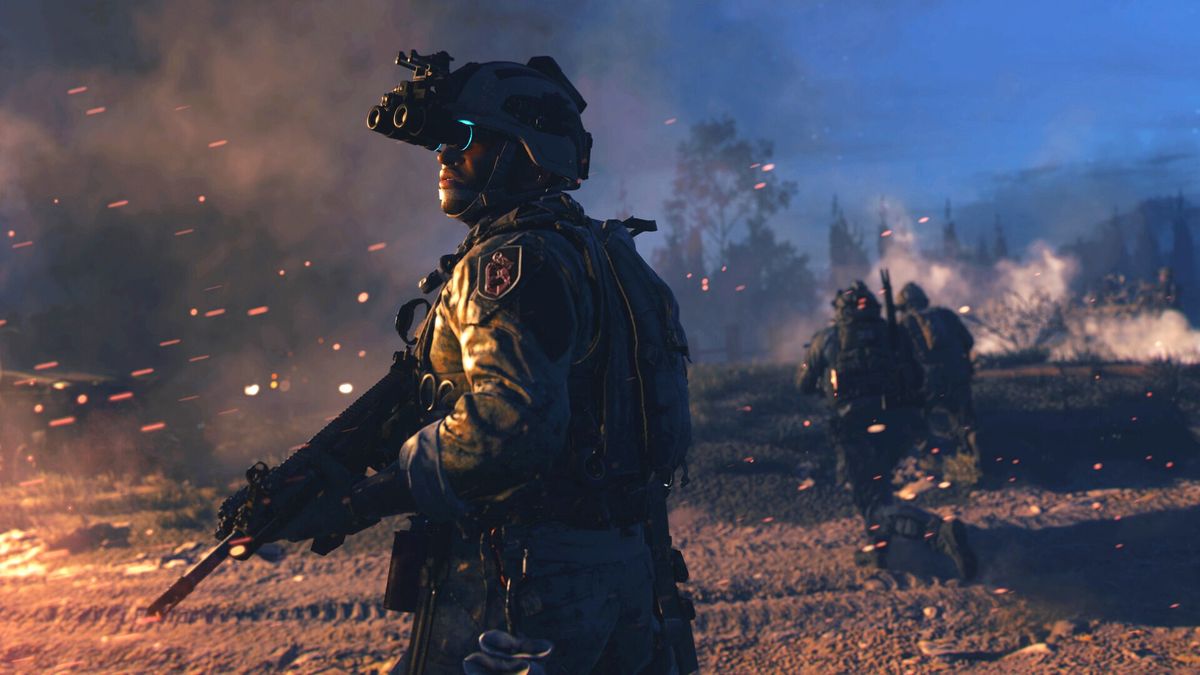
For developers, this transition represents both a challenge and an opportunity. Designing for next-gen hardware demands a rethinking of how games are built—from asset optimization to physics engines—but it also allows for experimentation that was previously out of reach. The upcoming 2026 title will be the first to fully embrace this new direction, though specific details about its design remain under wraps. What is clear is that Call of Duty will no longer be constrained by the limitations of older systems, freeing creators to innovate without compromise.
The shift raises practical questions for players. Those who have yet to upgrade to next-gen hardware may find themselves on the outside looking in, with no guarantee of future support. However, the focus on newer systems ensures that those who do invest will enjoy a level of performance and graphical fidelity that redefines what is possible in first-person shooters. The franchise's legacy has always been built on pushing boundaries, and this move cements its commitment to staying ahead of the curve.
As Call of Duty enters this new era, one thing is certain: the series will no longer be held back by the past. With last-gen support officially behind it, the stage is set for a future where innovation is the only limitation—and players who embrace next-gen hardware will be the ones to experience it firsthand.