When Bethesda first set out to design *Fallout 3*, the studio’s creative team fixated on Washington, D.C., as the perfect canvas for a post-apocalyptic world. The city’s mix of historic monuments and crumbling infrastructure provided a stark contrast—one that could highlight both the grandeur of the past and the chaos of the present. But beneath the streets lay an even greater opportunity: a fully realized Metro system, sprawling and interconnected, capable of adding layers of mystery to the open world.
Early concept art and internal documents suggest the team initially envisioned a Metro that wasn’t just functional but *alive*—a network of tunnels where players could lose themselves in the dark, emerging in forgotten stations or stumbling upon hidden factions. The idea was ambitious, but it quickly became clear that translating this vision into gameplay would require an unprecedented amount of content. Miles of repetitive corridors, while immersive in theory, risked feeling like a chore rather than an adventure. The Metro, in its original form, threatened to overwhelm the game’s core appeal: a world that felt vast yet navigable, where every choice mattered.
The turning point came during late-stage design reviews, where the team weighed the technical demands against the player experience. A fully connected Metro would have demanded not just additional art assets and level design but also a system to balance exploration without sacrificing pacing. The solution? Trim the scope. Instead of an endless underground labyrinth, the Metro became a series of distinct, thematically rich stations and tunnels—each with its own purpose, whether as a hideout, a battleground, or a narrative checkpoint.
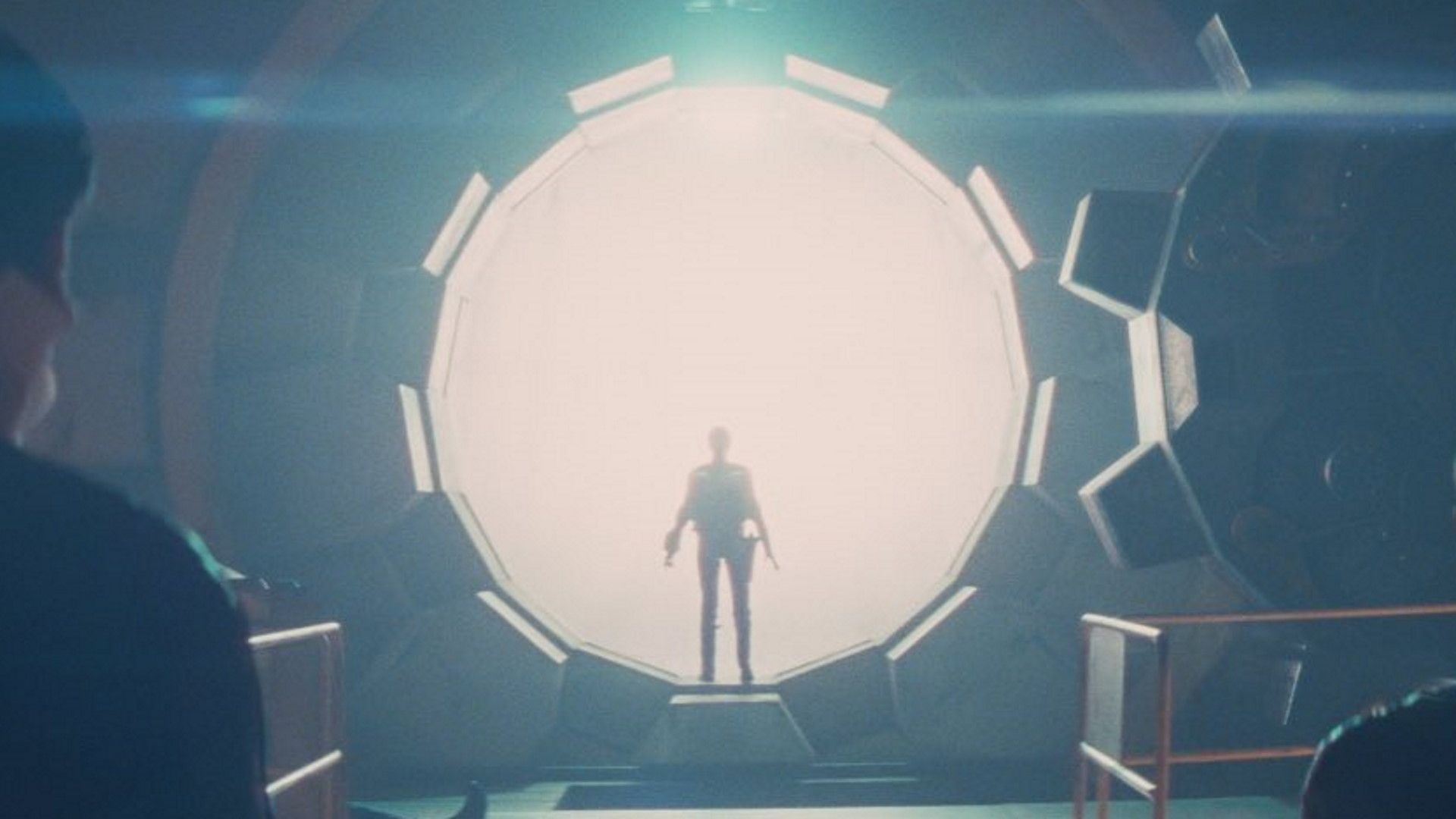
This wasn’t just a technical compromise; it was a philosophical one. Bethesda recognized that *Fallout*’s strength lay in its ability to surprise players with moments of discovery, not in drowning them in content. The Metro’s reduced role ensured that underground encounters felt like rare, memorable experiences rather than a mandatory detour. Stations like the Vault Dweller’s hideout or the Brotherhood’s bunker became focal points, reinforcing the game’s themes of survival and adaptation without sacrificing the open world’s sense of freedom.
The decision to scale back the Metro also reflected a broader trend in Bethesda’s approach to open-world design. Rather than filling every inch of the map with gameplay, the studio prioritized quality over quantity—ensuring that every environment, whether above or below ground, contributed meaningfully to the player’s journey. In the end, the Metro didn’t disappear; it evolved into something more intentional. The underground became a tool for storytelling, a place where the weight of the apocalypse could be felt most acutely—without the risk of losing the player in the process.