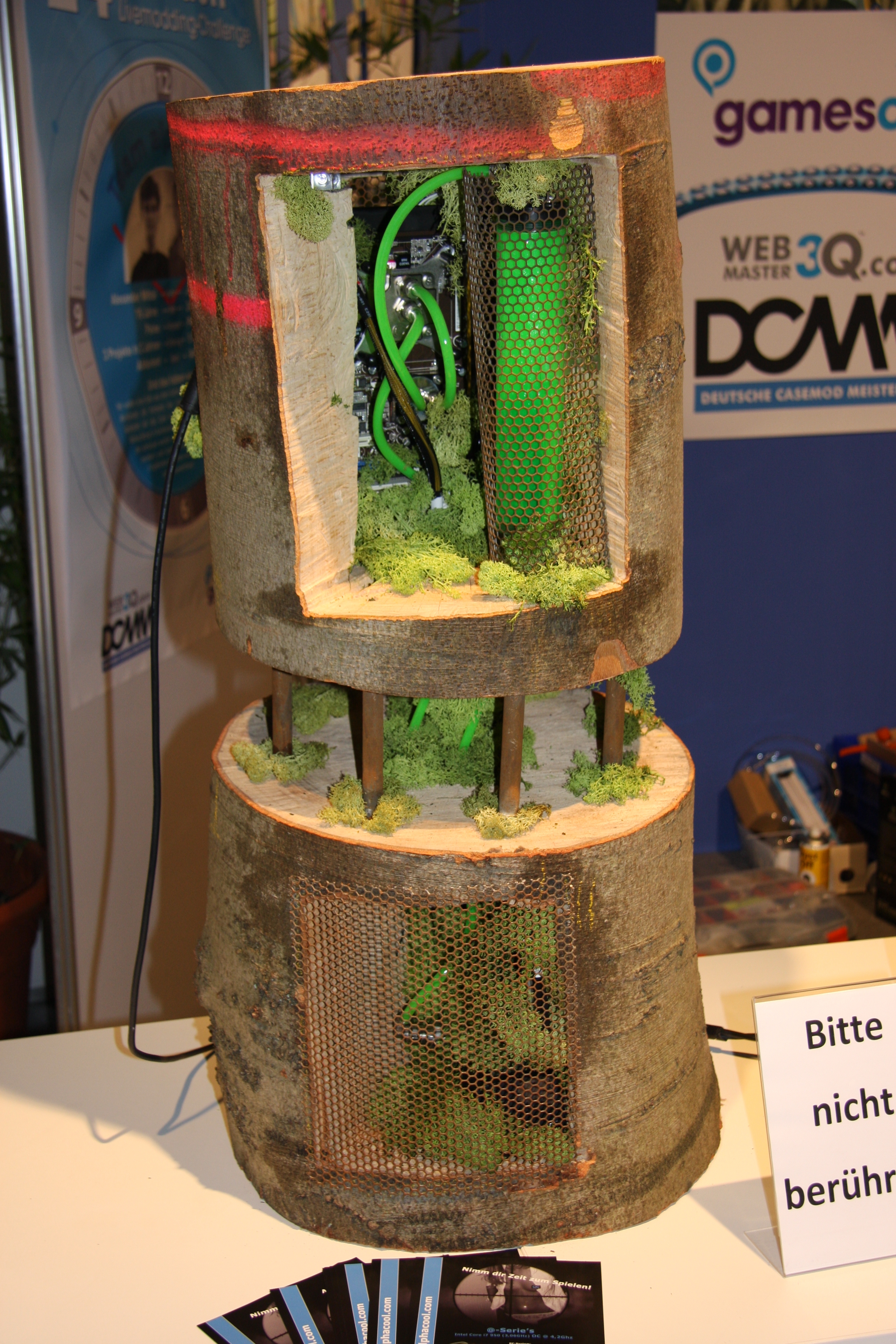
At the heart of ASUS’s success lies a sophisticated understanding of thermal management – a critical component often overlooked when evaluating laptop performance. The company's engineers aren't simply focused on dissipating heat; they’re actively shaping it, integrating innovative solutions that optimize both cooling effectiveness and overall system efficiency. This proactive approach is evident across their range, from high-performance gaming laptops to premium productivity models.
The development of advanced thermal systems isn’t a solitary endeavor. It's the result of meticulous collaboration between hardware engineers, software developers, and industrial designers – all working in concert to achieve a harmonious balance. A key element is recognizing that laptop cooling isn’t just about the heat sink; it's an intricate ecosystem encompassing airflow management, thermal paste application, and intelligent fan control algorithms.
Understanding the Core Challenges
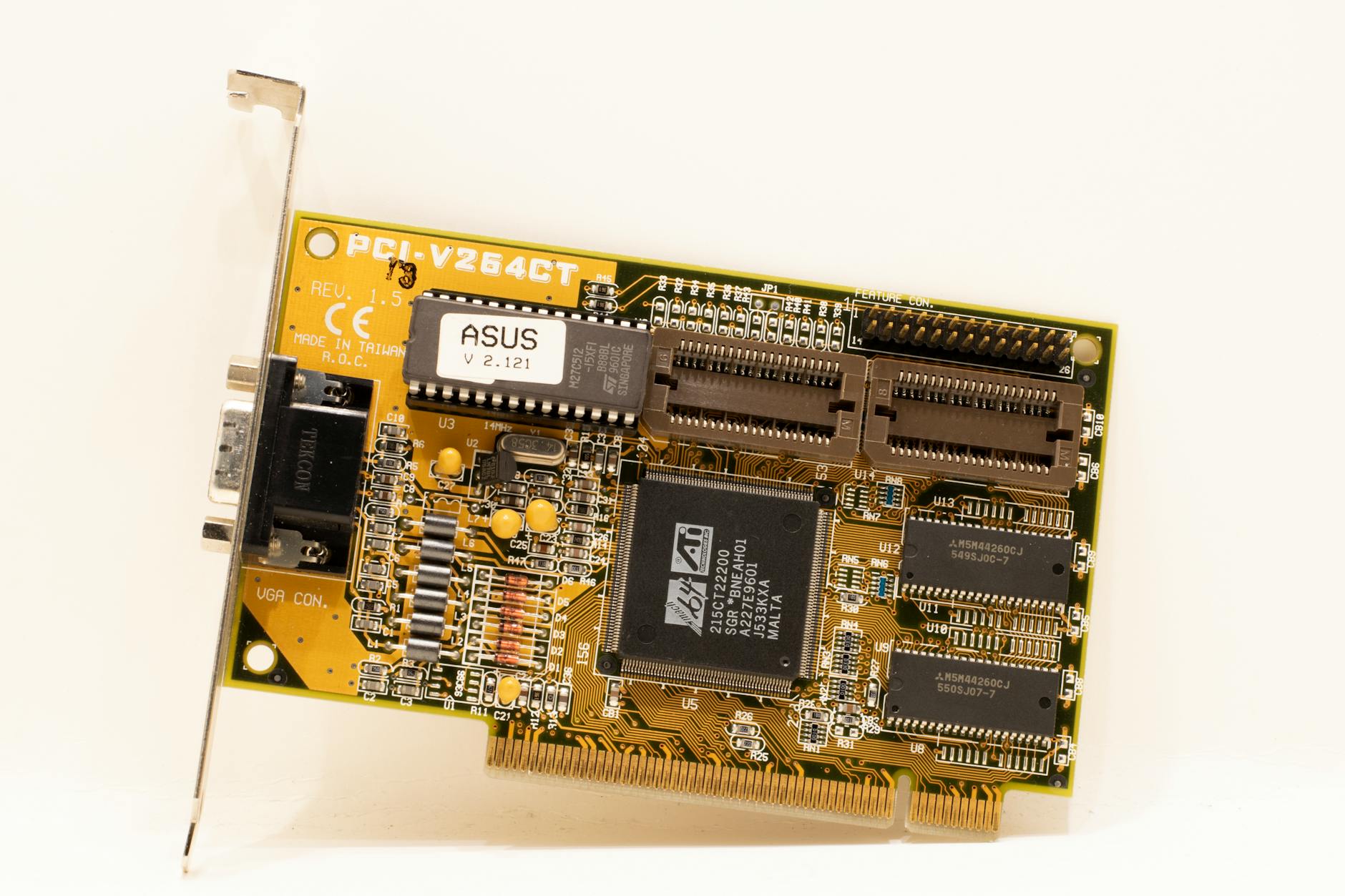
Modern laptops face increasingly demanding thermal challenges. Powerful processors, dedicated graphics cards, and high-resolution displays generate significant amounts of heat. Traditional cooling solutions often struggle to keep pace with this escalating demand, leading to performance throttling – a phenomenon where the system automatically reduces its speed to prevent overheating. ASUS’s strategy directly addresses this issue through several key areas.
- Advanced Heat Pipe Design: The foundation of any effective cooling solution is heat dissipation. ASUS utilizes meticulously engineered heat pipes, often employing multiple layers and strategically placed channels, to rapidly transfer heat away from critical components – the CPU and GPU primarily – towards the base of the heatsink.
- Innovative Heatsink Architecture: The design of the heatsink itself is paramount. ASUS employs a variety of techniques including fin density optimization, surface area maximization, and airflow channeling to maximize heat transfer efficiency. They’re constantly experimenting with new materials and geometries to achieve superior thermal performance.
- Dynamic Fan Control: Intelligent fan control algorithms are crucial for maintaining optimal temperatures while minimizing noise levels. ASUS employs sophisticated software that monitors component temperatures in real-time and adjusts fan speed accordingly, ensuring a balance between cooling effectiveness and user comfort.
- Thermal Interface Material (TIM) Optimization: The thermal paste between the heat source and heatsink plays a vital role in transferring heat. ASUS carefully selects and applies TIMs with exceptional thermal conductivity to minimize thermal resistance.
Foldable Laptop Innovation – A Thermal Test Case
ASUS’s commitment to innovation is exemplified by projects like the foldable laptop showcased at CES 2022. The development of a device with a flexible display presented unique thermal challenges, requiring entirely new approaches to cooling design. Maintaining consistent performance across both folded and unfolded states demanded exceptional precision in heat management.
The team faced the complex task of integrating a robust cooling system into a compact form factor. This necessitated a highly optimized heatsink design, potentially utilizing vapor chamber technology or advanced liquid metal solutions to efficiently dissipate heat from the flexible display and processing components. The challenge wasn't just about cooling; it was about maintaining thermal stability under dynamic bending and unfolding stresses – a feat of engineering that underscores ASUS’s capabilities.
Beyond Traditional Cooling: Exploring Emerging Technologies
ASUS isn’t resting on its laurels. They are actively exploring emerging technologies to further enhance their cooling solutions. This includes
- Vapor Chamber Technology: Vapor chambers offer significantly improved heat transfer rates compared to traditional heat pipes, particularly in confined spaces. ASUS is incorporating vapor chamber technology into select models to deliver exceptional cooling performance under heavy workloads.
- Liquid Metal Thermal Paste: Liquid metal thermal pastes boast superior thermal conductivity compared to conventional pastes, allowing for even more efficient heat transfer.
- Microchannel Heat Sinks: Microchannel heat sinks maximize surface area contact with the components, promoting rapid heat dissipation.
- Advanced Airflow Management: ASUS is continually refining their airflow management techniques, including optimized vent placement and internal channel design, to ensure maximum airflow throughout the laptop chassis.
Teamwork and Design Philosophy
A critical element of ASUS’s success in thermal engineering isn't just about technology; it's also about fostering a collaborative work environment. The team operates with a strong emphasis on open communication, knowledge sharing, and iterative design. This approach allows them to quickly identify and address potential issues, leading to more robust and effective cooling solutions.
ASUS’s design philosophy centers around delivering both high performance and user experience. They strive to create laptops that not only perform exceptionally well under demanding workloads but also remain cool and quiet during everyday use. This commitment to holistic design is what sets them apart in the competitive laptop market.
Looking Ahead: The Future of Laptop Cooling
ASUS’s ongoing investment in thermal engineering suggests a continued focus on innovation within the laptop industry. As processors and graphics cards continue to become more powerful, the demand for efficient cooling solutions will only increase. ASUS is well-positioned to lead the way, driving advancements in heat dissipation technology and setting new standards for laptop performance.
The company’s dedication to research and development, combined with its collaborative approach and commitment to user experience, ensures that ASUS laptops will remain at the forefront of thermal innovation for years to come. Their work represents a significant contribution to the broader evolution of computing technology.