ASUS’s commitment to innovation isn't solely driven by research and development teams; it’s fundamentally rooted in a robust, highly structured process of prototyping. This approach recognizes that translating abstract ideas into functional products requires an iterative cycle of design, physical creation, rigorous testing, and continuous refinement. The company’s prototype lab serves as the vital nexus where these activities converge, ensuring that every product ultimately meets ASUS's exacting standards for performance, aesthetics, and user experience.
Understanding the Prototype Lifecycle
The creation of an ASUS prototype is far more than simply building a scaled-down version. It’s a comprehensive undertaking involving numerous specialists – industrial designers, electrical engineers, mechanical engineers, materials scientists, and software developers – all working in concert. The initial phase often begins with conceptual sketches or 3D models generated through sophisticated CAD (Computer-Aided Design) software. These digital representations then become the basis for physical mockups, typically constructed using rapid prototyping techniques such as 3D printing, CNC machining, and traditional fabrication methods.
The Importance of Physical Validation
While computer simulations provide valuable insights into a product’s behavior, they can never fully replicate the complexities of real-world interaction. Physical prototypes allow engineers to assess ergonomics, identify potential design flaws, evaluate material performance under stress, and fine-tune functionality in a controlled environment. This hands-on approach is crucial for uncovering issues that might not be apparent through purely digital analysis.
Collaborations: A Strategic Imperative
ASUS actively fosters strategic collaborations with leading design firms to augment its internal capabilities and bring diverse perspectives to the prototyping process. One notable example is the ongoing partnership with BMW Designworks Group, a renowned global design consultancy. These collaborations often focus on pushing the boundaries of aesthetics and industrial design, leveraging BMW’s expertise in automotive design principles to inform ASUS's product development.
The ROG Face Off: A Case Study
A particularly compelling example of this collaborative approach is seen within the ROG (Republic of Gamers) division. The annual ‘ROG Face Off’ competition, in which ASUS teams compete against BMW Designworks Group and other design partners, exemplifies this commitment. This event isn't just about showcasing innovative designs; it’s a rigorous process of testing and refinement that drives significant improvements across ROG product lines – from gaming laptops to peripherals.
Inside the Prototype Lab: A Look at the Technology
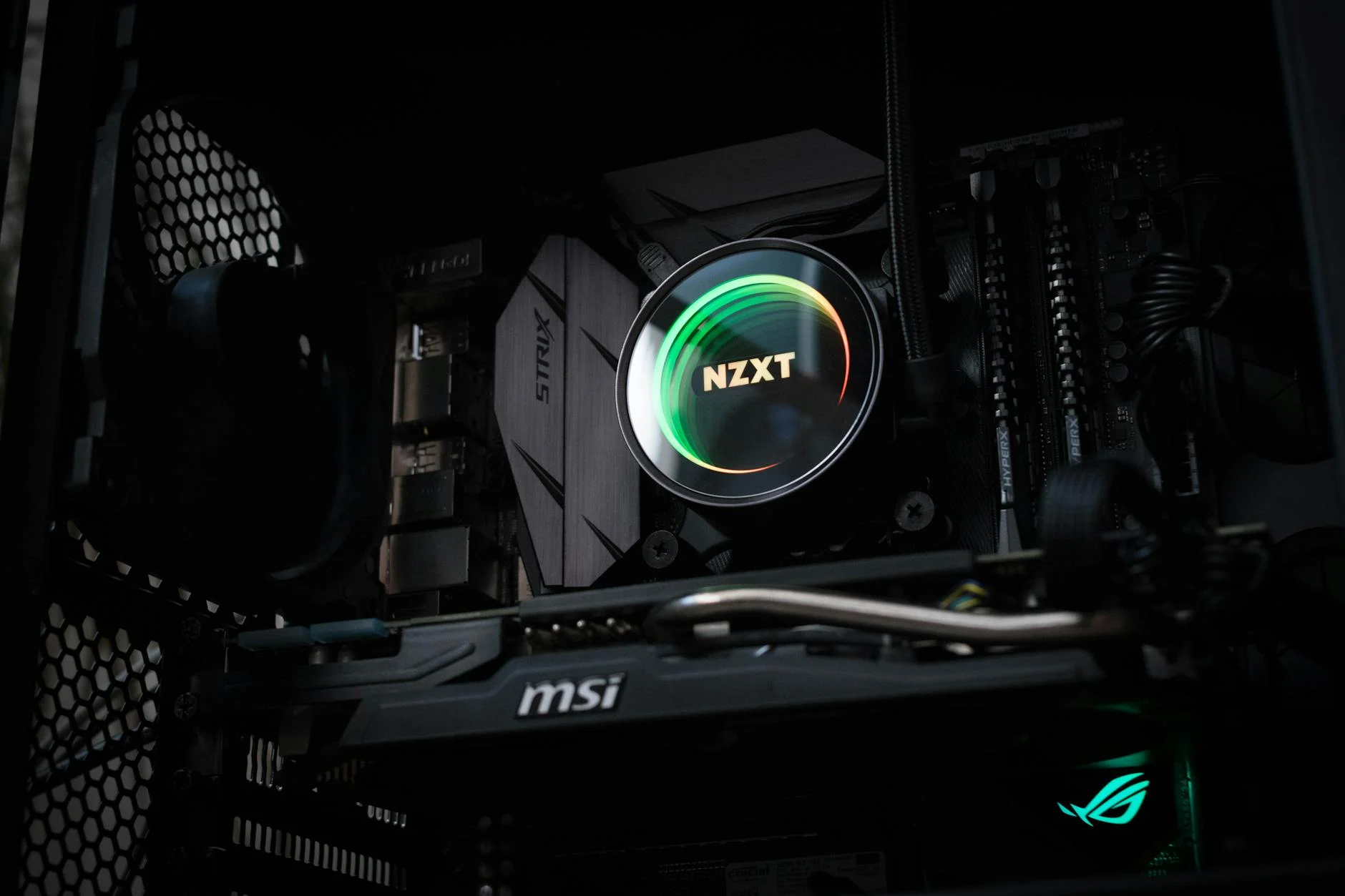
ASUS’s prototype lab is equipped with an impressive array of technology, reflecting the diverse range of materials and manufacturing techniques employed. Key equipment includes
- 3D Printing Systems: Various 3D printing technologies – including stereolithography (SLA), fused deposition modeling (FDM), and selective laser sintering (SLS) – are utilized to create prototypes in a wide range of materials, from plastics and resins to metals.
- CNC Machining Centers: These computer-controlled machines precisely cut and shape materials like aluminum, steel, and composites with exceptional accuracy.
- Rapid Injection Molding Tools: For producing larger quantities of plastic prototypes, ASUS employs rapid injection molding tools – allowing for the creation of functional parts quickly and cost-effectively.
- Electronics Prototyping Equipment: The lab is also equipped with state-of-the-art electronics prototyping equipment, including oscilloscopes, signal generators, and microcontrollers, enabling engineers to test and validate electronic circuits and systems.
- Materials Testing Facilities: Dedicated facilities are available for evaluating the mechanical properties of materials under various conditions – crucial for ensuring product durability and performance.
Beyond Aesthetics: Functionality and Performance
While aesthetics undoubtedly play a role in ASUS’s prototyping process, functionality and performance are paramount. Prototypes undergo extensive testing to evaluate thermal management, power consumption, noise levels, and overall system stability. Data collected during these tests informs design modifications and helps optimize product performance before mass production.
The Role of Simulation & Validation
ASUS integrates simulation software throughout the prototyping process. Finite element analysis (FEA) is routinely used to model structural behavior, while computational fluid dynamics (CFD) simulates airflow and heat transfer. These tools complement physical testing by providing predictive insights into product performance under various conditions.
Looking Ahead: A Focus on Sustainable Prototyping
ASUS is increasingly focused on incorporating sustainable practices into its prototyping operations. This includes utilizing eco-friendly materials, minimizing waste generation, and exploring innovative recycling methods. The company's commitment to responsible innovation extends beyond product design to encompass the entire lifecycle of its products.
Resources & Further Information
For more information on ASUS’s technology development initiatives, please visit the