For professionals demanding both speed and reliability in AI-driven workflows, the latest ASUS workstation represents a bold step forward—though with notable caveats. The system leverages a custom CPU-GPU architecture paired with dedicated AI acceleration hardware, promising significant gains for tasks like real-time rendering and data processing. However, its thermal design power (TDP) of 250 watts per chip raises questions about whether the cooling solution can prevent performance degradation during extended use.
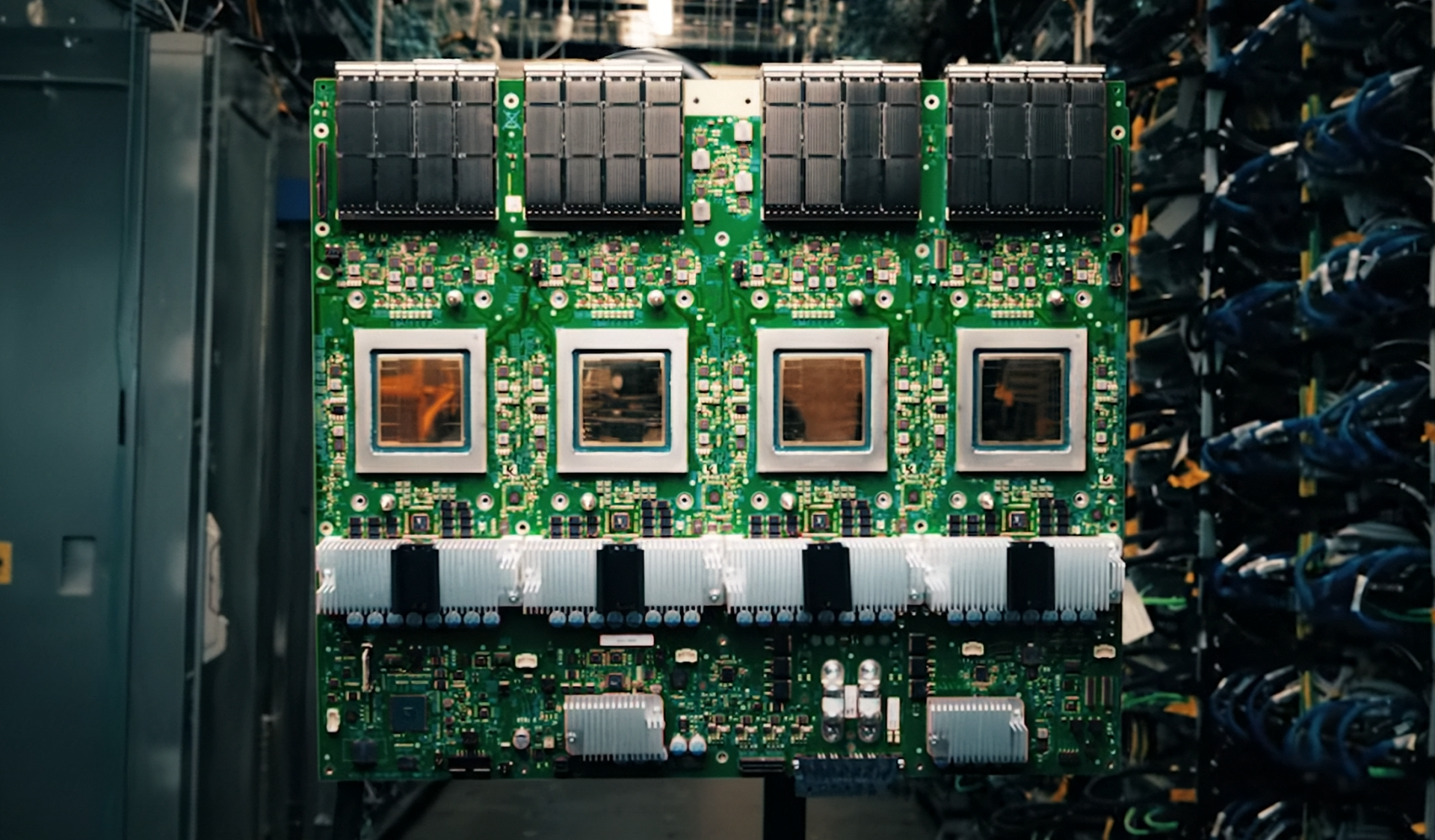
The workstation’s core components include a specialized AI processor with 16 GB of HBM3 memory clocked at 5.4 GHz, alongside a GPU featuring 8,192 CUDA cores and 24 GB GDDR6 memory. These specs position it as a formidable tool for high-end creators, but the challenge lies in maintaining stability under prolonged workloads. ASUS’s vapor chamber-based liquid cooling system is designed to keep noise levels below 20 decibels at idle and under 35 decibels during peak loads, though real-world testing will determine its effectiveness in preventing thermal throttling.

Performance vs. Thermal Constraints
- AI Acceleration: The dedicated AI processor is optimized for tasks requiring low-latency processing, such as video editing and 3D modeling, while the GPU handles more traditional compute workloads with efficiency.
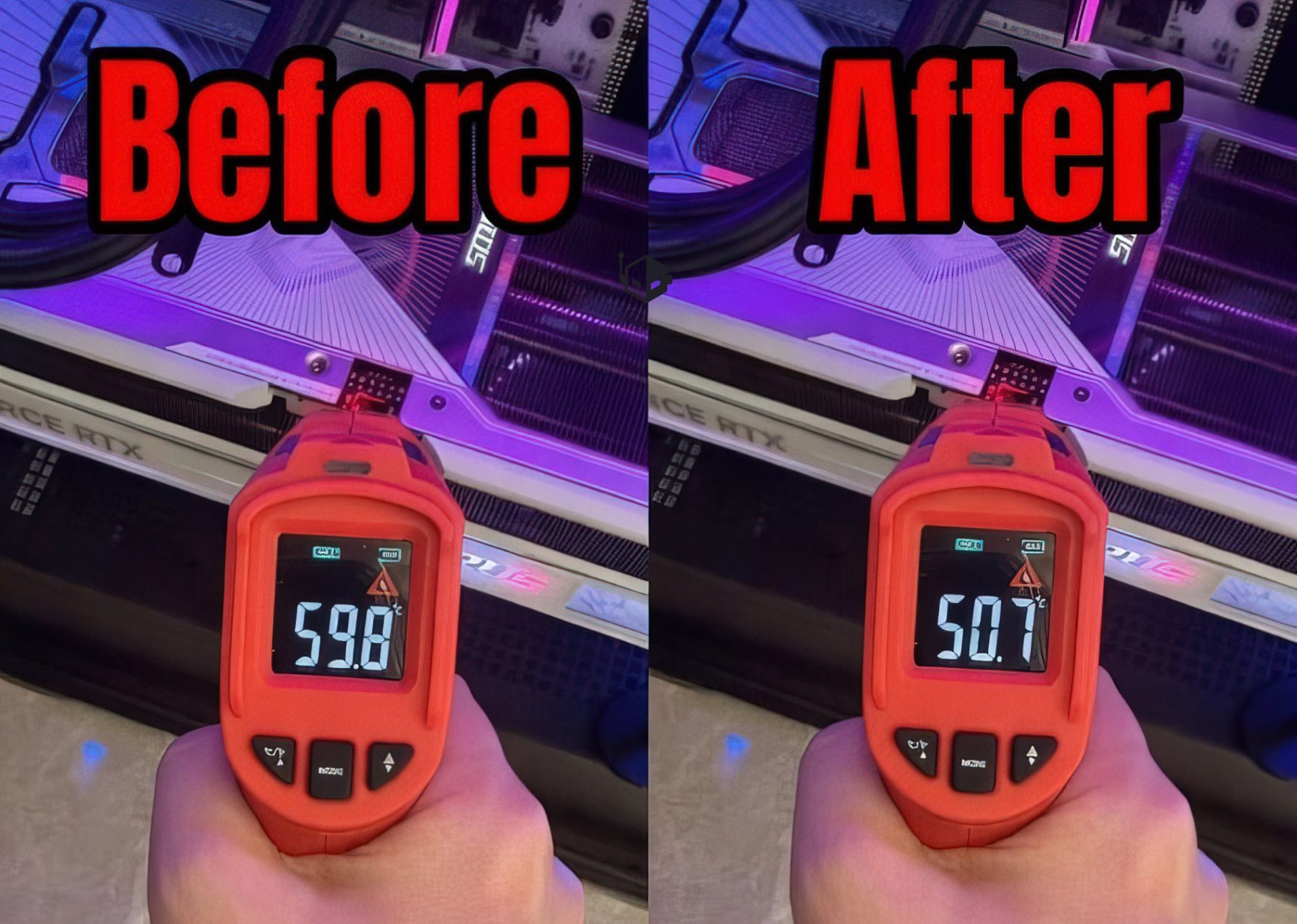
- Cooling System: A dual-vapor chamber design integrates into the chassis to improve heat dissipation, but its ability to handle sustained high loads remains unproven without independent validation.
- Storage and Connectivity: The platform supports six M.2 slots (four PCIe 4.0, two PCIe 5.0), allowing for up to 8 TB of NVMe storage, along with dual 10 Gbps Ethernet ports and a Thunderbolt 4 connection for high-speed data transfer.
Users in fields like AI-driven animation or scientific computing may see substantial benefits from this workstation’s performance, but the premium price—starting at $4,999—could limit its appeal to those whose workflows aren’t heavily reliant on AI acceleration. The system is expected to go on preorder in late June, with general availability set for July 15.
Will It Redefine Workstation Standards?
The true test for this workstation will be its ability to deliver consistent performance without thermal degradation. If ASUS can successfully manage heat output, it could set a new benchmark for AI-powered workstations. However, if sustained workloads lead to throttling or instability, it may struggle to justify its position in a competitive market where cooling efficiency is increasingly critical. For now, the promise of power remains overshadowed by the challenge of maintaining that power over time.