The landscape of high-performance GPU connectivity has entered a period of heightened scrutiny following persistent reports of cable melting incidents involving top-tier graphics cards such as the RTX 5090. Asus, recognizing both the problem and an opportunity, has announced the ROG Equalizer—a device intended to address this specific vulnerability in power delivery systems. While the technical details are still emerging, the core premise is clear: prevent overheating at the cable-connector junction before it escalates into material failure.
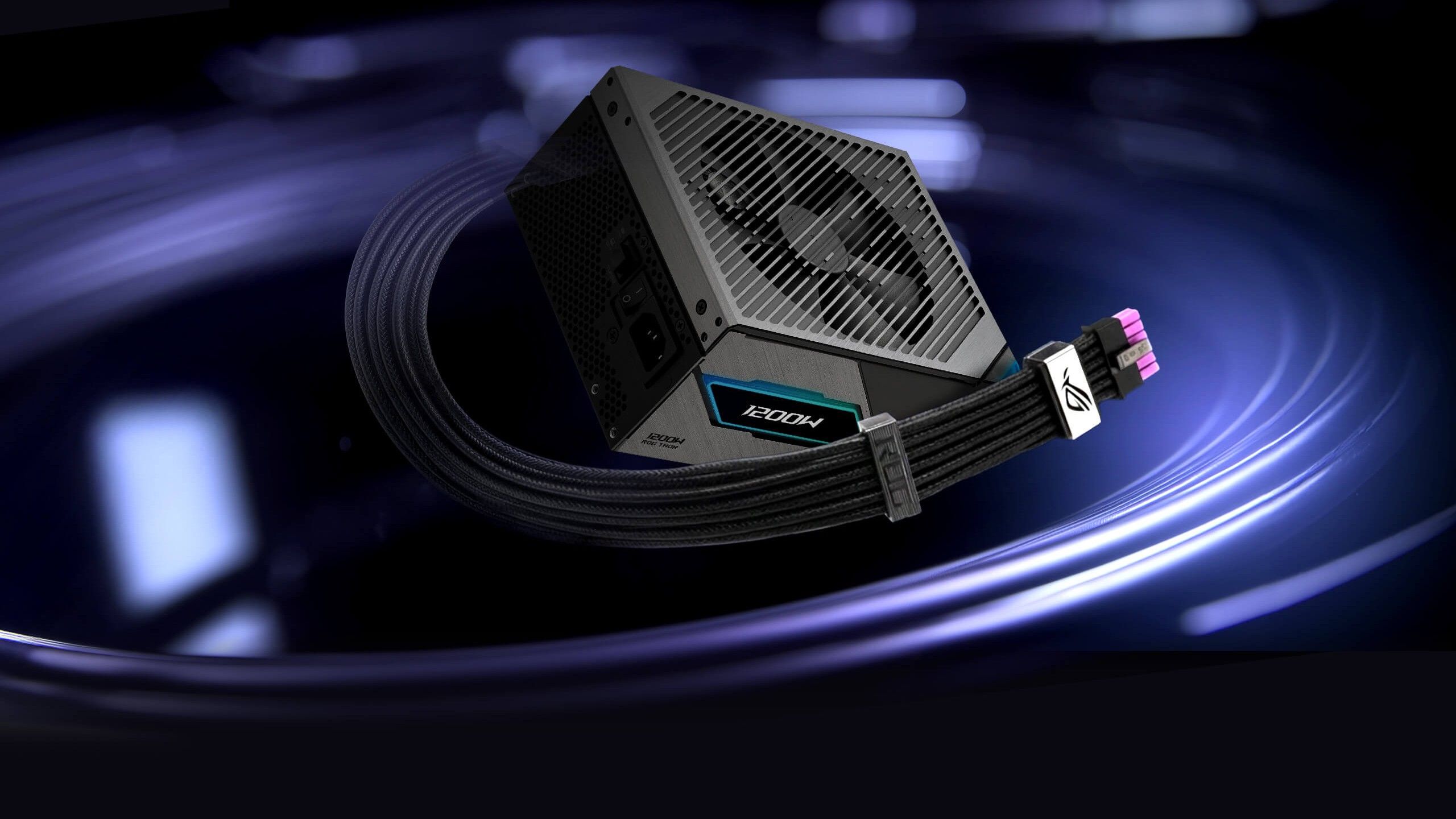
The ROG Equalizer operates as a secondary interface between the GPU and its power supply cables. Its design incorporates active thermal management to dissipate heat that builds up when high-wattage GPUs draw sustained loads, particularly during intensive workloads like AI training or real-time ray tracing. This is not merely an accessory but a reimagining of how GPUs interact with their power infrastructure. The device is expected to be compatible with PCIe 5.0 and newer slot designs, suggesting it may become a standard component for next-generation systems.
Key Specifications
- Power Delivery: Supports up to 12VHPWR (12V + 12V) connectors with active current balancing.
- Thermal Management: Integrated heat sink with copper base plate and dual-fan cooling system.
- Compatibility: PCIe 5.0 slot, 300W+ GPUs including RTX 5090, AMD RDNA 4, and future high-TDP models.
- Build Quality: Military-grade connector pins with nickel-plated coating for corrosion resistance.
The Equalizer’s most notable feature is its ability to monitor and redistribute power more efficiently than traditional connectors. This could potentially reduce the thermal stress that leads to cable insulation degradation—a problem that has plagued high-end GPUs since the introduction of 12V silicon. However, whether this translates into real-world durability remains an open question. Early adopters may find themselves in a position where they must weigh the immediate benefits against long-term reliability.
Comparative Perspective
When placed alongside existing solutions—such as reinforced cables from manufacturers like CableMod or custom power delivery setups—the ROG Equalizer stands out for its integration with the GPU itself rather than acting as an aftermarket add-on. This shift could redefine how OEMs approach power connectivity in future hardware, moving away from passive designs toward actively managed systems. For creators and professionals who rely on high-end GPUs for workloads like AI model rendering or 3D simulation, this development could offer a path to more stable and long-lasting setups.
What Remains Unclear
The effectiveness of the Equalizer will ultimately depend on two factors: how well it performs under sustained loads and whether it becomes a widely adopted standard. While Asus’s claims suggest significant improvements, independent testing will be necessary to confirm its impact on cable longevity. Additionally, the ecosystem around this technology is still in its infancy, meaning that support for third-party cables or future GPU designs may not yet be fully established.
For now, the ROG Equalizer represents a cautious step toward addressing one of the most persistent pain points in high-performance computing: the fragility of power delivery systems. If it succeeds, it could pave the way for more resilient hardware architectures. If not, the industry may continue to grapple with the consequences of pushing power limits without proportional design safeguards.