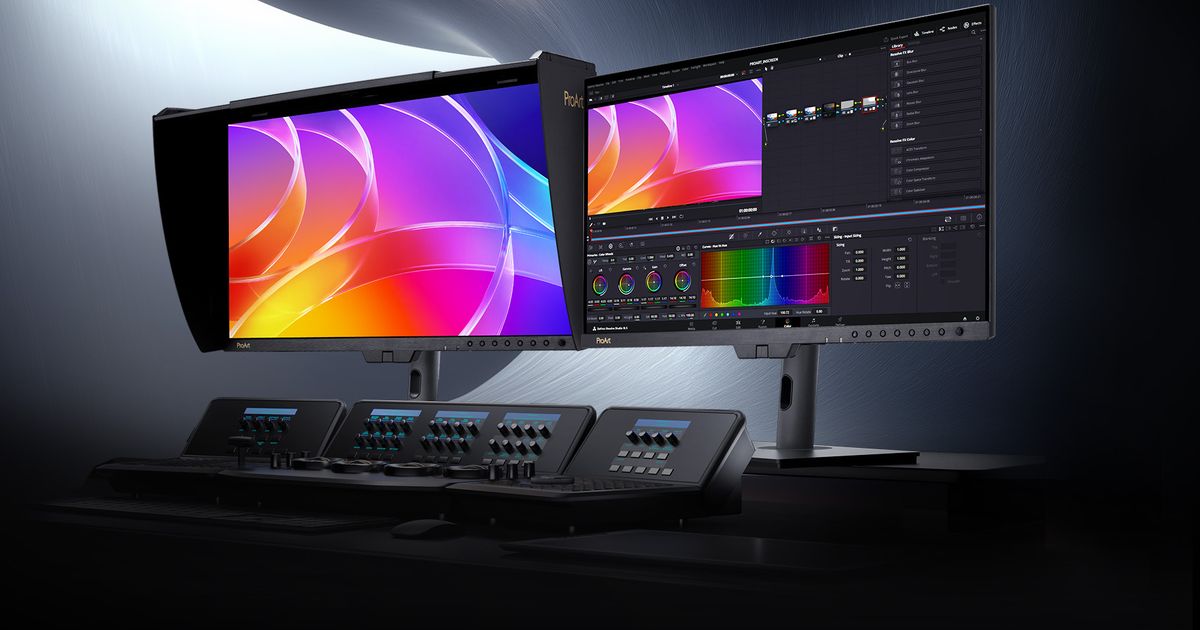
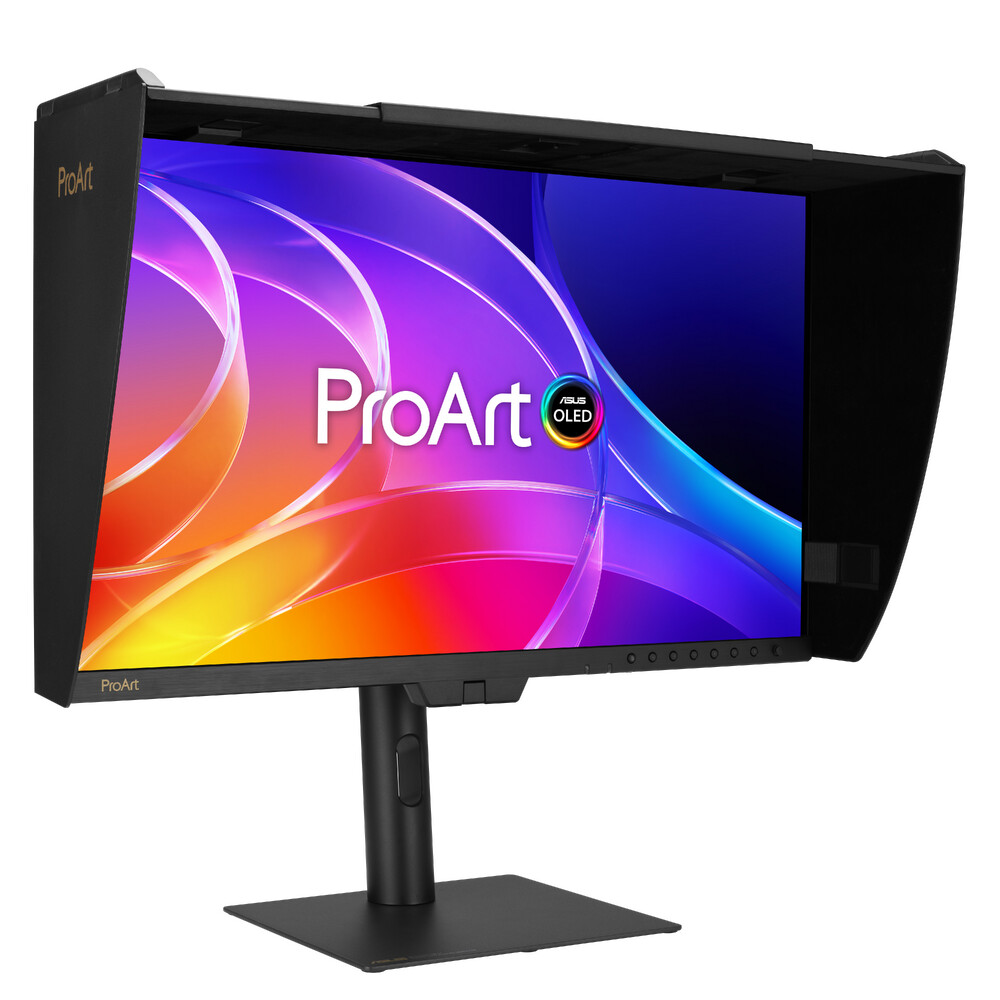
ASUS has expanded its ProArt lineup with new hardware and software solutions aimed at professionals in video production, photography, and graphic design. The latest additions focus on end-to-end content creation, addressing gaps in current workflows while leveraging partnerships with industry leaders to enhance real-world utility.
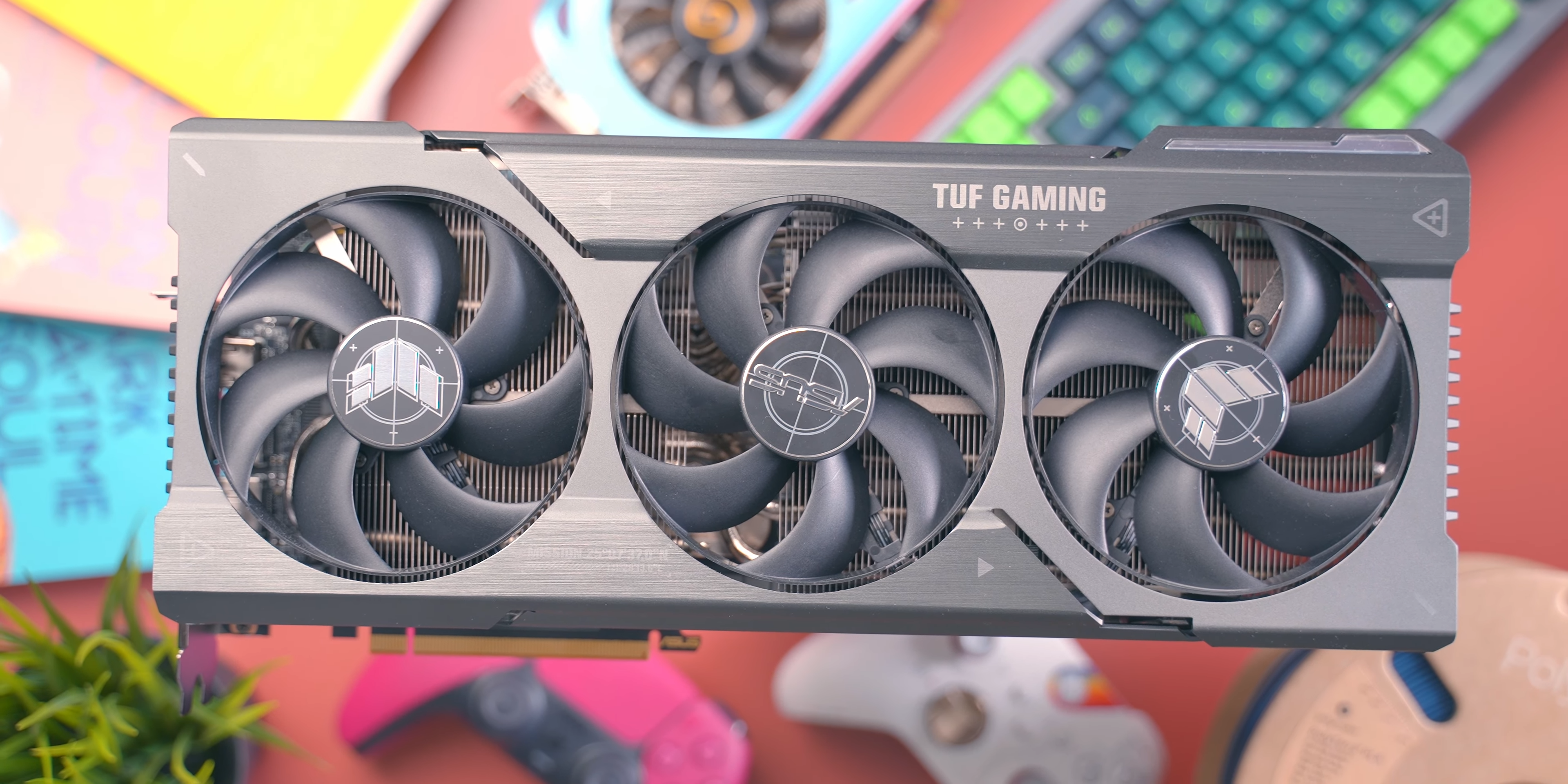
The new ProArt series components include high-performance GPUs optimized for rendering and color accuracy, alongside specialized software that integrates seamlessly with existing production pipelines. These tools are designed to reduce latency between capture and editing, a longstanding pain point in professional workflows.
Key improvements center on hardware-software synergy. For example, the new ProArt graphics cards feature dedicated AI acceleration for real-time color grading, while companion software provides non-destructive editing capabilities. This dual approach aims to eliminate bottlenecks that traditionally slow down post-production processes.
A notable shift is the emphasis on interoperability with third-party applications and plugins. Unlike previous iterations that often siloed workflows within proprietary ecosystems, the ProArt series now prioritizes open standards. Developers can expect broader compatibility with industry-standard software, reducing the need for workflow adjustments when integrating new hardware.
Pricing remains a critical consideration. The ProArt components are positioned as premium offerings, with GPUs starting at $1,200 for the entry-level model and scaling up to $3,500 for configurations targeting high-end studios. Availability is expected in Q4, though exact dates depend on partner readiness.
For developers, the most significant value lies in the reduced need for custom driver development. ASUS has committed to open SDKs that allow third-party tools to leverage ProArt’s hardware capabilities without extensive re-engineering. This could accelerate adoption across niche software providers who previously faced integration challenges with high-end graphics solutions.
The series also introduces a modular cooling system designed for long-duration renders, addressing thermal throttling issues common in sustained workloads. While initial benchmarks show performance gains of up to 15% in rendering tasks compared to previous generations, real-world impact will depend on how effectively these improvements translate to complex project files.
Industry partnerships play a pivotal role. Collaborations with software vendors and media companies ensure that the hardware aligns with emerging production standards. However, the lack of detailed roadmaps for future updates leaves some uncertainty about long-term support, particularly for developers relying on rapid iteration cycles.
Looking ahead, the ProArt series signals a move toward more cohesive professional production ecosystems. While early feedback suggests strong potential, the true test will be how well these tools integrate into existing studio environments without disrupting established workflows. For now, the focus remains on delivering tangible improvements in speed and accuracy—areas where professionals have long sought innovation.