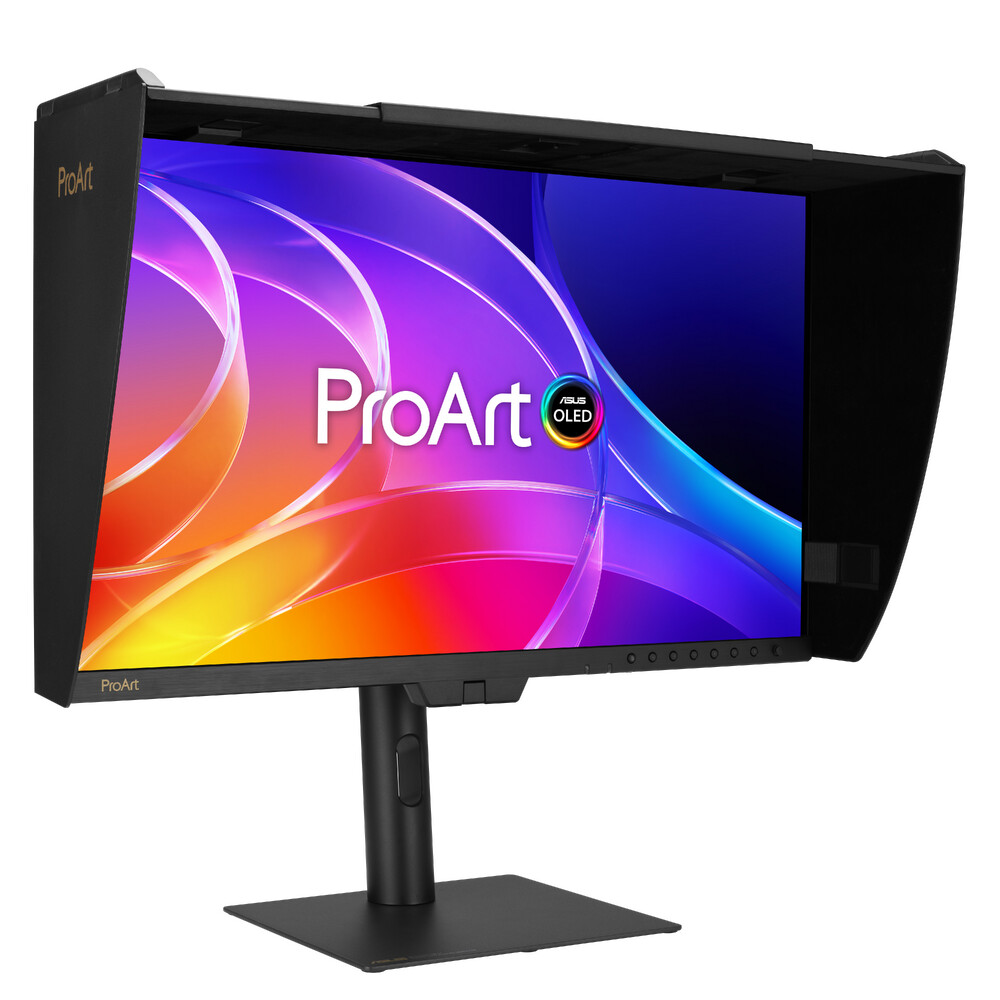
ASUS has introduced two new ProArt monitors that push the boundaries of professional display technology, combining QD-OLED panels with 4K resolution to deliver a significant leap in visual fidelity for creative workflows.
The 27-inch PA27USD and 32-inch PA32USD models feature peak brightness levels reaching 1000 nits and support for HDR10, making them suitable for tasks that demand both precision and dynamic range. These monitors also include a 144 Hz refresh rate, which is particularly beneficial for video editing and animation work where smooth playback and real-time previews are critical.
While QD-OLED technology is known for its deep blacks and vibrant colors, these new models add practical features that cater specifically to professional users. For instance, the built-in KVM switch allows multiple devices to share a single display setup without the need for additional hardware. Additionally, the monitors support 1000R color gamut coverage, which is essential for accurate color grading and proofing.
However, the lack of USB-C connectivity in these models might be a drawback for users who rely heavily on Thunderbolt or USB-C docking solutions. This omission could limit their appeal to those who prioritize versatility in connectivity over pure display performance.
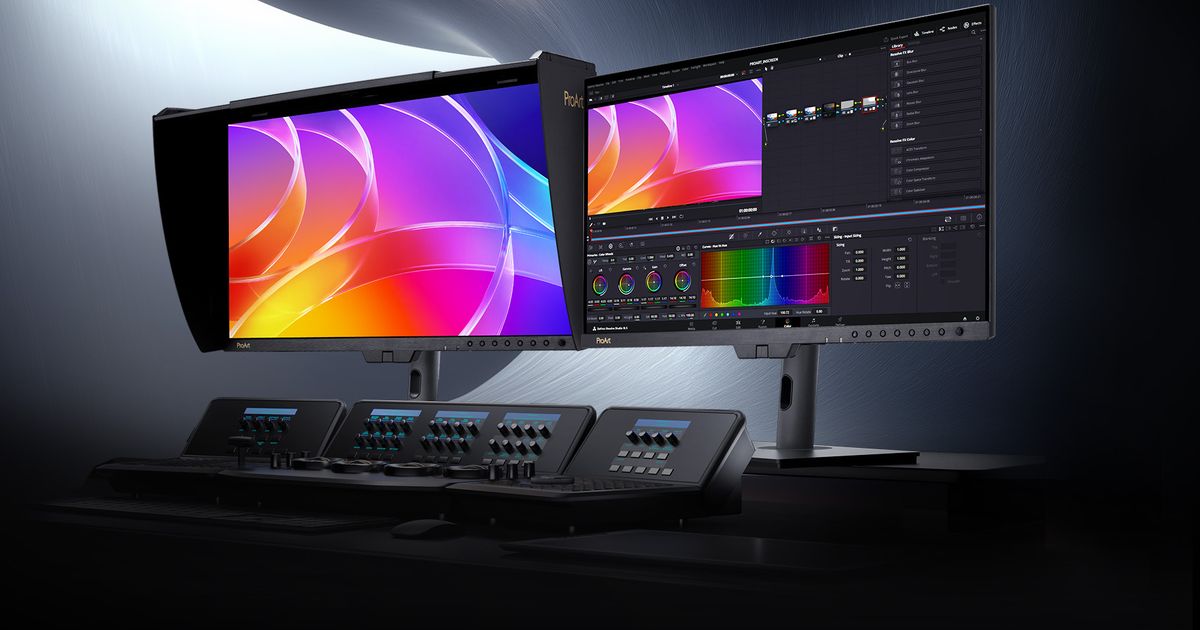
The ASUS ProArt OLED monitors are designed to address the growing demand for high-performance displays that can handle both static and dynamic content with equal precision. For professionals working in fields like video production, 3D animation, or graphic design, these monitors offer a compelling combination of brightness, color accuracy, and refresh rate that could redefine what is expected from a professional-grade display.
In practical terms, the introduction of QD-OLED technology to the ProArt lineup means that users no longer have to choose between the deep blacks of OLED and the brightness of traditional LCD panels. The 1000 nits of peak brightness, combined with HDR support, ensures that these monitors can handle high dynamic range content without sacrificing color accuracy or black levels.
For those who prioritize upgrade timing, the availability of these monitors now means that creative professionals can transition to QD-OLED technology without waiting for older panel technologies to phase out. This could make it an opportune moment to invest in a display that offers both immediate performance benefits and future-proofing for emerging workflows.
Ultimately, the ASUS ProArt OLED monitors represent a significant step forward in professional display technology, offering a balance of brightness, color accuracy, and refresh rate that is hard to match with traditional LCD or even some OLED panels. For users who demand the best possible visual experience for their workflow, these monitors are a strong contender.