A production line that can anticipate equipment failures before they happen—or a recycling kiosk that verifies returns with sensor fusion—relies on AI running at the edge, not in the cloud. ASUS is addressing this gap by integrating high-performance, ruggedized compute platforms with industrial-grade networking to create a foundation for scaling AI across thousands of sites.
This approach shifts focus from isolated proof-of-concept deployments to repeatable, resilient systems that can operate in harsh environments while maintaining low latency and high throughput. The combination of rugged rackmount servers, fanless DIN-rail computers, and hardened networking components allows organizations to right-size compute for specific workloads—whether it's real-time vision inspection on a factory floor or autonomous material handling in logistics.
The foundation is built around Intel Core Ultra Series 2 and 3 processors, which provide the performance headroom needed for AI inferencing while maintaining a compact footprint suitable for line-side deployment. For example, ASUS’s RUC-2000 Series rackmount systems deliver up to 180 TOPS of AI performance with ruggedized design that survives wide temperature ranges, shock, and vibration—critical for industrial automation environments.
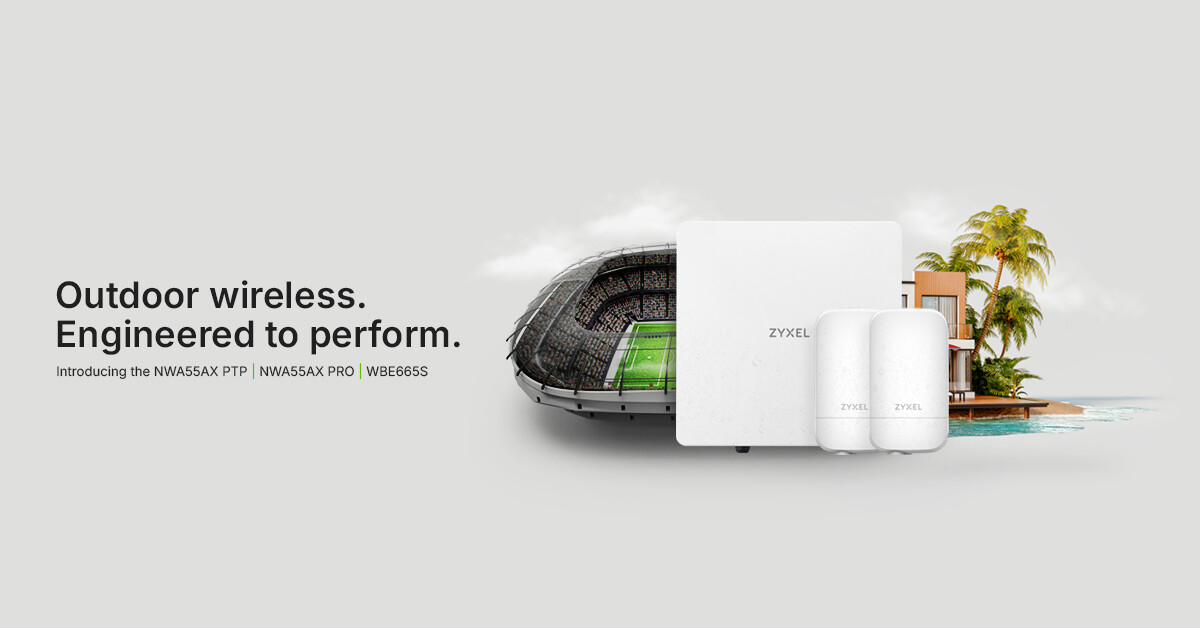
Networking is equally critical. ASUS’s industrial-grade NICs and managed switches are engineered for mission-critical infrastructure, operating in temperatures from -40°C to 75°C while incorporating ESD/surge protection to minimize packet loss in electrically noisy conditions. This ensures that edge devices remain part of a cohesive, governable system rather than isolated nodes.

Collaborations with industry partners reinforce the practicality of this architecture. Comau’s predictive maintenance solutions, for instance, use on-site inferencing to optimize servicing windows and protect production throughput. Meanwhile, CTHINGS.CO leverages ASUS kiosks for sensor-based fraud detection in recycling systems, reducing manual checks and queue times.
Key principles emerge from these deployments: edge-first compute with cloud-smart orchestration, ruggedized hardware designed upfront for industrial conditions, modular performance tiers to avoid bespoke engineering, deterministic networking to reduce jitter and downtime, and lifecycle management for models, firmware, and security policies. Together, they address the operational, financial, and sustainability challenges of scaling AI.
For PC builders and system integrators, this means a shift from custom solutions to standardized edge platforms that can be deployed across multiple sites with consistent performance and supportability. The result is better overall equipment effectiveness (OEE), faster changeovers, and real-time safety improvements—all grounded in hardware that operates reliably in the environments where it’s needed most.