The Blood of Dawnwalker is no longer just a promise. It’s a redefinition of what open-world fantasy can be.
Announced by the same team behind The Witcher 3, this dark, sprawling action RPG isn’t just another entry in the genre. It’s a technical leap forward—one that blends brutal combat with environmental fluidity and a world that reacts in real time. At its core, it’s about performance: how much power you can squeeze from hardware while keeping thermals in check, and whether the result feels as sharp as it looks on paper.
For IT teams managing high-end gaming setups, the stakes are clear. This isn’t just another game demanding more horsepower—it’s a benchmark for how far current architectures can stretch before hitting limits. The question isn’t if your rig will run it smoothly; it’s whether you’re pushing it to its absolute ceiling.
- Dynamic world interactions that respond to player actions in real time.
- A combat system built on physics-driven mechanics and environmental hazards.
- Thermal and power efficiency that challenges current-gen hardware limits.
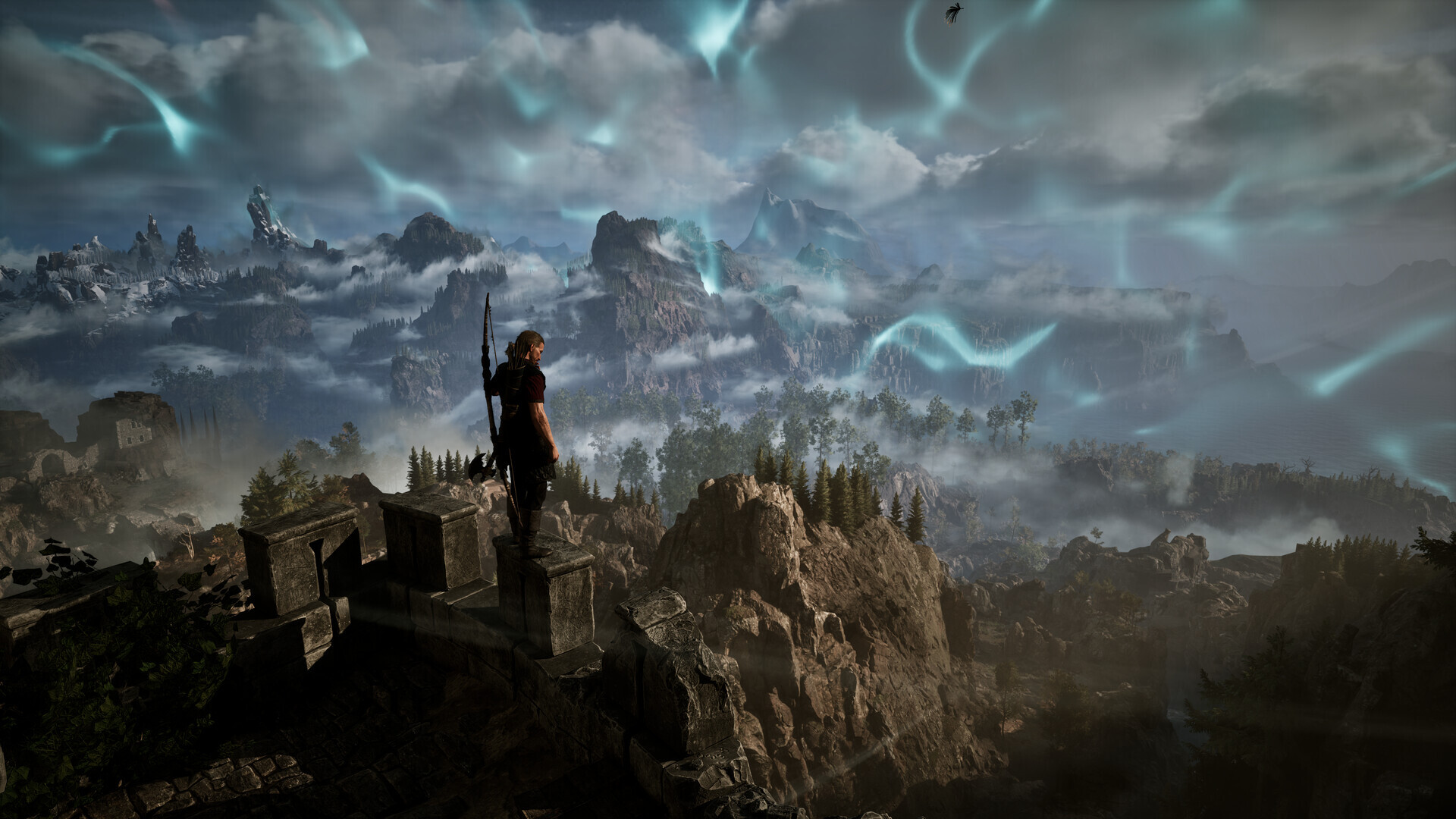
The game’s aesthetic is rooted in a darker, more brutal fantasy setting. Expect fewer bright skies and more shadowed ruins, where the world itself becomes an active participant in battles. This isn’t just about visuals—it’s about how the engine handles density: how many NPCs can roam without stutter, how far you can push draw distances before performance dives.

The technical foundation is built on a next-gen middleware stack, designed to balance raw power with efficiency. Early benchmarks suggest it will run at 4K with DLSS or FSR enabled, but the real test is sustained frame rates in open zones. If history repeats, this could mean pushing GPUs like the RTX 4090 to their thermal limits—something IT teams need to plan for if they’re aiming for flawless performance.
For those tracking market dynamics, this game serves as a stress test for current hardware. It’s not just about raw FPS; it’s about how long you can maintain those numbers without throttling or fan noise becoming an issue. In a landscape where power consumption is increasingly scrutinized, efficiency becomes just as critical as performance.
The roadmap points to a late 2024 launch, with early access potentially opening in mid-2024 for select platforms. Pricing hasn’t been confirmed, but given the technical ambitions, it’s likely positioned at the high end—targeting users who demand both visual fidelity and smooth gameplay without compromise.
What to watch: whether the engine can sustain its performance promises under real-world load, and how IT teams adapt cooling solutions to handle sustained high-end gaming sessions. This game isn’t just a milestone for fantasy RPGs; it’s a test of what modern hardware can truly deliver when pushed to its limits.