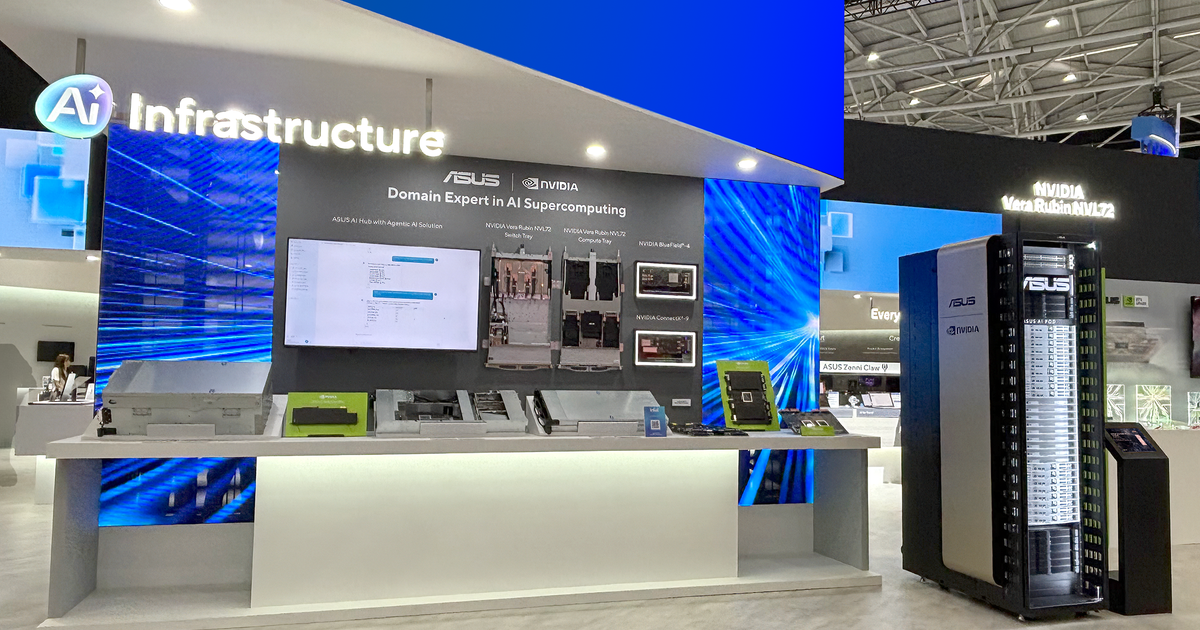
NVIDIA’s DSX AI Factory platform is now powering ASUS’s display manufacturing, marking a shift toward AI-driven precision in production lines. This collaboration could accelerate product development and set new benchmarks for quality control.
At the heart of this initiative lies NVIDIA’s DSX platform, designed to automate complex manufacturing tasks with AI. For ASUS, this means leveraging real-time data analytics to optimize display assembly, potentially reducing defects and speeding up time-to-market. The move aligns with broader industry trends where AI is reshaping supply chains, but the full impact on consumer products remains to be seen.
Why This Matters for Gamers
The partnership could lead to faster iterations of high-refresh-rate displays and adaptive sync technologies, which are critical for competitive gaming. However, whether this translates into tangible performance improvements or cost savings for end users is still unclear. The focus so far has been on internal efficiency rather than direct consumer benefits.
Key Considerations
- Production Efficiency: AI-driven quality control may reduce manufacturing waste and improve consistency, but it won’t immediately lower retail prices.
- Innovation Speed: Faster development cycles could mean more frequent updates to display tech, but adoption depends on market demand.
- Industry Standard: If successful, this model might become a template for other hardware manufacturers, though competition from AMD and Intel in AI tools could complicate the landscape.
The partnership is part of NVIDIA’s broader push to dominate AI infrastructure beyond gaming GPUs. For ASUS, it represents a calculated bet on staying ahead in a segment where margins are thin but innovation is rapid. The real test will be whether this translates into measurable gains for consumers—or if the benefits stay locked behind factory walls.
What’s Next?
ASUS has not yet announced specific products or timelines tied to this collaboration, leaving room for speculation about its immediate impact. The focus remains on refining processes rather than launching new hardware lines. For now, gamers should watch for incremental improvements in display tech, but no groundbreaking revelations are expected in the near term.
That said, the shift toward AI in manufacturing is irreversible. Whether it leads to better products or just more efficient production remains an open question—one that will shape the future of hardware development for years to come.