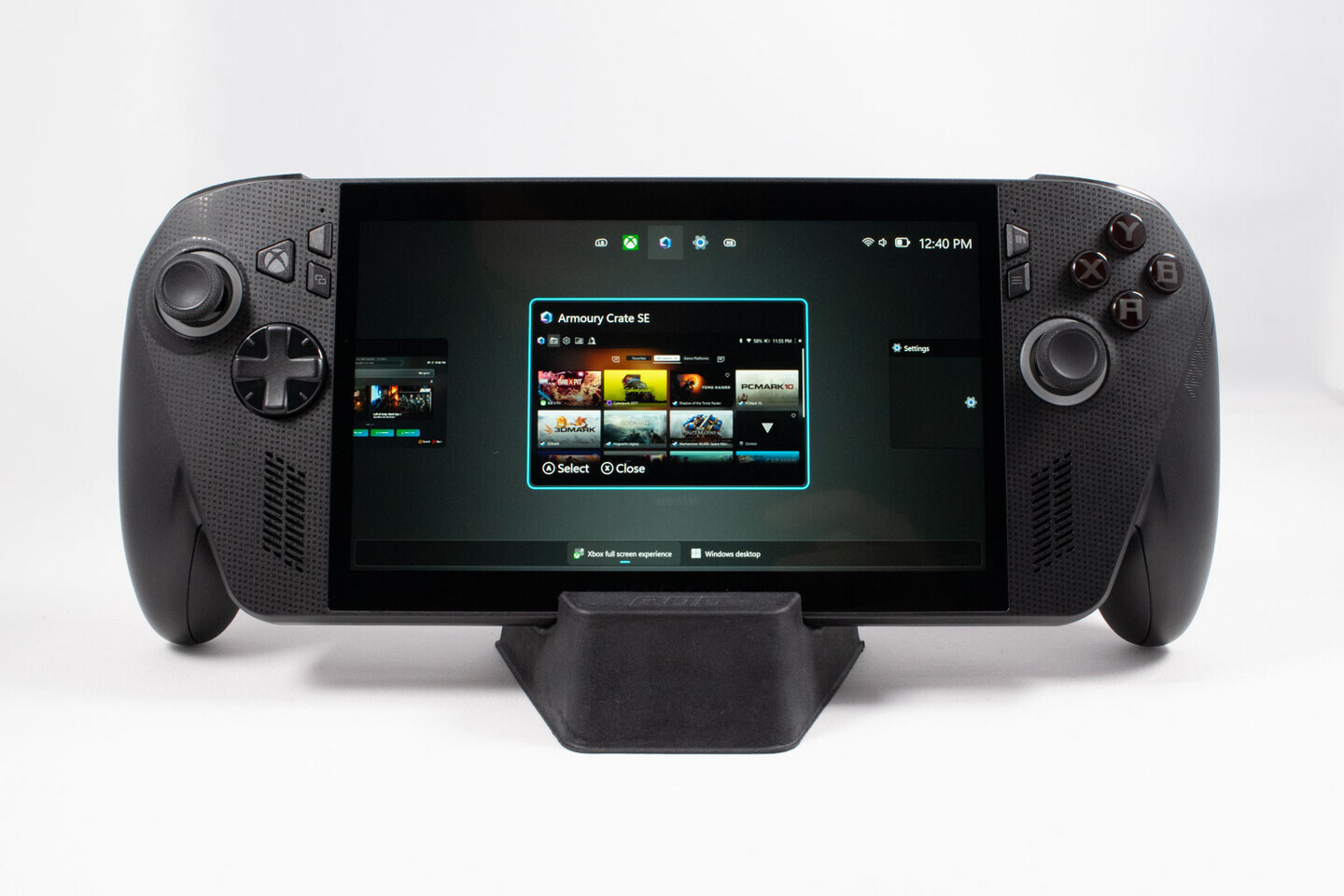
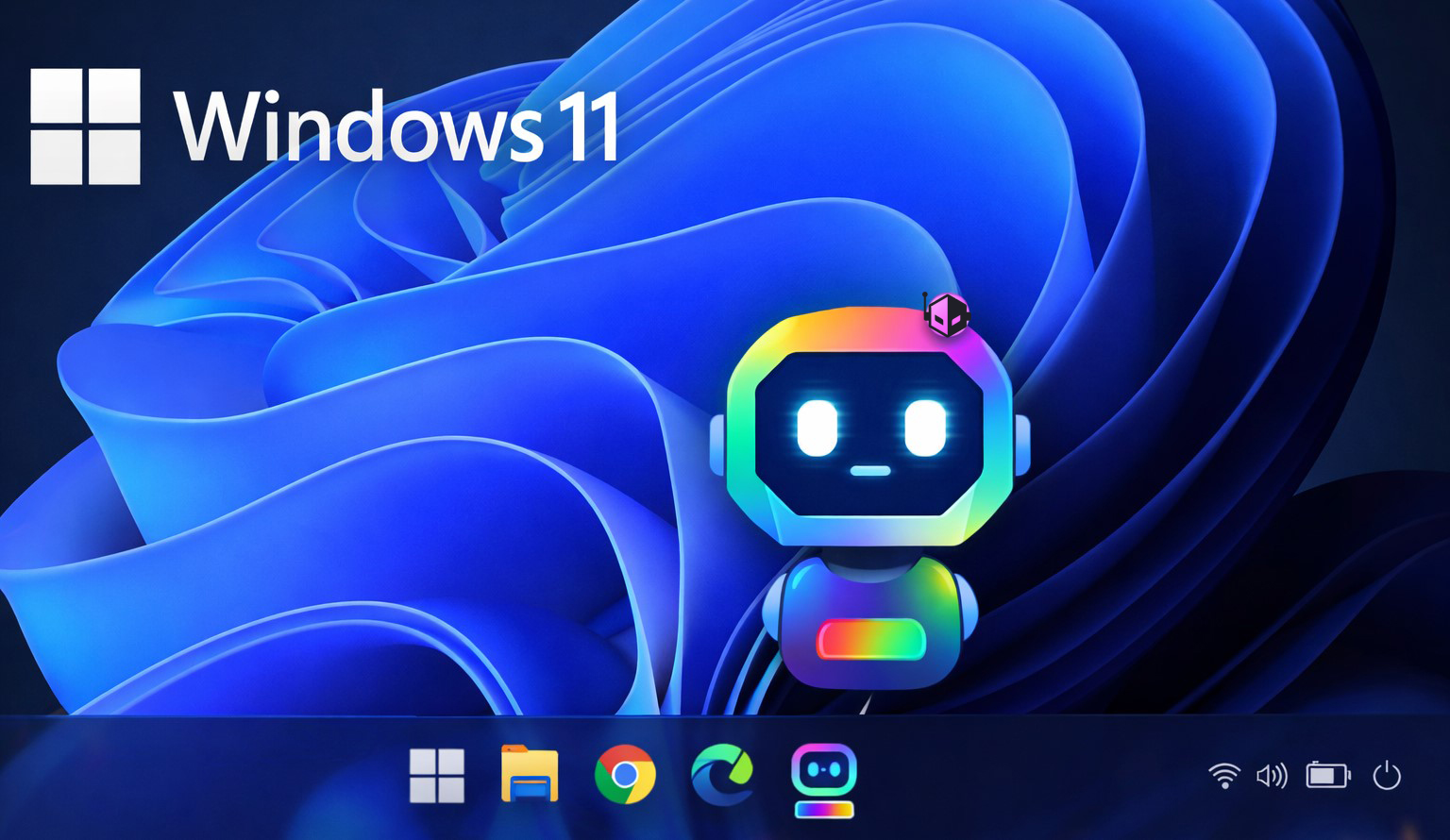
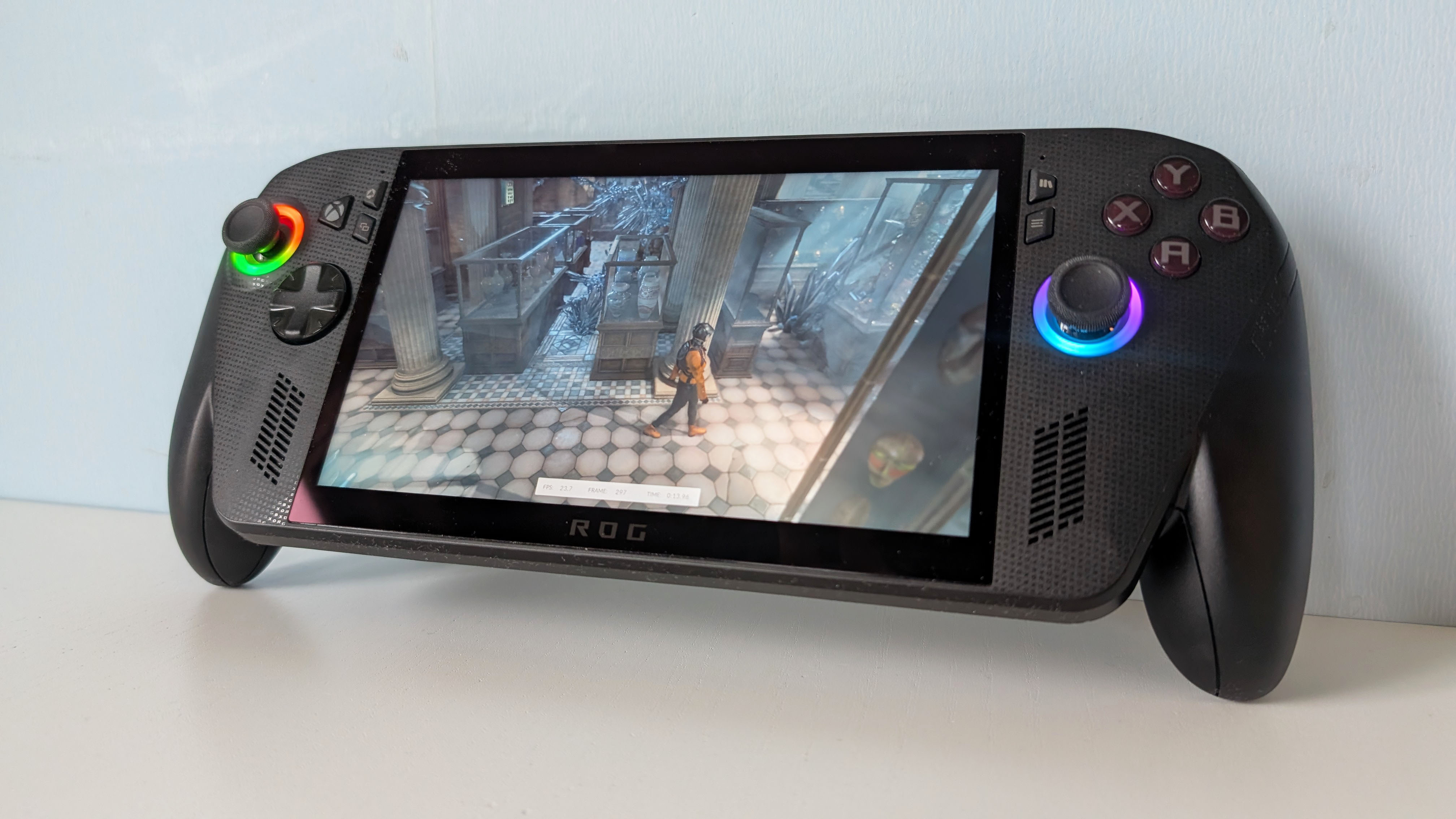
The relationship between Asus and Microsoft has taken a new turn with the latest software update for the ROG Ally handheld, marking a subtle but significant shift in how users interact with Microsoft's AI features. The update, part of Armoury Crate SE version 2.1.20.0, allows users to remap or disable Gaming Copilot, Microsoft's gaming assistant, which has been met with skepticism and resistance from the PC gaming community.
This development is particularly notable given Asus's role as one of Microsoft's key partners in promoting Windows 11 on handheld devices. Historically, Asus was the first company to collaborate with Microsoft on this initiative, but recent updates suggest a growing emphasis on user control and customization. The ability to remap Gaming Copilot—previously bound to a long-press of the Library button—effectively gives users the option to exclude it from their interface entirely.
The update also includes other technical improvements, such as BIOS fixes, enhanced standby mode performance, and adjustments for UI scaling. Additionally, it addresses Xbox 360 controller emulation, ensuring compatibility with a broader range of gaming inputs. While these changes are practical, the focus on remapping AI features stands out as a response to broader industry trends where users have pushed back against forced integrations.
Microsoft's push for Copilot and other AI features has been aggressive, particularly in recent months, with CEO Satya Nadella publicly advocating for their adoption. However, user resistance remains strong, fueled by concerns over privacy, the forced migration from Windows 10 to Windows 11, and the increasing presence of in-OS advertising. This backdrop makes Asus's update a strategic move, balancing partnership obligations while addressing user preferences.
The implications of this shift extend beyond the ROG Ally. It reflects a broader tension within the tech industry between companies' desire to integrate AI features and users' demand for control over their devices. As Valve continues to dominate the handheld gaming market with its Steam Deck, Microsoft's strategy appears to be adapting, even if incrementally. The ROG Ally update serves as a case study in how partnerships can evolve when user resistance meets corporate objectives.
Looking ahead, the focus will likely remain on whether this shift in control is temporary or part of a larger trend. If successful, it could set a precedent for other manufacturers navigating similar pressures from both users and their partners. For now, Asus has given ROG Ally users greater agency over their gaming experience, but the long-term impact on Microsoft's broader AI strategy remains to be seen.