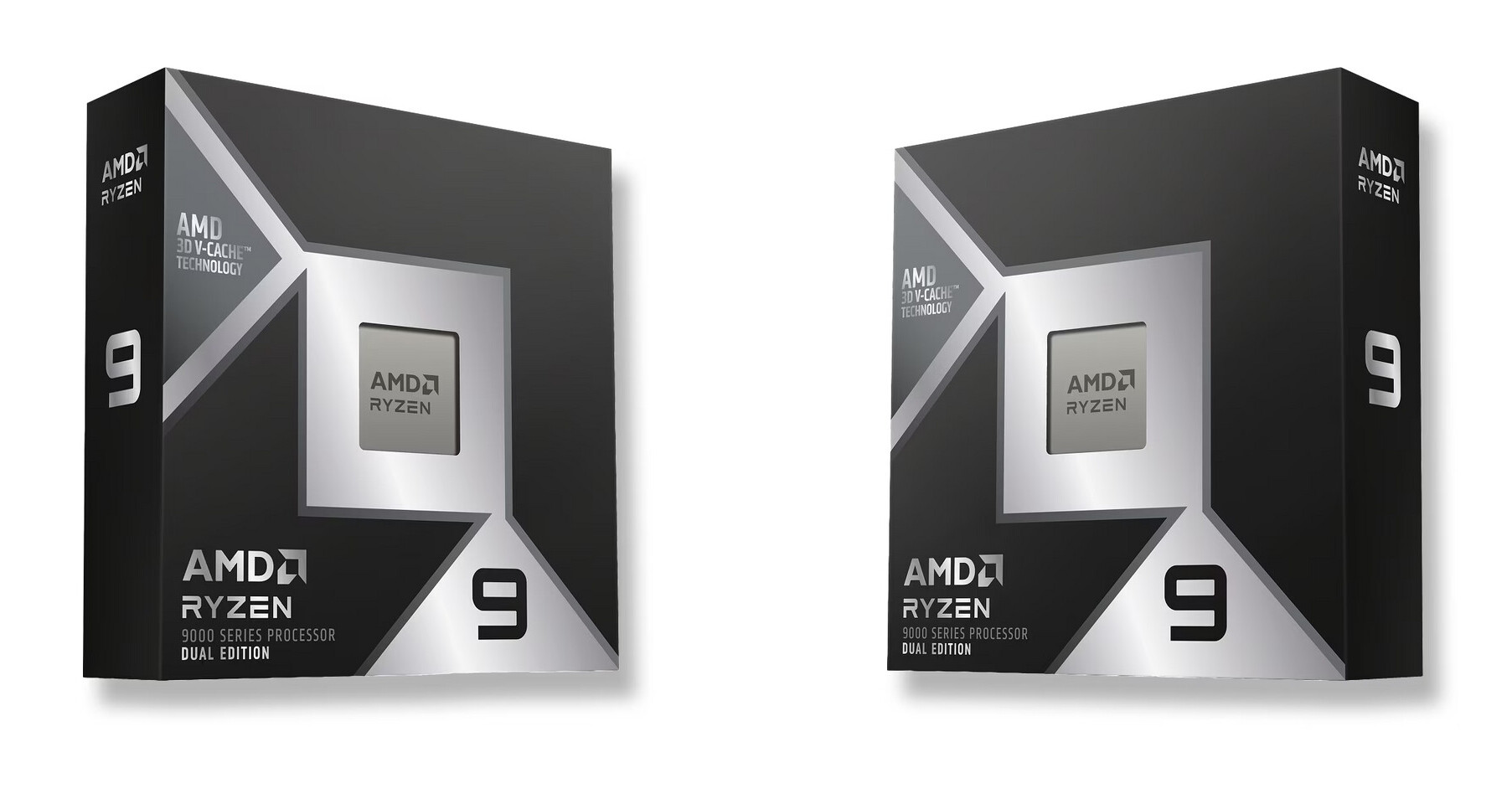
AMD's Ryzen 9 9950X3D2 redefines high-end desktop connectivity and performance by integrating dual-chiplet 3D V-Cache technology into the established AM5 platform. This design choice prioritizes sustained productivity over raw gaming performance, offering a significant 192 MB of L3 cache that benefits multi-threaded workloads such as rendering and simulation. However, this increased cache comes with trade-offs: higher power consumption and slightly reduced clock speeds compared to its gaming-focused counterpart.
The CPU's connectivity remains robust, inheriting the AM5 socket's extensive I/O capabilities while requiring UEFI updates from motherboard manufacturers for full functionality. This ensures backward compatibility but necessitates careful validation before deployment. The 9950X3D2 maintains the same port-rich ecosystem as previous AM5 processors, including support for PCIe 5.0 and DDR5 memory, making it a versatile choice for workstation builds.
Display and Performance
The Ryzen 9 9950X3D2's performance is optimized for productivity tasks rather than gaming. Its dual-chiplet architecture ensures consistent cache access across all cores, which is critical for sustained workloads. However, the maximum boost clock of 5.60 GHz is slightly lower than the 9950X3D's 5.70 GHz, reflecting a deliberate focus on thermal management and power efficiency. The TDP is also higher at 200 W compared to the 170 W of its gaming counterpart, which may require robust cooling solutions for sustained use.
Key Specifications
- Architecture: Zen 5 (16-core, 32-thread)
- Cache: 192 MB L3 (dual-chiplet 3D V-Cache), 208 MB total (L2 + L3)
- Clock Speeds: Max boost: 5.60 GHz
- TDP: 200 W
- Socket: AM5 (requires UEFI updates)
The dual-chiplet design ensures that all cores have access to the expanded cache, which is a significant advantage for tasks that rely on multi-threaded performance. However, this comes at the cost of slightly reduced clock speeds and higher power consumption, which may impact thermal management in some use cases.
Platform Considerations
While the 9950X3D2 is technically compatible with existing AM5 platforms, real-world deployment depends on motherboard vendors' UEFI updates. Early adopters should verify vendor support before committing to builds, as cooling solutions must also accommodate the increased TDP. The 9950X3D remains the gaming choice, its single-chiplet V-Cache optimized for frame rates, whereas the 9950X3D2's symmetry targets sustained productivity—making it a distinct but equally capable platform leader.
For now, pricing and availability remain regional, with China leading the charge while Western markets await further confirmation. Developers eyeing workstation performance will need to weigh cache advantages against power draw and firmware readiness—key factors that will define this CPU's long-term impact on high-end desktop ecosystems.