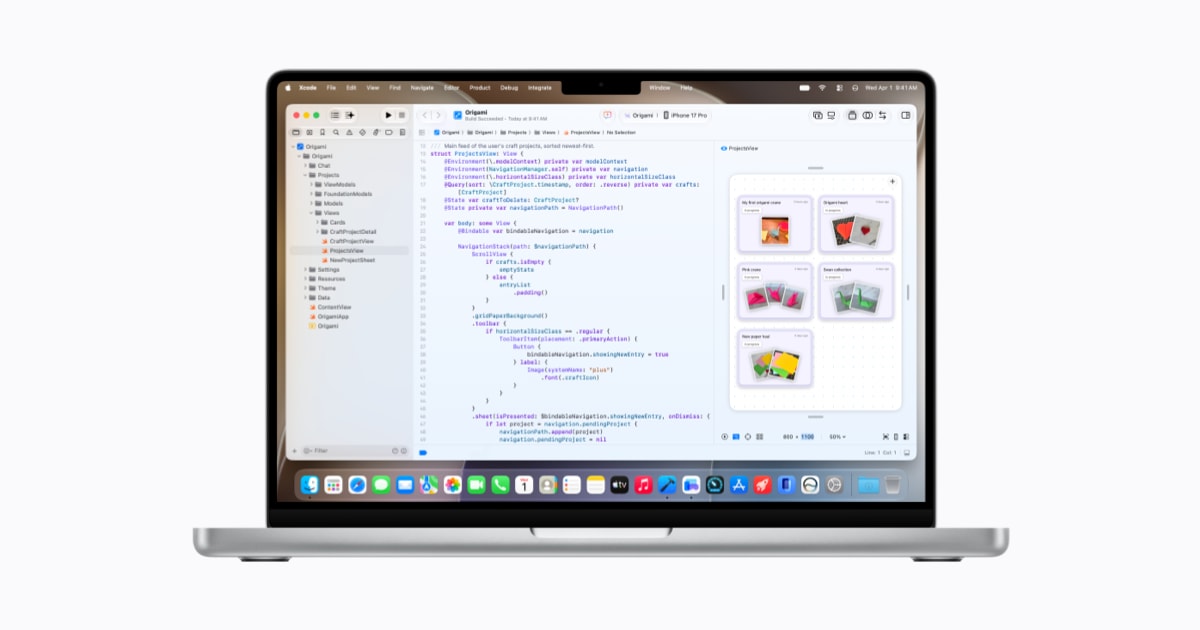
Apple is set to introduce its most significant MacBook Pro redesign in years, with an OLED M6 series arriving as early as late 2026. Unlike previous updates, this refresh will split the lineup sharply: only the M6 Pro and M6 Max will feature the new OLED panels, Dynamic Island, and 5G—leaving the base M6 untouched.
This dual-release strategy mirrors Apple’s 2023 approach, where the M2 Pro/Max were followed by the M3 lineup later that year. Bloomberg’s Mark Gurman suggests the M6 Pro and M6 Max could launch toward the end of 2026, with Samsung’s OLED panels already in mass production ahead of schedule. The timing raises questions: Will buyers wait for the premium OLED models, or will Apple’s pricing strategy—likely a premium for the new displays—stifle adoption?
The OLED upgrade isn’t just about aesthetics. Apple is replacing the notch with a Dynamic Island, a touch-sensitive interface that will finally bring MacBooks in line with iPhones and iPads. Samsung’s early production push hints at a potential earlier launch, though Apple’s typical caution may delay it slightly.
Yet the most striking omission is the base M6. While the M6 Pro and M6 Max gain OLED, touchscreen support, and 5G, the entry-level model remains stuck with an LCD panel. This division could create a confusing market: buyers may face a choice between a traditional LCD MacBook Pro or a pricier OLED alternative, with no middle ground.

Key specs (M6 Pro/M6 Max only)
- Display: OLED (replacing LCD), Dynamic Island, touchscreen support
- Connectivity: 5G modem (first for MacBook Pro)
- Design: Notch removed in favor of Dynamic Island
- Pricing: Likely premium for OLED models (exact pricing unconfirmed)
The addition of 5G is a notable first for the MacBook Pro line, addressing a long-standing gap for professionals and travelers. However, the lack of OLED in the base model could leave some users frustrated, particularly those who don’t need the Pro-level performance.
With the M5 Pro and M5 Max still awaiting their debut in early 2026, Apple’s strategy appears deliberate: a rapid-fire release cycle to keep momentum high. But the risk is clear—if the M6 Pro and M6 Max arrive too soon after the M5 series, sales could suffer as buyers hold out for the latest upgrades.
One thing is certain: Apple’s OLED push is about more than just screens. It’s a bet on redefining the MacBook Pro’s identity—one that could either rejuvenate the lineup or leave some customers in the dark.