Apple’s silicon roadmap is about to get interesting. While the tech world has been bracing for the M6 chip’s arrival in late 2026 or beyond, fresh signals point to a possible acceleration—one that could reshape which products get the upgrade first.
The latest clues come from an unexpected corner: Samsung Display’s production ramp-up of its 8.6G OLED panels, a double-layer display technology rumored to be central to a forthcoming MacBook Pro overhaul. If those panels are being manufactured ahead of schedule, it suggests Apple may be preparing to deploy them in devices sooner than previously thought.
Yet the real twist lies in how Apple might deploy the M6. Historically, each new Apple Silicon iteration has debuted in the MacBook Pro lineup—from the M1 in 2020 to the M5 in late 2025. But this time, the chip’s arrival could take a different path.
Why the uncertainty?
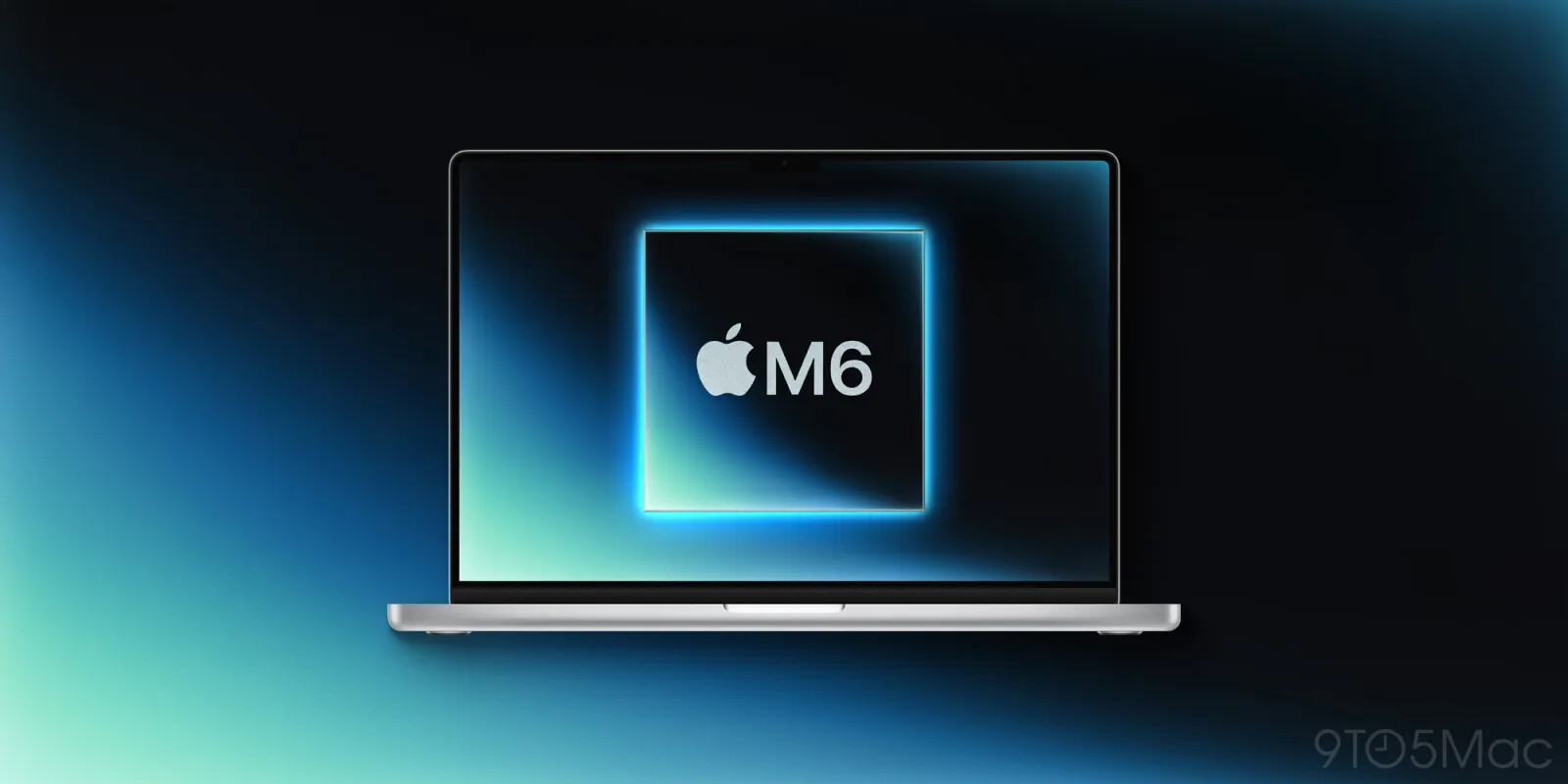
- MacBook Pro’s fate: The next-generation 14-inch and 16-inch MacBook Pros are still expected to launch in the first half of 2026, likely powered by the M5 Max or M5 Pro. The M6, if it follows the usual pattern, would traditionally slot into the following refresh cycle. But with production timelines tightening, Apple may opt to hold the M6 back—even as early as late 2026—for a different product.
- iPad Pro as the wild card: If the MacBook Pro’s OLED transition slips into 2027, the iPad Pro could become the first home for the M6. The tablet line, which saw an eighth-generation refresh in October 2025, might now be the testing ground for Apple’s most advanced chip to date.
- A shorter gap than before: The M5 launched just five months after the M4, a pace that defies Apple’s usual annual cadence. If the M6 follows a similar rhythm, its arrival by late 2026 wouldn’t be unprecedented—even if it breaks from the MacBook Pro tradition.
The stakes are high. The M6 is expected to be built on a 2nm process, a leap that could deliver significant performance and efficiency gains. But whether it lands in a laptop, a tablet, or both remains the million-dollar question.
Apple’s product cycle is notoriously opaque, but the pieces are falling into place faster than expected. If the M6 does arrive earlier, it won’t just be about raw power—it could signal a shift in how Apple prioritizes its silicon across its lineup. For now, the only certainty is that the wait for Apple’s next chip breakthrough may be shorter than anyone anticipated.