Apple’s upcoming M5 Pro and M5 Max chips, expected in March for the refreshed 14-inch and 16-inch MacBook Pro, will mark a significant shift in packaging technology. Moving from TSMC’s InFO (Integrated Fan-Out) to a 2.5D design promises better thermal performance, lower electrical resistance, and reduced defect rates—critical improvements for chips that can draw up to 212W under heavy workloads.
The change aligns with Apple’s push for more efficient cooling and cost-effective production. While InFO excels in thin, power-sensitive designs, 2.5D allows separate CPU and GPU blocks, improving heat distribution and enabling easier defect testing. This modular approach could also lower production costs, a priority as Apple navigates ongoing DRAM supply challenges.
Thermal management remains a key concern for high-end Apple Silicon. The M4 Max in the 16-inch MacBook Pro, for instance, reaches 110°C under sustained heavy loads, while even the more efficient M5 can hit 99°C. A 2.5D design helps mitigate these spikes by spreading heat more evenly across the chip, reducing reliance on Apple’s single heatpipe solution.
Beyond the M5 series, this shift may foreshadow broader changes. If successful, future chips—including the rumored M6—could adopt similar packaging, further optimizing performance and yield.
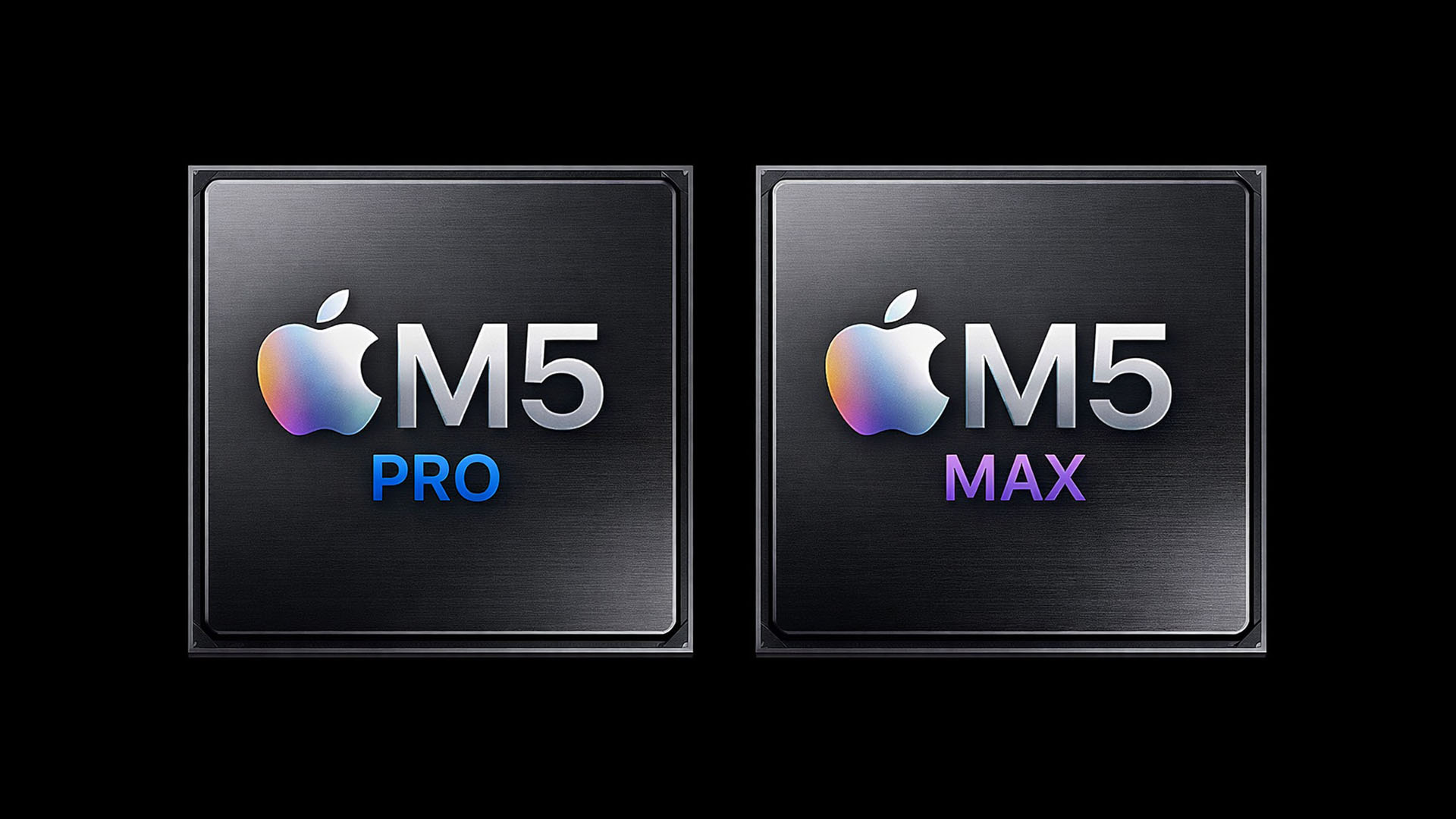
Key specs and packaging changes
- Packaging: Transitioning from InFO to 2.5D for better heat dissipation and lower resistance.
- Defect reduction: Modular block testing allows individual replacement of faulty CPU/GPU sections, improving manufacturing efficiency.
- Thermal performance: Even distribution of heat reduces hotspots, critical for chips hitting 212W under load.
- Cost efficiency: Aligns with Apple’s efforts to manage production costs amid supply constraints.
- Architectural flexibility: Supports separate CPU/GPU blocks, enabling targeted optimizations.
This move reflects Apple’s balancing act: pushing performance while refining manufacturing processes. The 2.5D shift isn’t just about raw power—it’s about sustainability, efficiency, and scalability for future designs.
Availability for the M5 Pro and M5 Max remains tied to the expected March MacBook Pro refresh, with macOS 26.3 beta testing already underway.