Apple’s MacBook Pro lineup is inching closer to a major refresh, though the exact timeline for the M5 Pro and M5 Max-powered models remains fluid. While no official announcement has been made, industry insights suggest these updates will arrive in the first half of 2025—marking a two-year gap since the last high-end refresh with the M2 Pro and M2 Max in late 2023.
The delay isn’t necessarily a sign of trouble; rather, it reflects Apple’s methodical approach to chip design and manufacturing. The M5 series, if it follows the pattern of its predecessors, will prioritize incremental yet meaningful upgrades: faster SSD speeds, refined thermal management, and a potential boost in gaming performance—particularly in demanding titles like Cyberpunk 2077.
Why the Wait?
The absence of a firm launch date isn’t unusual for Apple. The company often refines hardware well into the production cycle, ensuring stability before mass release. For instance, the transition to unified memory architecture in recent MacBook Pros took eight weeks to fully stabilize before shipping to customers—a process that hints at the precision behind Apple’s hardware rollouts.
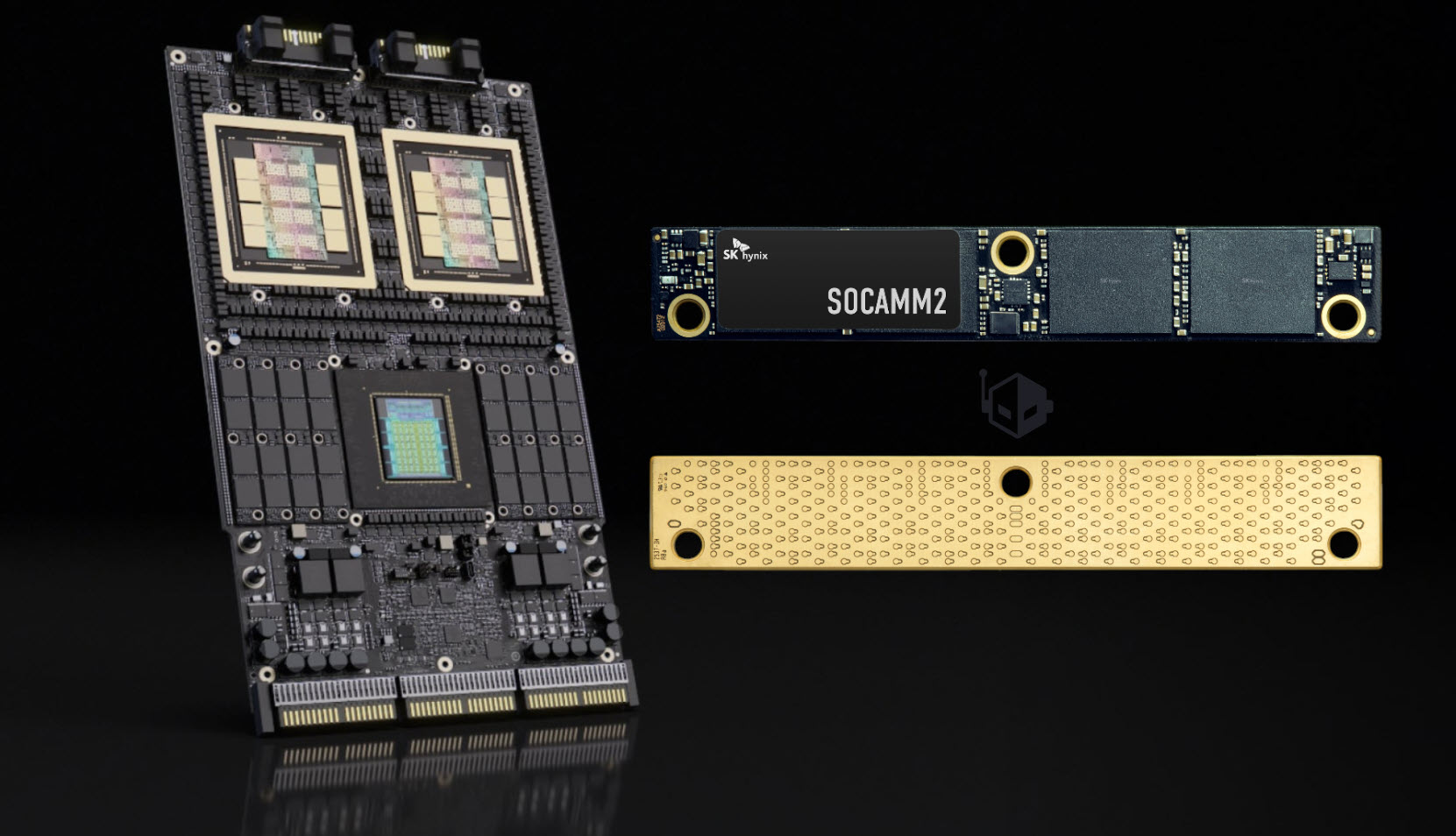
This time, however, the stakes are higher. The M5 Pro and M5 Max are rumored to adopt a radical packaging shift: SoIC-MH (Small Outline Integrated Circuit Molding-Horizontal). Unlike the monolithic design of the M5, which hit 99°C under heavy loads, this new approach separates CPU and GPU blocks. The result? More efficient heat distribution and potentially lower temperatures—critical for chips that could rival the M4 Max’s 212W power draw.

A Glimpse at the Future
Beyond laptops, Apple’s chip roadmap extends to the Mac Studio. An M5 Ultra variant is reportedly in development, targeting professional workloads that demand raw processing power. Meanwhile, the Mac Pro—long the domain of high-end desktops—may face an uncertain future, with whispers of a potential discontinuation. If true, this would signal Apple’s growing focus on the Mac Studio as its premium desktop platform.
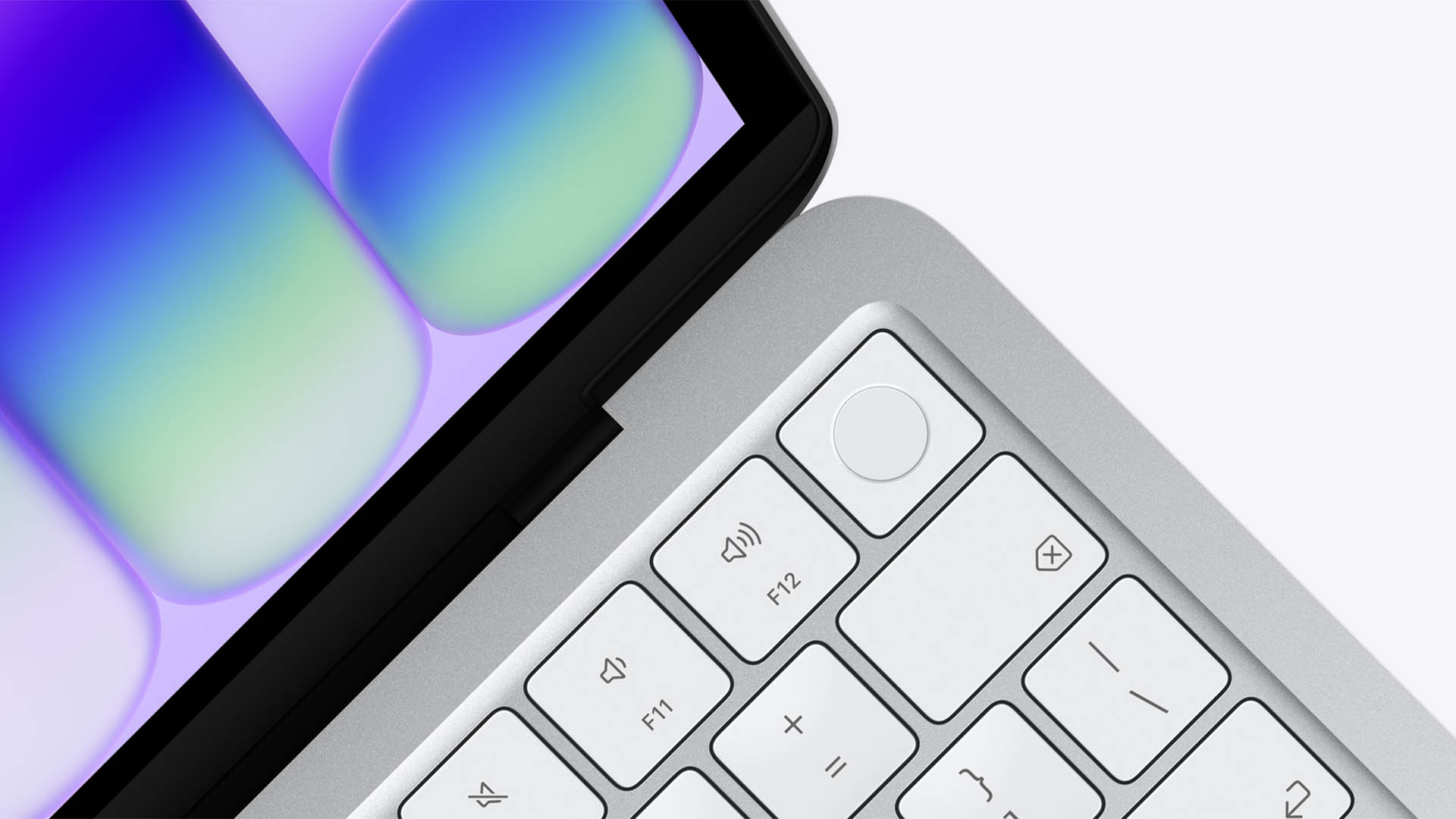
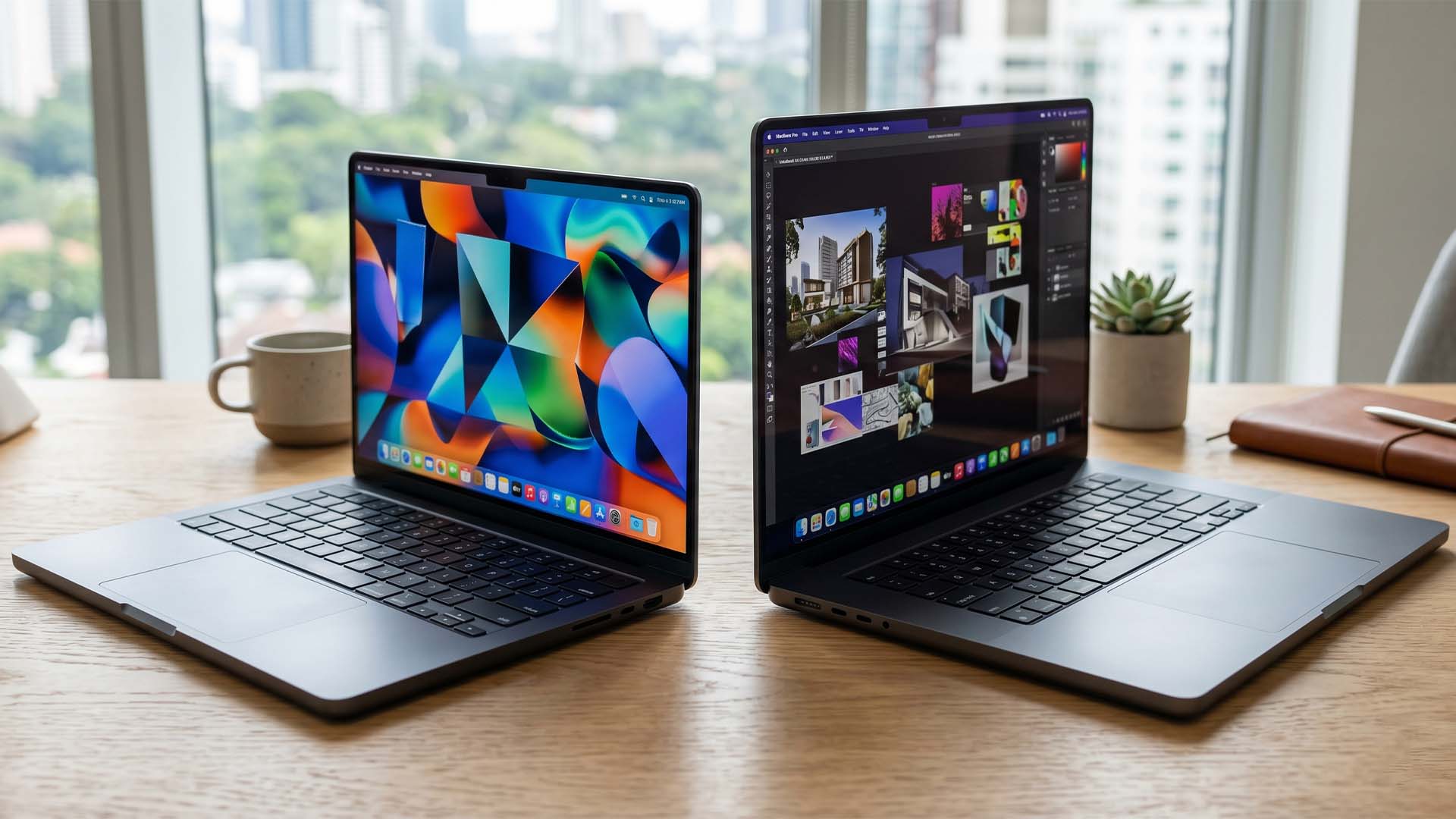
What won’t change? The form factor. The 14-inch and 16-inch MacBook Pro designs are expected to remain largely unchanged, with updates limited to internal components. For power users, this means faster storage (SSD read/write speeds could see a noticeable bump) and better thermal headroom—though whether that translates to sustained 100FPS in non-native 1080p gaming remains to be seen.
The Bottom Line
For now, the M5 Pro and M5 Max remain on track for mid-2025, but the real story lies in the engineering behind them. Apple’s shift to SoIC-MH packaging could set a new standard for thermal efficiency, while the Mac Studio’s M5 Ultra hints at a broader push into high-performance computing. One thing is certain: the wait is nearly over.