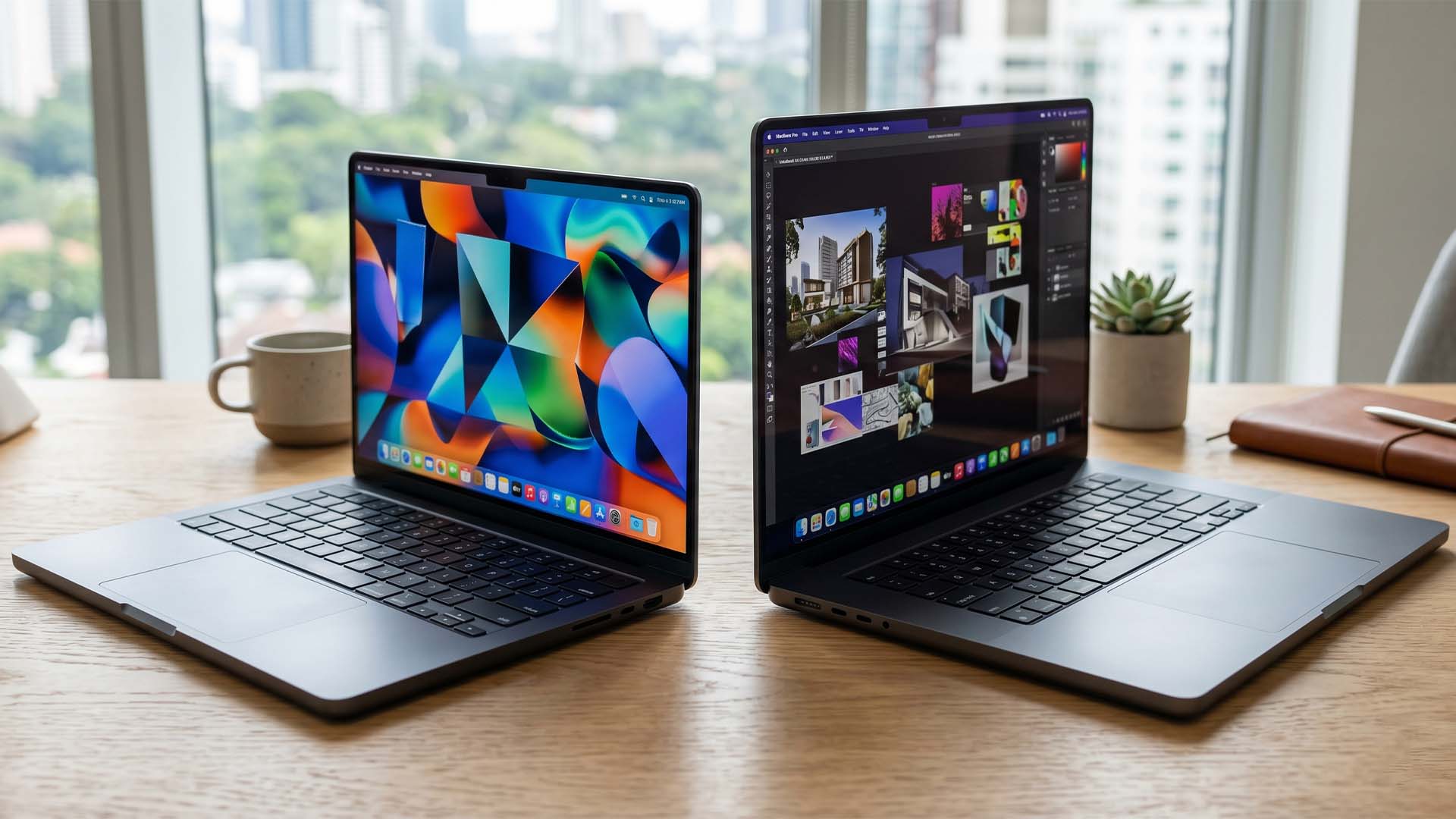
Apple’s commitment to Liquid Glass displays represents more than just a technological choice—it signals a shift in how the company balances user experience with hardware evolution. While some consumers and developers may question the need for gradual change, Apple’s approach suggests that true innovation lies not in radical leaps but in steady, iterative improvements.
The technology, which debuted on iPhones and has since expanded to MacBooks, is designed to deliver a seamless, tactile feel while maintaining durability. This focus on refinement over disruption could reshape how developers optimize apps for Apple’s ecosystem, particularly as Liquid Glass becomes more deeply integrated into software interactions. For users, the benefit lies in familiarity paired with subtle enhancements, but the trade-off may come at the cost of missing out on more experimental display technologies emerging elsewhere.
Why Developers Should Care
For developers, the implications of Apple’s long-term investment in Liquid Glass are significant. The company has emphasized that this isn’t a one-time upgrade but a continuous process of optimization, with improvements expected across all platforms over the coming years. This stability could streamline app development, as software can be tailored to a consistent display experience rather than adapting to rapid hardware changes.
- Performance: Liquid Glass is built for efficiency, reducing latency in touch and haptic feedback while maintaining energy efficiency—a critical factor for battery life on mobile devices.
- Durability: The material’s resistance to scratches and smudges aligns with Apple’s reputation for robust hardware, though it may limit customization options compared to glass or ceramic alternatives.
- Software Integration: Future macOS and iOS updates are likely to leverage Liquid Glass more deeply, potentially introducing new gestures or adaptive interfaces that take advantage of its tactile properties.
The trade-off for developers is the need to stay ahead of Apple’s gradual improvements. While this approach minimizes the risk of compatibility issues, it also means that features introduced on one platform (e.g., iPhones) may not immediately translate to others (e.g., MacBooks), requiring careful planning.

Who Stands to Gain—and Who Might Wait
For everyday users, the decision to stick with Liquid Glass hinges on their tolerance for incremental upgrades. Those who prioritize familiarity and reliability will likely find Apple’s approach appealing, especially if they rely on seamless integration between devices (e.g., iPhone and MacBook). However, users who prefer more experimental displays—such as foldable screens or ultra-high-refresh-rate OLED—may feel left behind.
- Enthusiasts: Developers working on performance-critical apps (gaming, AR/VR, creative tools) may benefit from Liquid Glass’s efficiency and durability, though they’ll need to adapt to Apple’s timeline for improvements rather than industry-wide trends.
- Mainstream Users: Casual users who value simplicity and longevity in their devices will likely see the most immediate benefits, with fewer disruptions as Apple refines the technology over time.
The broader trend here is a platform-centric approach to hardware evolution. Unlike competitors that chase the latest display technologies (e.g., 120Hz refresh rates or under-display cameras), Apple is betting on a slower, more controlled path. This could influence how other tech companies prioritize innovation, especially in markets where user experience trumps cutting-edge specs.
For developers, the key takeaway is to monitor Apple’s roadmap closely. Those who align their projects with Liquid Glass’s gradual improvements will find stability, but they’ll need to balance this against the potential for missing out on more disruptive advancements elsewhere. The ecosystem’s cohesion may ultimately outweigh the benefits of chasing the next big thing.