A recent patent filing offers a glimpse into how Apple plans to handle the data demands of future drone swarms. The technology aims to distribute network traffic more evenly across cellular bands, reducing strain on 4G and 5G infrastructure while maintaining low latency.
The proposed system uses adaptive load balancing to prioritize data transmission based on network congestion levels. Drones would dynamically shift between frequency bands—including sub-6 GHz and mmWave—to avoid bottlenecks. This could be crucial for applications like aerial photography, surveillance, or emergency response, where real-time data is critical.
One key innovation involves a 'network-aware' protocol that monitors signal strength and interference in real time. By adjusting drone behavior—such as altitude or movement patterns—the system aims to minimize disruptions to ground-based devices. However, the patent does not address potential regulatory hurdles or spectrum availability, which remain significant challenges.
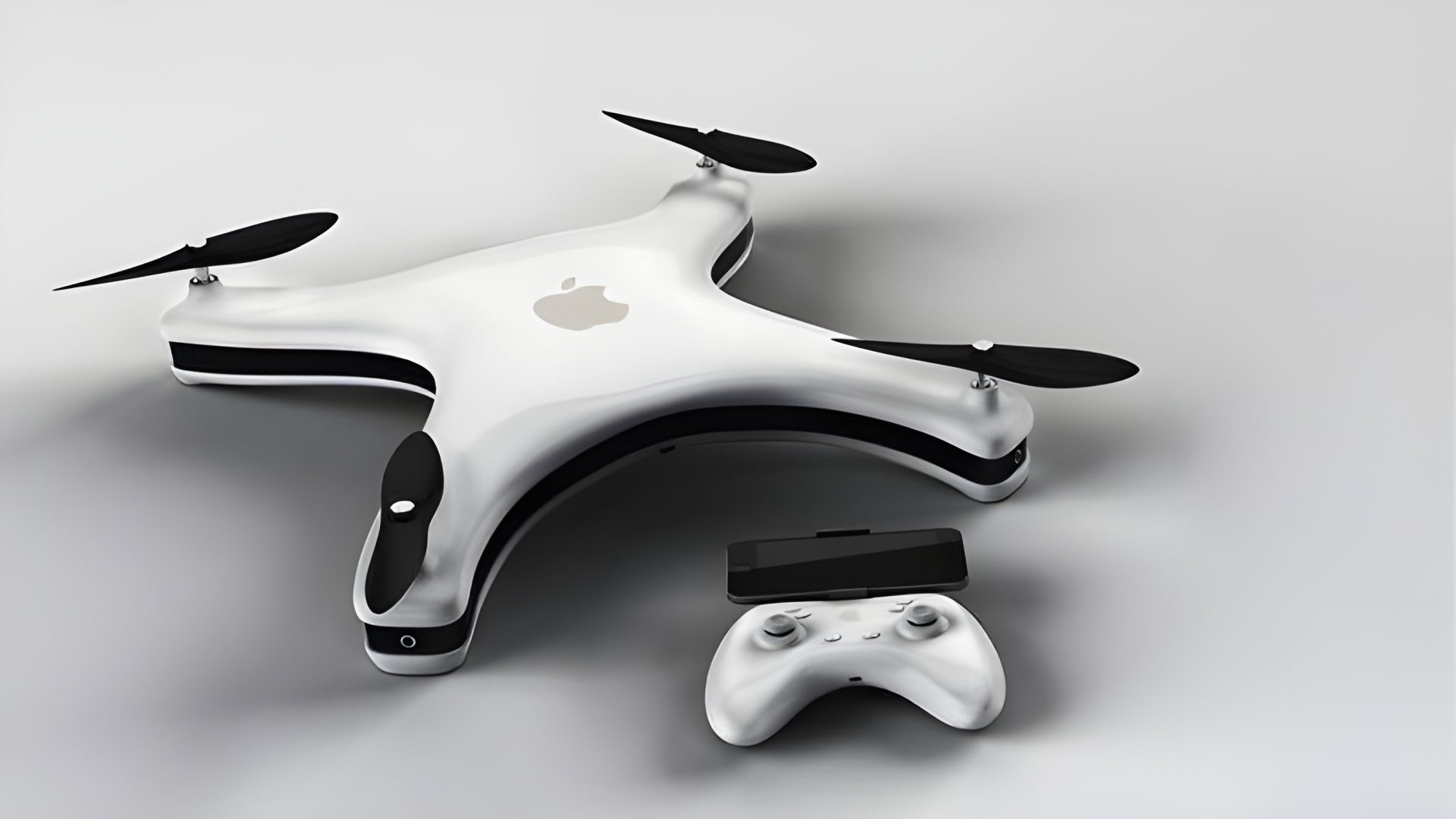
For developers working on drone integration, this technology could streamline deployment by reducing the need for custom infrastructure. But reliance on existing cellular networks means compatibility risks persist, particularly in high-density urban environments where signal interference is common.
The approach contrasts with traditional swarm coordination methods that focus solely on physical maneuvering. By treating network efficiency as a core design element, Apple’s proposal suggests a more holistic view of drone operations—a shift that could set new standards for aerial data transmission.