Intel’s supply chains are undergoing a quiet but notable transformation. Sources indicate the company is amassing a substantial stockpile of DDR4 memory modules, a move that suggests preparation for an impending Raptor Lake refresh cycle. This isn’t just about clearing inventory—it reflects a broader strategy to meet sustained demand for DDR4-based systems, even as newer platforms push toward DDR5 adoption.
The buildup comes at a time when DDR4 remains the backbone of many desktop and workstation configurations, particularly in professional and creator workflows. While DDR5 is steadily gaining traction, its higher cost and compatibility constraints have kept DDR4 relevant for budget-conscious builds and legacy system upgrades. Intel’s decision to stockpile DDR4 modules now could signal that the Raptor Lake refresh—rumored to be on the horizon—will continue supporting this memory standard, at least for some time.
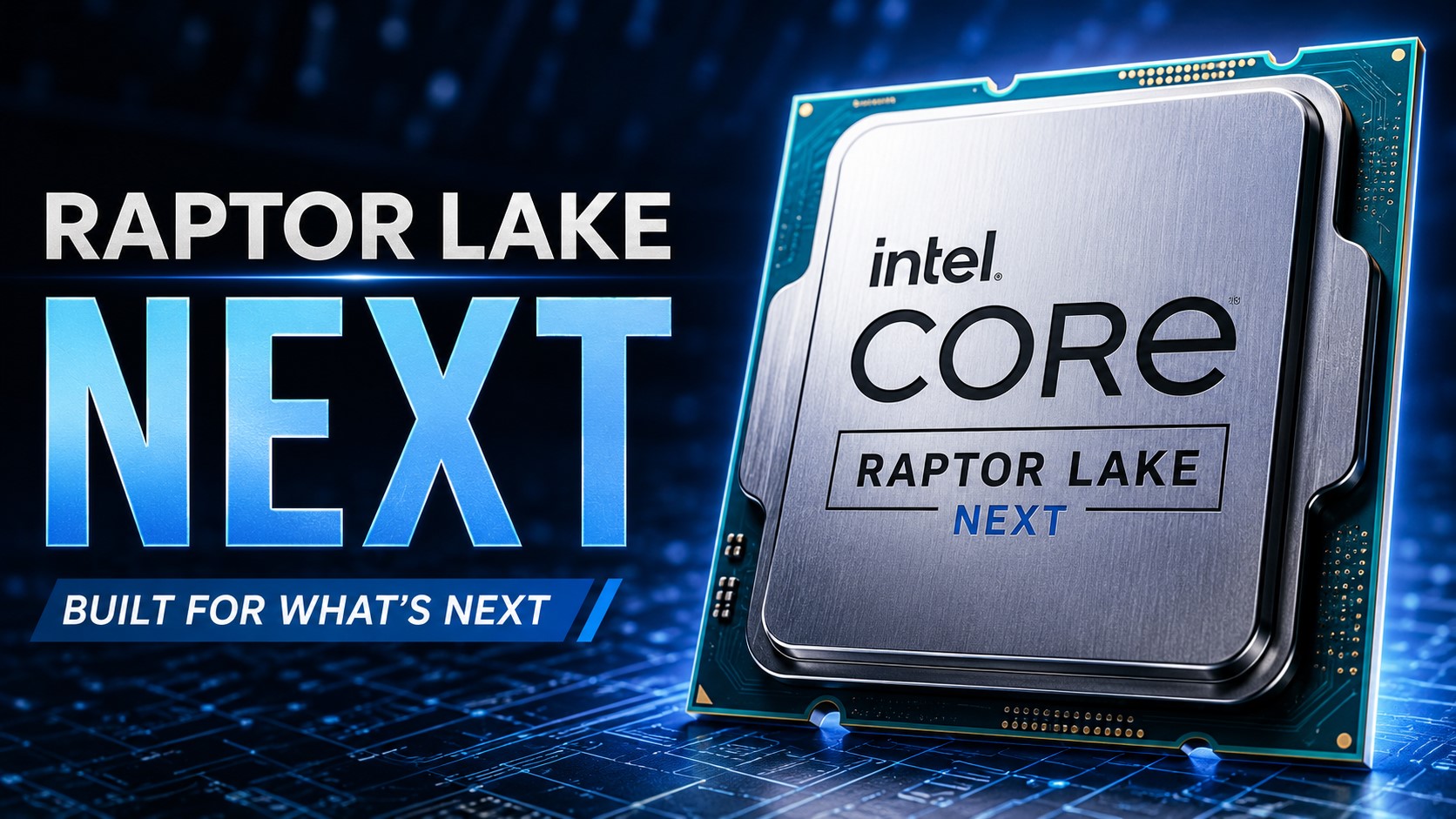
This isn’t the first instance of Intel adjusting its supply strategy in response to market demand. Earlier this year, reports emerged about a similar stockpiling effort for 12th-gen Raptor Lake CPUs, which were later released with extended DDR4 support. The pattern suggests a deliberate approach to balancing availability and performance, ensuring that users aren’t left stranded as newer architectures roll out.
For creators and professionals, the implications are twofold. On one hand, the continued availability of DDR4 modules means that high-performance builds won’t be forced into an immediate upgrade cycle if they’re already invested in DDR4-based systems. On the other, it hints at a potential delay in widespread DDR5 adoption, as Intel prioritizes supporting older platforms. This could extend the lifespan of DDR4 but may also prolong the transition period for those waiting to see where memory prices stabilize.
The question now is whether this stockpile will translate into better availability for consumers when the next Raptor Lake iteration arrives. If past behavior holds, Intel’s move could smooth out supply chain hiccups and ensure that DDR4 remains a viable option—at least until demand for DDR5 becomes more predictable.