Podcasting is about to get a visual upgrade. Apple has quietly redefined its Apple Podcasts app by introducing a full-fledged video experience, leveraging its proprietary HTTP Live Streaming (HLS) technology to merge audio and video into a single, fluid platform. The move isn’t just about adding video—it’s about reimagining how creators build audiences and how listeners engage with content.
Why This Matters
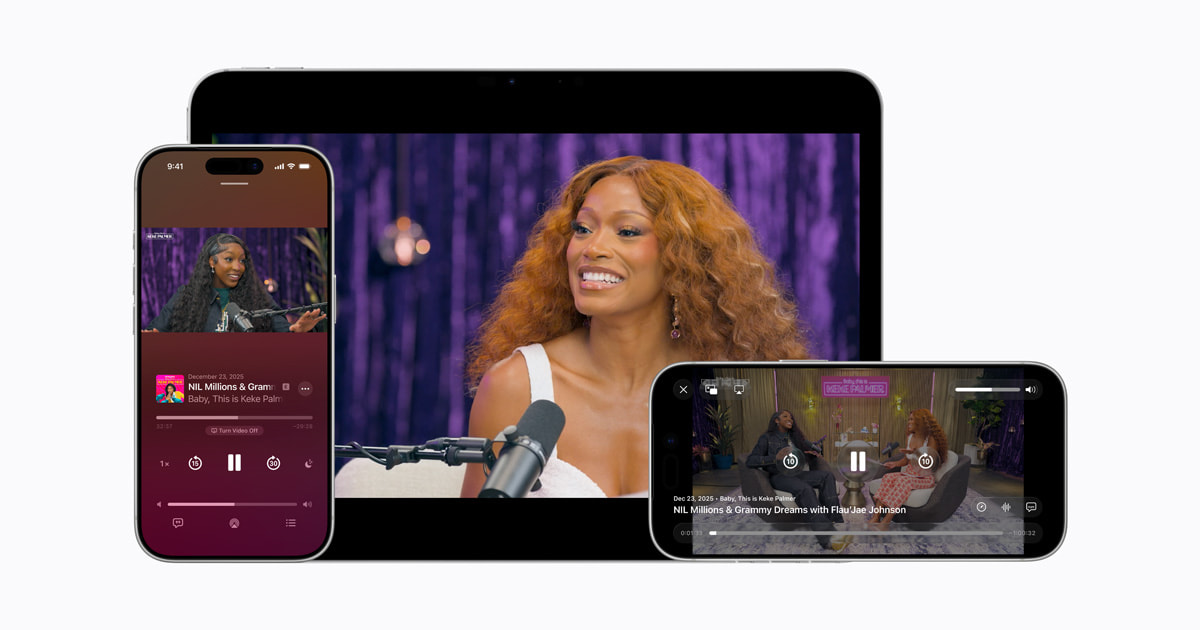
For the past two decades, Apple has shaped podcasting—from embedding it in iTunes to launching a standalone app. Now, it’s doubling down on video, a format that’s rapidly becoming essential for creators who want to stand out in a crowded market. The new system isn’t just about watching episodes; it’s about flexibility. Users can toggle between audio and video mid-playback, switch to full-screen horizontal viewing, or download episodes for offline access—all while HLS dynamically adjusts quality to match network conditions.
But the real innovation lies in creator tools. For the first time, podcasters can insert dynamic video ads—including host-read commercials—directly into their episodes without disrupting existing audio listeners. This opens doors to new revenue streams while keeping full control over content. Hosting providers like Acast, ART19, Omny Studio, and SiriusXM are already on board, with more expected to follow.
Key Features for Creators and Listeners
- Seamless Audio/Video Switching: Users can flip between listening and watching without losing their place.
- Full-Screen Horizontal Viewing: Optimized for tablets and the Apple Vision Pro, with immersive display options.
- Offline Downloads: Video episodes can be saved for later, just like audio.
- Dynamic Ads: Creators can insert video ads—including host-read spots—without affecting audio listeners.
- No Distribution Fees: Apple won’t charge creators or hosting providers for HLS video distribution.
- Ad Revenue Share: Apple will take a cut of dynamic ad impressions starting later this year.
- Integration with Existing Tools: Works with Enhance Dialogue, playback speed controls, chapters, and transcripts.
The new video experience also preserves Apple Podcasts’ core strengths. Personalized recommendations, editorial curation, and premium subscriptions remain intact, now extended to video content. This means creators can offer exclusive video episodes to subscribers while keeping audio versions free for broader reach.
A Bigger Stage for Podcasting
Industry leaders see this as a turning point. Acast’s CEO called it a ‘defining moment’ for creators, while ART19’s CEO framed it as the next logical step in podcast evolution. The ability to monetize video ads—without fragmenting audiences—could attract brands that have hesitated to invest in podcasting due to limited ad formats.
For listeners, the change is subtle but meaningful. No more juggling separate apps for audio and video podcasts. The experience feels native, with familiar navigation and the same level of polish Apple delivers across its ecosystem. And with HLS handling quality adjustments automatically, buffering becomes a relic of the past.
What’s Next
HLS video is already available in beta for iOS 26.4, iPadOS 26.4, and visionOS 26.4. The full rollout to iPhone, iPad, Apple Vision Pro, and the web is expected this spring. Creators can start testing the workflow at podcasters.apple.com, where Apple provides guidance on capturing, producing, and distributing video episodes.
This isn’t just an update—it’s a reinvention. By unifying audio and video under one roof, Apple has given podcasting a second act, one where creators can experiment with new formats while keeping their existing audiences engaged. The question now isn’t whether video podcasts will take off, but how quickly the rest of the industry will follow.