Apple is in advanced discussions with SpaceX to integrate Starlink’s direct-to-cell connectivity into the upcoming iPhone 18 Pro and iPhone 18 Pro Max, marking a shift away from its current reliance on Globalstar’s satellite network. The move would allow iPhones to tap into SpaceX’s Low Earth Orbit (LEO) satellite constellation for broader coverage—including remote areas—without demanding additional hardware from users.
The development aligns with recent industry trends, as SpaceX has secured FCC approval to deploy up to 15,000 second-generation Starlink satellites, each designed for 20x higher throughput and optimized for direct cellular connectivity. These satellites can communicate with unmodified smartphones, eliminating the need for bulky external modems or dongles—a feature that could redefine how iPhones operate in regions with limited terrestrial networks.
Currently, Apple’s Emergency SOS via Satellite service, powered by Globalstar, enables iPhones to send messages and share locations in emergencies when cellular or Wi-Fi is unavailable. However, reports suggest Apple is distancing itself from Globalstar, as the satellite provider’s valuation has surged amid competition from Starlink. A potential shift to SpaceX’s network would also grant Apple access to a more scalable infrastructure, particularly as Starlink expands its Gen2 satellites with improved latency and collision-avoidance systems.
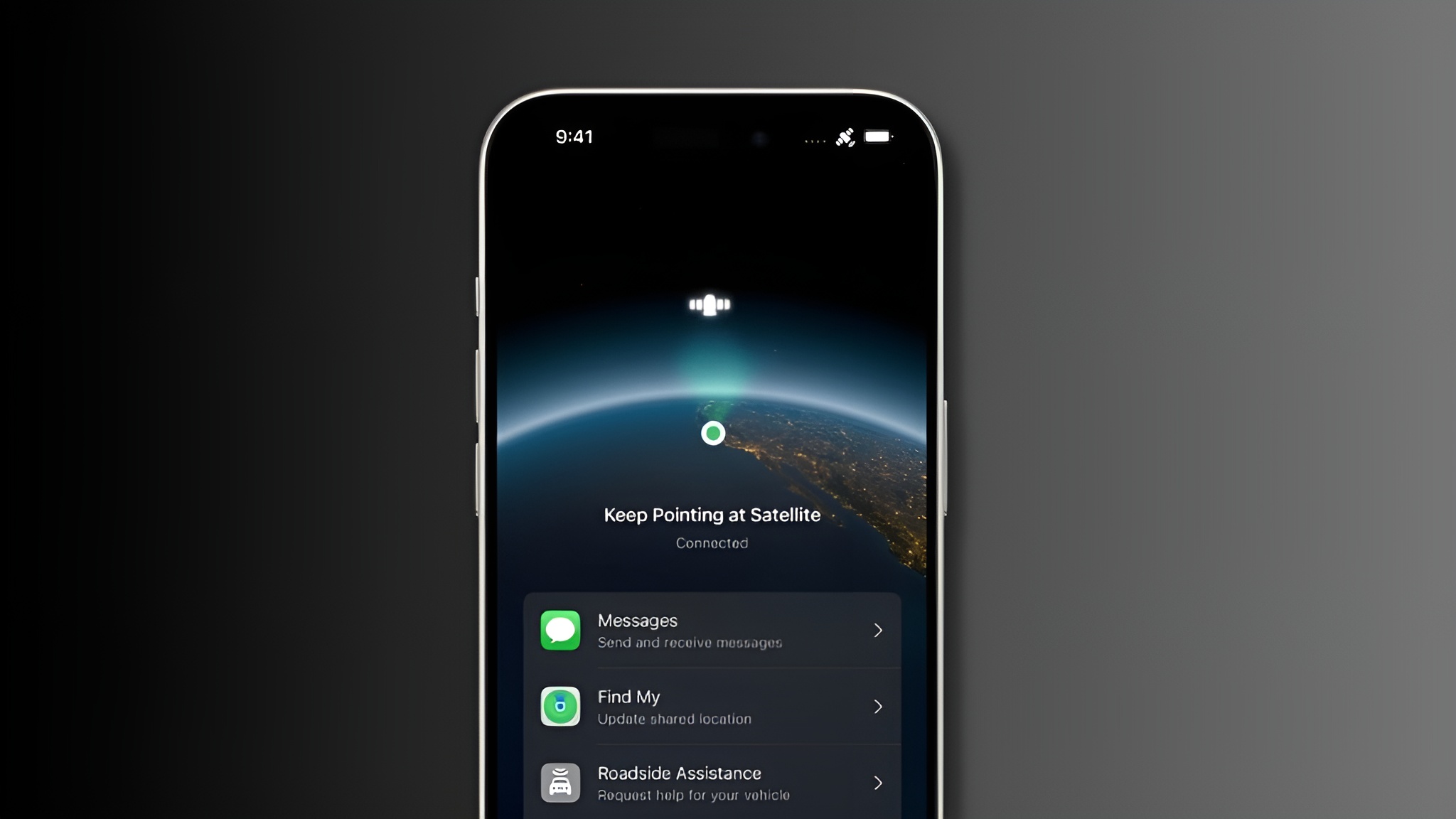
Beyond connectivity, Apple is reportedly planning to introduce an API for third-party developers, allowing apps to leverage satellite links for real-time data transmission—potentially unlocking new use cases in fields like telemedicine, remote monitoring, and even augmented reality applications.
The partnership would solidify SpaceX’s dominance in satellite-based communications, following its $17 billion acquisition of EchoStar’s wireless spectrum. With Apple avoiding the regulatory burdens of becoming a carrier, the integration of Starlink’s tech could redefine how the iPhone operates in global markets—particularly in rural or underserved regions where traditional cellular networks struggle.
While no official announcement has been made, industry sources suggest the feature could debut with the iPhone 18 Pro models, pending final negotiations. The move would further blur the lines between satellite and cellular networks, setting a precedent for future smartphone connectivity.