The Apple A19 Pro chip has emerged as a standout performer in the mobile processor market, not just through raw speed but through its ability to execute more instructions per CPU clock cycle than any of its direct rivals. This shift marks a departure from the traditional focus on clock speeds alone, emphasizing efficiency as a key differentiator for enterprise-grade devices.
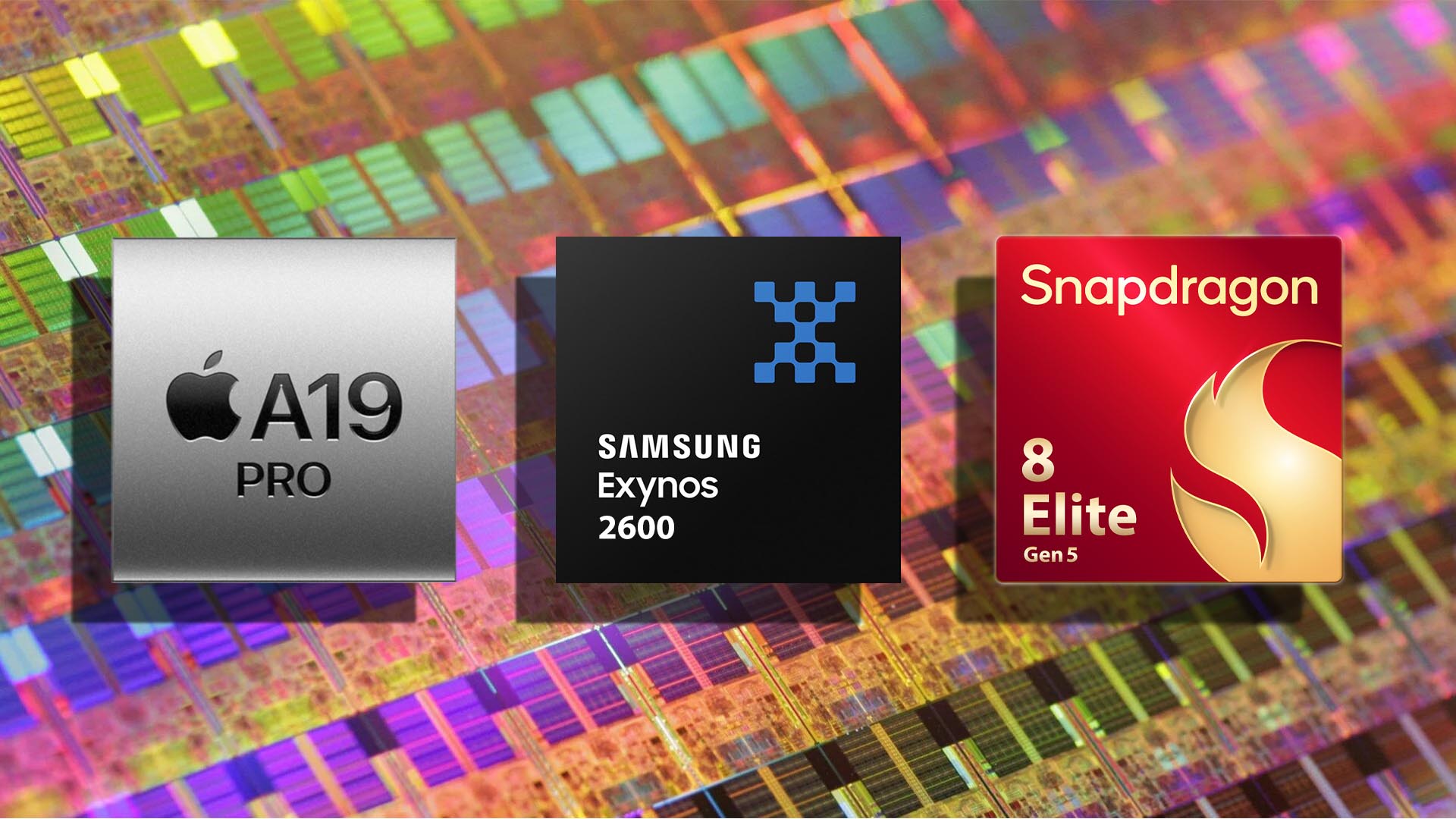
In a landscape where processors like the Dimensity 9500 and Snapdragon 8 Elite Gen 5 dominate benchmarks, the A19 Pro distinguishes itself by delivering 13% more instructions per cycle than the Dimensity 9500. Against the Snapdragon 8 Elite Gen 5, it holds a 10% advantage, while edging out the Exynos 2600 by 6%. These gains translate to tangible improvements in workflow performance for enterprise users, where efficiency directly impacts battery life and thermal management.
This new generation of Apple’s chip builds on a legacy of optimization. Previous iterations already set high bars for power efficiency, but the A19 Pro pushes those limits further. The result is a processor that doesn’t just keep pace with competitors but redefines what’s possible in terms of performance per watt.
For enterprise buyers, this means more sustainable workloads without sacrificing speed. The tradeoff lies in thermal constraints and power consumption, areas where the A19 Pro demonstrates its sophistication by balancing performance with real-world usability. It’s a shift that could influence how future mobile processors are designed, prioritizing not just raw metrics but the practical implications for users.
The A19 Pro’s efficiency gains position it as a benchmark for others to match. While competitors continue to push clock speeds higher, Apple’s approach suggests that the next frontier in mobile computing may lie in smarter execution rather than faster cycles alone.