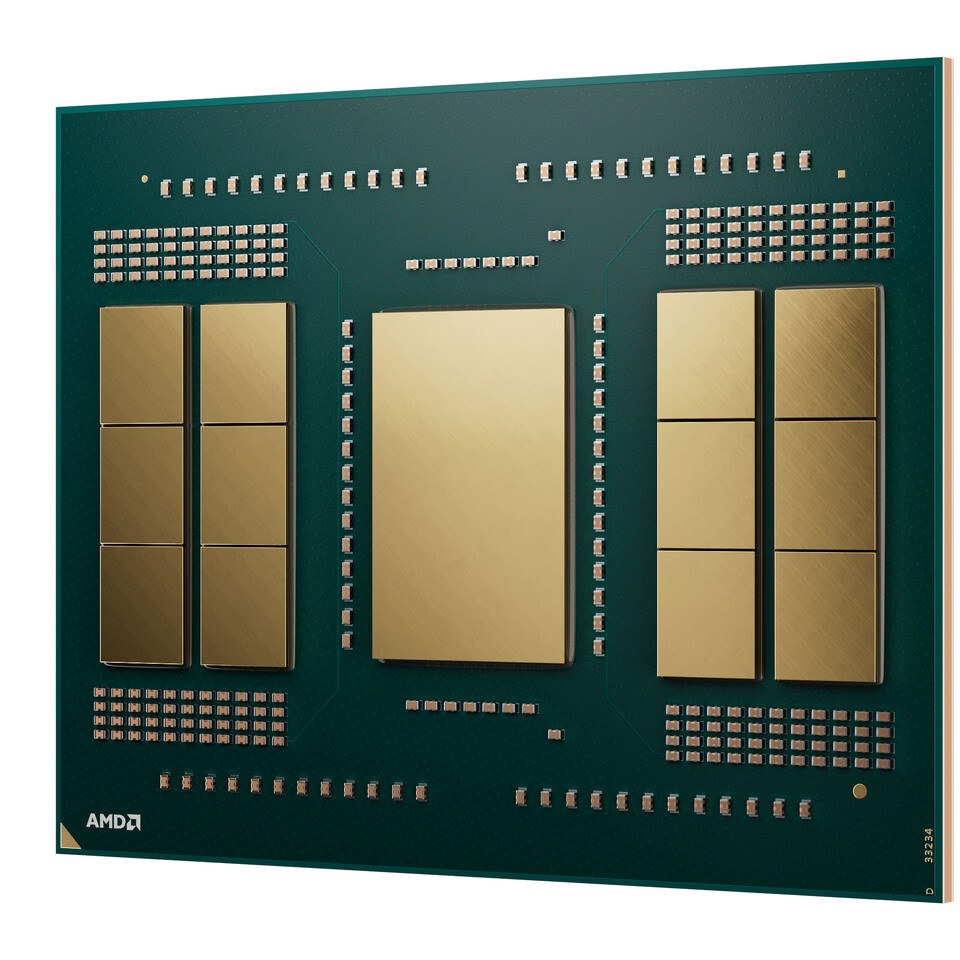
AMD's latest Threadripper TR6 platform, internally codenamed 'Mustang Peak,' marks a substantial leap forward for workstation-grade processors. Built on the Zen 6 architecture and manufactured using TSMC's advanced 2 nm process node, this new generation is poised to deliver unmatched performance for data-intensive workloads while introducing PCIe 6.0 support—a first for consumer desktop platforms.
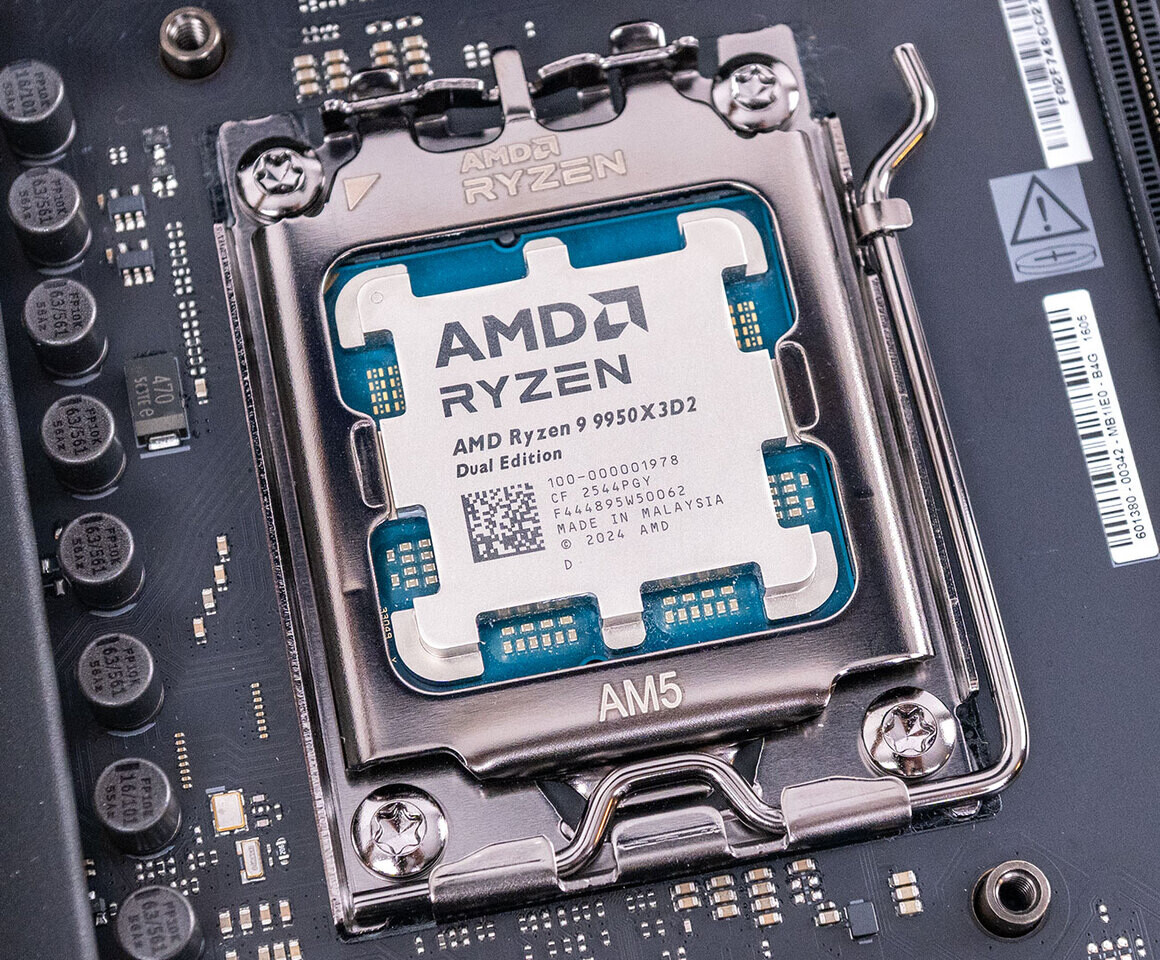
The TR6 platform represents a complete overhaul from its predecessor, the TR5 socket. With an expected increase in pin count—likely surpassing the previous 4,844 pins—AMD is addressing the demands of higher bandwidth and power efficiency. This transition also includes support for DDR5 memory, ensuring compatibility with next-generation system requirements.
Key Specifications and Advancements
- Architecture: Zen 6, manufactured on TSMC's 2 nm node for core clusters (CCDs) and 3 nm for I/O dies (IODs).
- Core Configuration: Up to 144 cores and 288 threads in the highest-end models, a significant jump from the previous generation's 96-core, 192-thread maximum.
- Memory Support: DDR5 with PCIe 6.0 integration, doubling per-lane bandwidth compared to PCIe 5.0.
- Socket Transition: Replaces the TR5 socket with a new TR6 design, accommodating increased pin count and power delivery needs.
The shift to Zen 6 introduces a more efficient core-per-cluster (CCD) configuration, moving from 8 cores per CCD in Zen 5 to 12 cores per CCD. This change is expected to provide a noticeable performance boost while maintaining or improving power efficiency—a critical factor for enterprise and high-performance computing workloads.
Why It Matters for Workstation Users
The TR6 platform isn't just about raw numbers; it reflects AMD's focus on addressing the evolving needs of professional users, particularly in AI, rendering, and data processing. The introduction of PCIe 6.0 support, for instance, future-proofs the platform for next-generation GPUs like the RTX 5090 and RX 9070 XT, which are likely to leverage this increased bandwidth for accelerated performance.
For businesses and enthusiasts upgrading their workstations, timing will be key. While no official launch date has been announced, industry trends suggest that server-grade EPYC Zen 6 processors may arrive first, followed by consumer Ryzen and finally the Threadripper HEDT lineup. Pricing for the TR6 platform is also expected to reflect its premium positioning, potentially aligning with the $5,000 range seen in high-end GPUs like the RTX 5090.
Looking ahead, the TR6 platform sets a new standard for workstation performance. Its combination of advanced architecture, increased core count, and next-generation I/O support positions it as a critical upgrade path for those invested in high-performance computing. For now, users should monitor AMD's official announcements for confirmation on availability, pricing, and exact specifications—though the direction is clear: this platform is built to push the boundaries of what's possible in desktop computing.