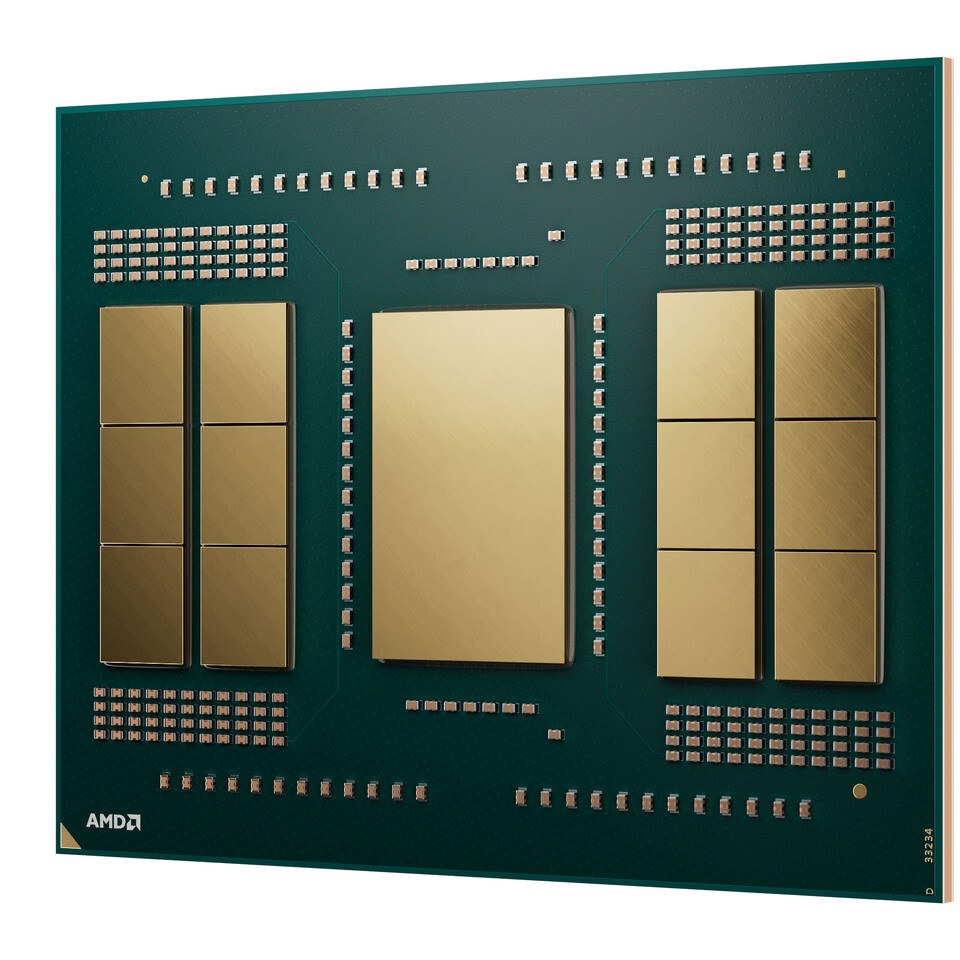
AMD’s latest generation of consumer Ryzen CPUs, including the Ryzen 7 9700X, no longer support Transparent Secure Memory Encryption (TSME), a feature that has been standard across its lineup since Zen architecture. The change, confirmed through testing and internal documentation, means TSME is now exclusive to AMD PRO processors, marking a shift in how the company segments its product lines.
The removal of TSME—designed to encrypt memory contents against physical exploits—was not publicly announced but became apparent during firmware checks on Zen 5-based chips. Under AGESA 1.2.7.0 and later builds, the feature is disabled at both software and hardware levels, leaving consumer systems vulnerable to certain attack vectors that previously required specialized hardware access.
This isn’t AMD’s first move to differentiate its professional and consumer product stacks. Similar restrictions have been applied to DDR5 ECC support on AM5 motherboards, further narrowing the overlap between Ryzen Pro and mainstream chips. For users reliant on memory encryption—common in data centers or high-security environments—the transition means upgrading to a PRO CPU or finding alternative security measures.
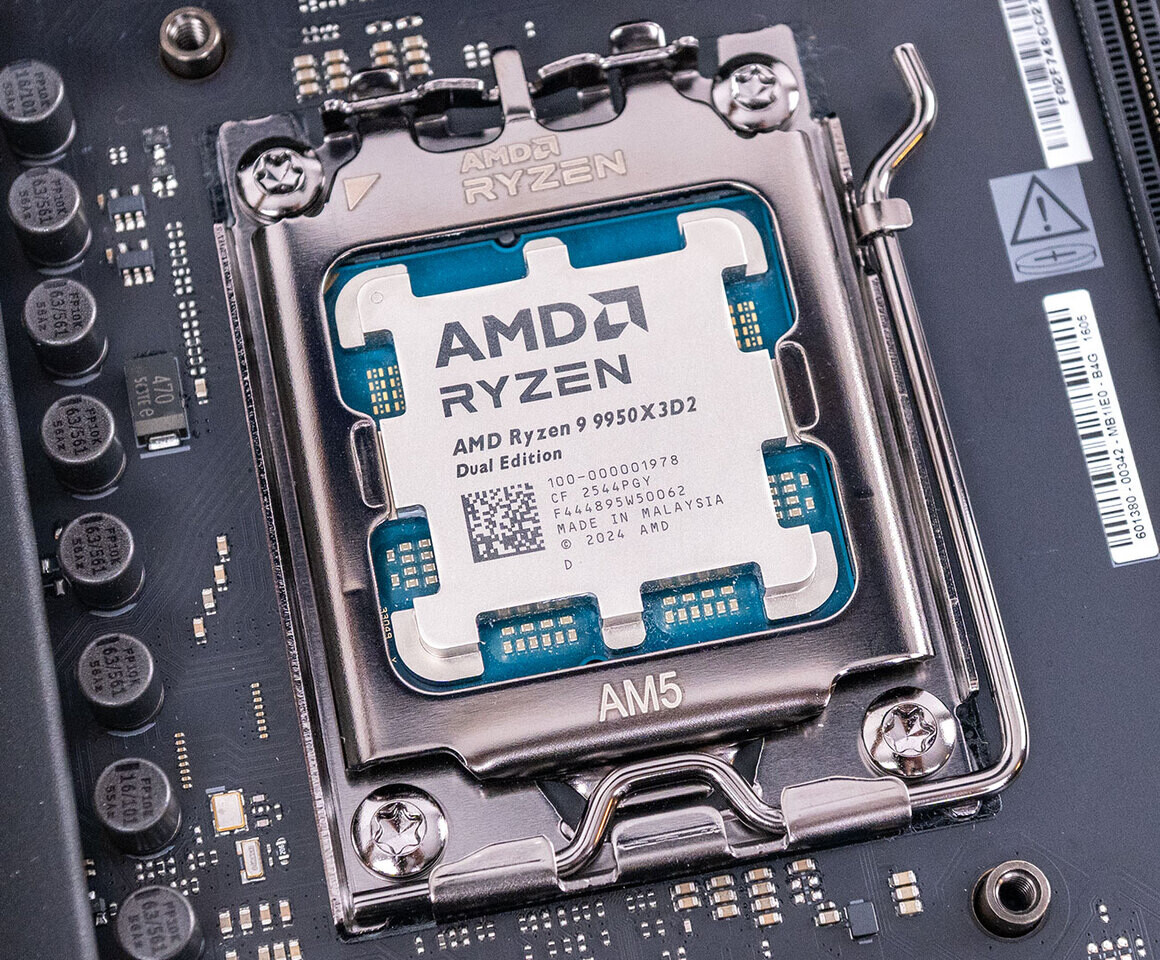
- TSME Status: Disabled in consumer Ryzen 9000 series (Zen 5), enabled only in Ryzen Pro and Threadripper models.
- Firmware Impact: AGESA 1.2.7.0+ systematically disables TSME; no BIOS toggle remains for consumer chips.
- Architecture Context: TSME was introduced with Zen (1st-gen Ryzen) and previously available across all Ryzen families, including APUs.
- Enterprise Alternative: Ryzen Pro 9000 series retains TSME alongside other security features like Secure Boot and virtualization enhancements.
The shift raises questions about AMD’s long-term roadmap for consumer security features. While TSME was never heavily marketed to end users, its absence could leave some workloads exposed, particularly in edge computing or multi-tenant systems where physical memory isolation is critical. For now, the change appears to be a deliberate product segmentation strategy rather than a response to technical limitations.
Looking ahead, the exclusion of TSME from consumer chips may prompt developers and system integrators to reconsider hardware choices for security-sensitive applications. If AMD continues this trend with other features, it could further complicate the decision-making process for those balancing cost and security in their infrastructure.