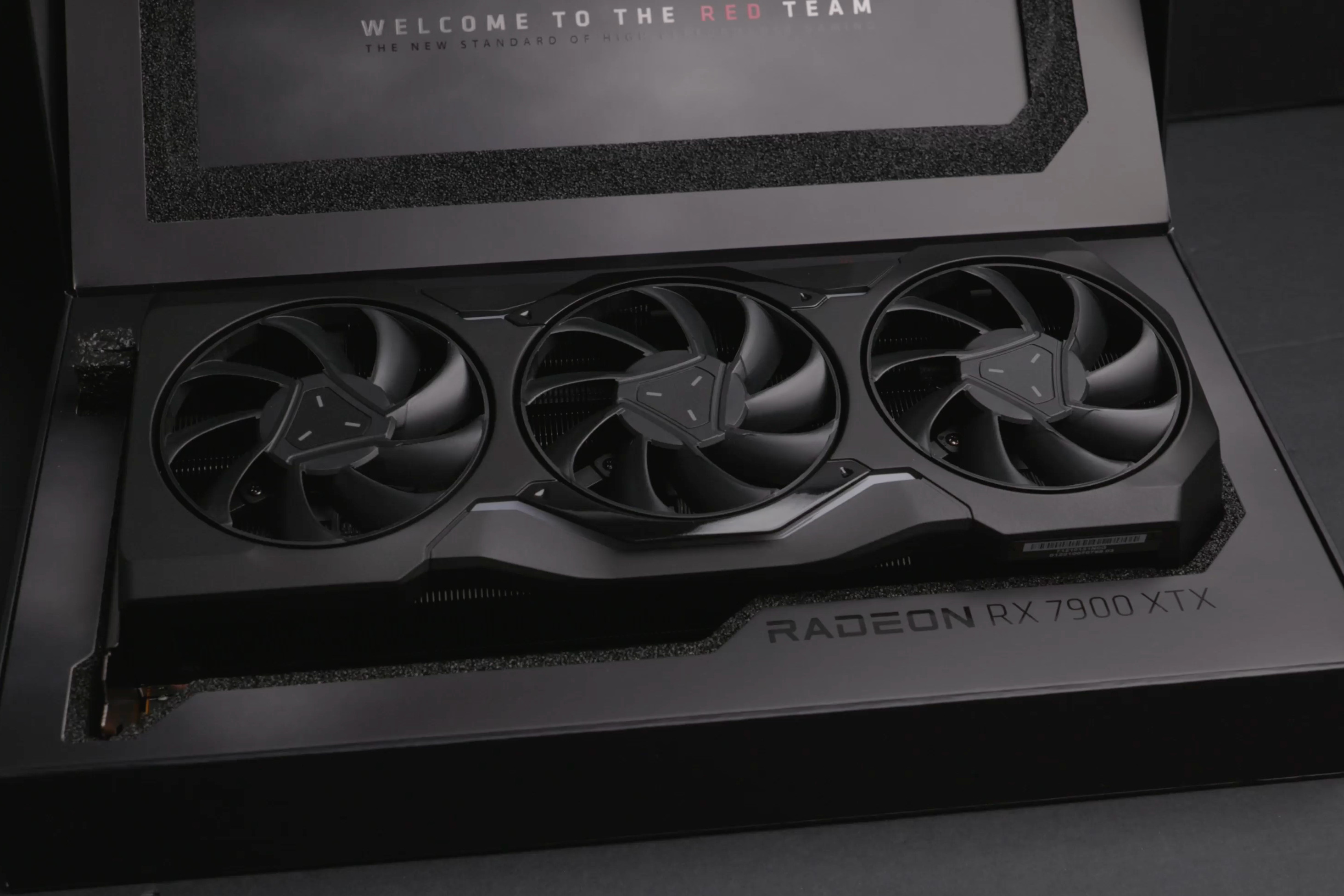
AMD's latest driver release, Adrenalin Edition 26.5.2, brings immediate support for two major game titles while addressing some of the most pressing issues plaguing its newest GPU lineup. The RX 9000 series, built on RDNA 3 architecture and Zen 4 cores, represents a significant leap in performance with a 3 nm process and up to 200 W TDP. Yet, despite these advancements, stability concerns remain a persistent challenge for users.
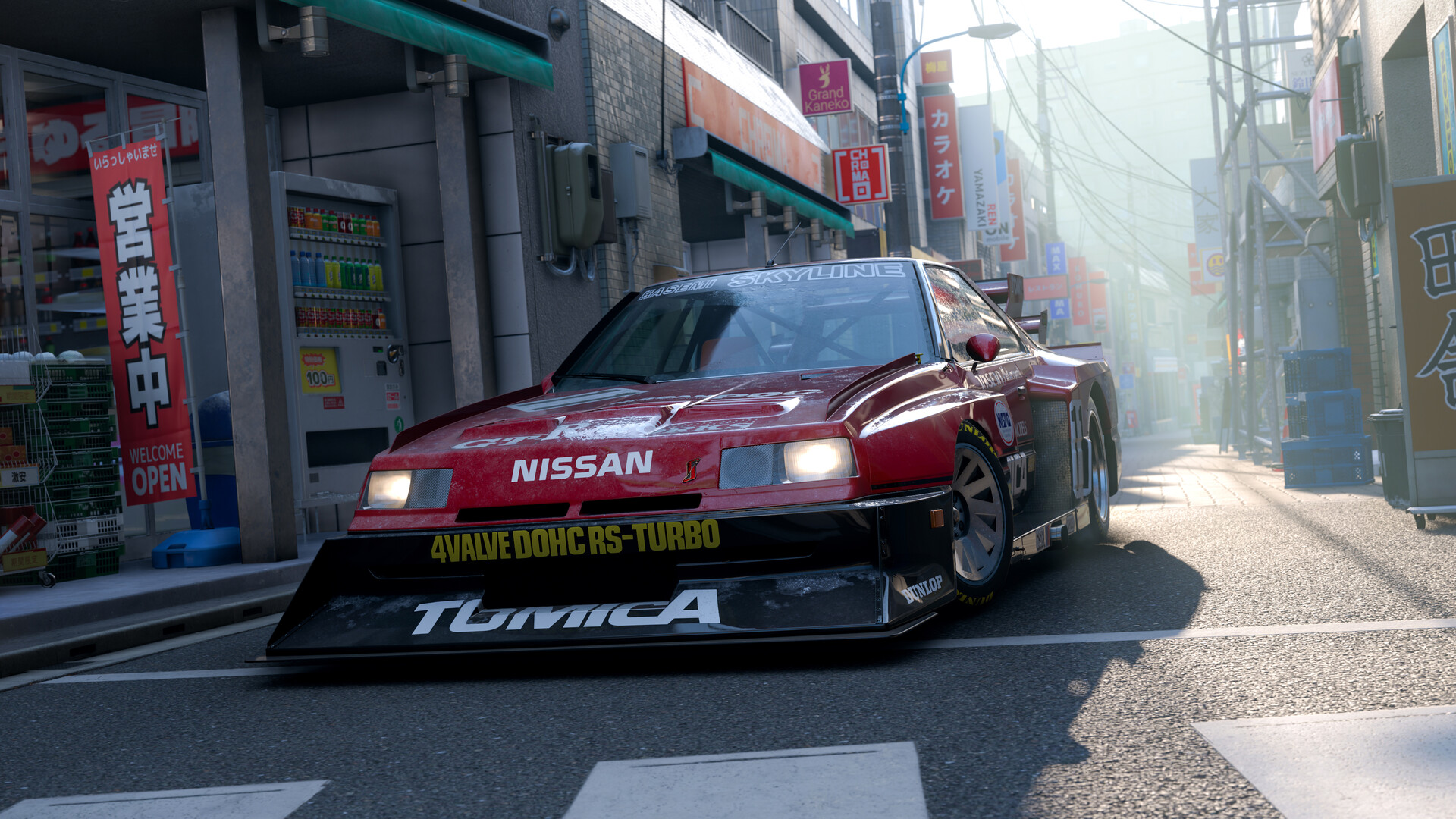
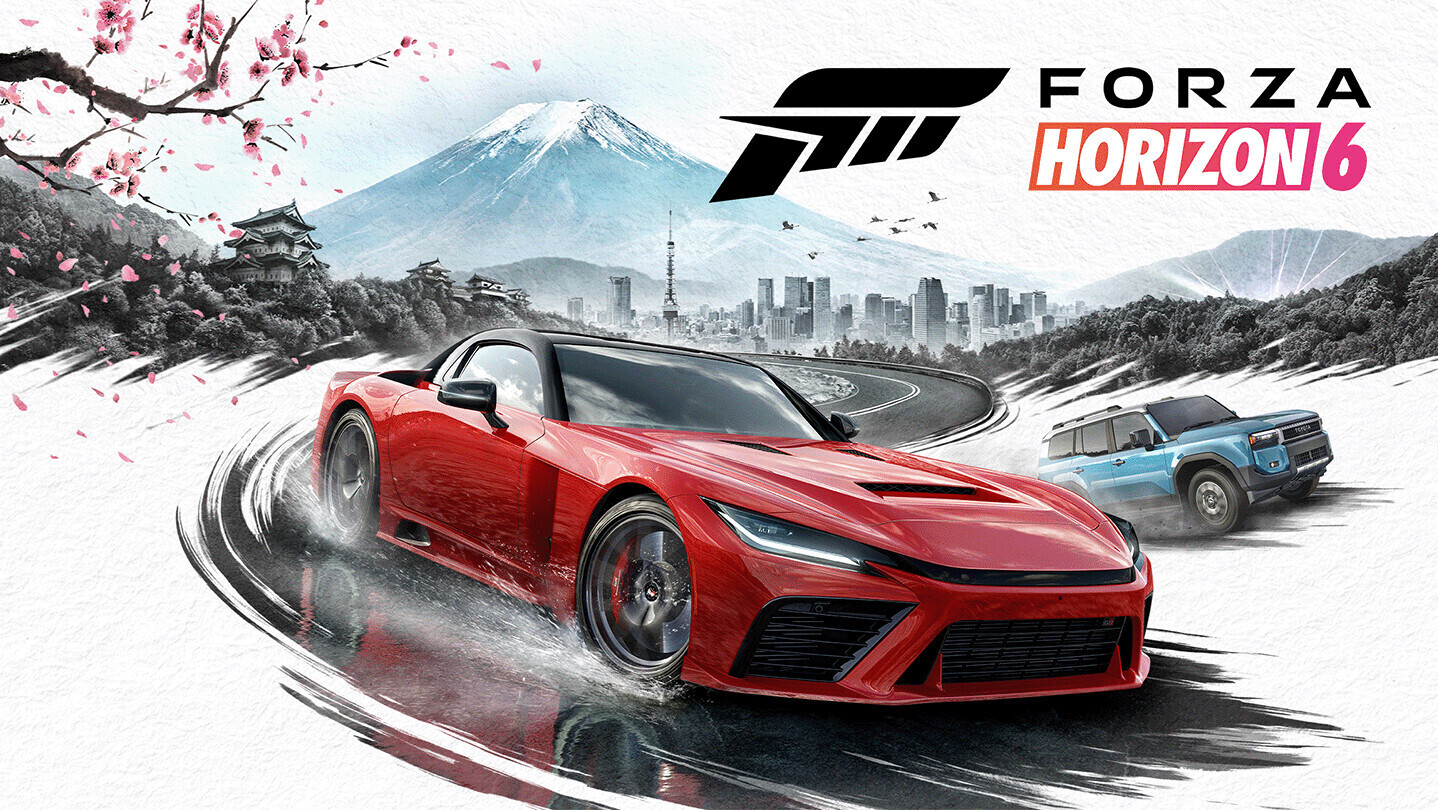
The update includes day-one compatibility for Forza Horizon 6 and 007 First Light, both of which require substantial computational resources. This move underscores AMD's strategy to establish its hardware as a leader in performance-driven gaming. However, beneath this surface-level progress, deeper stability issues have emerged, casting doubt on the series' long-term viability.
Key Specifications and Performance
- New Game Support: Forza Horizon 6 and 007 First Light (RX 9000 series)
- Fixed Issues:
- Intermittent driver timeouts in RoadCraft (RX 9000)
- Graphical corruption in Satisfactory (RX 9000)
- Known Issues:
- Battlefield 6: crashes, texture corruption, inactive FSR reporting (RX 9000 with Ryzen AI 9 HX 370)
- Blender instability (RX 7000 and newer)
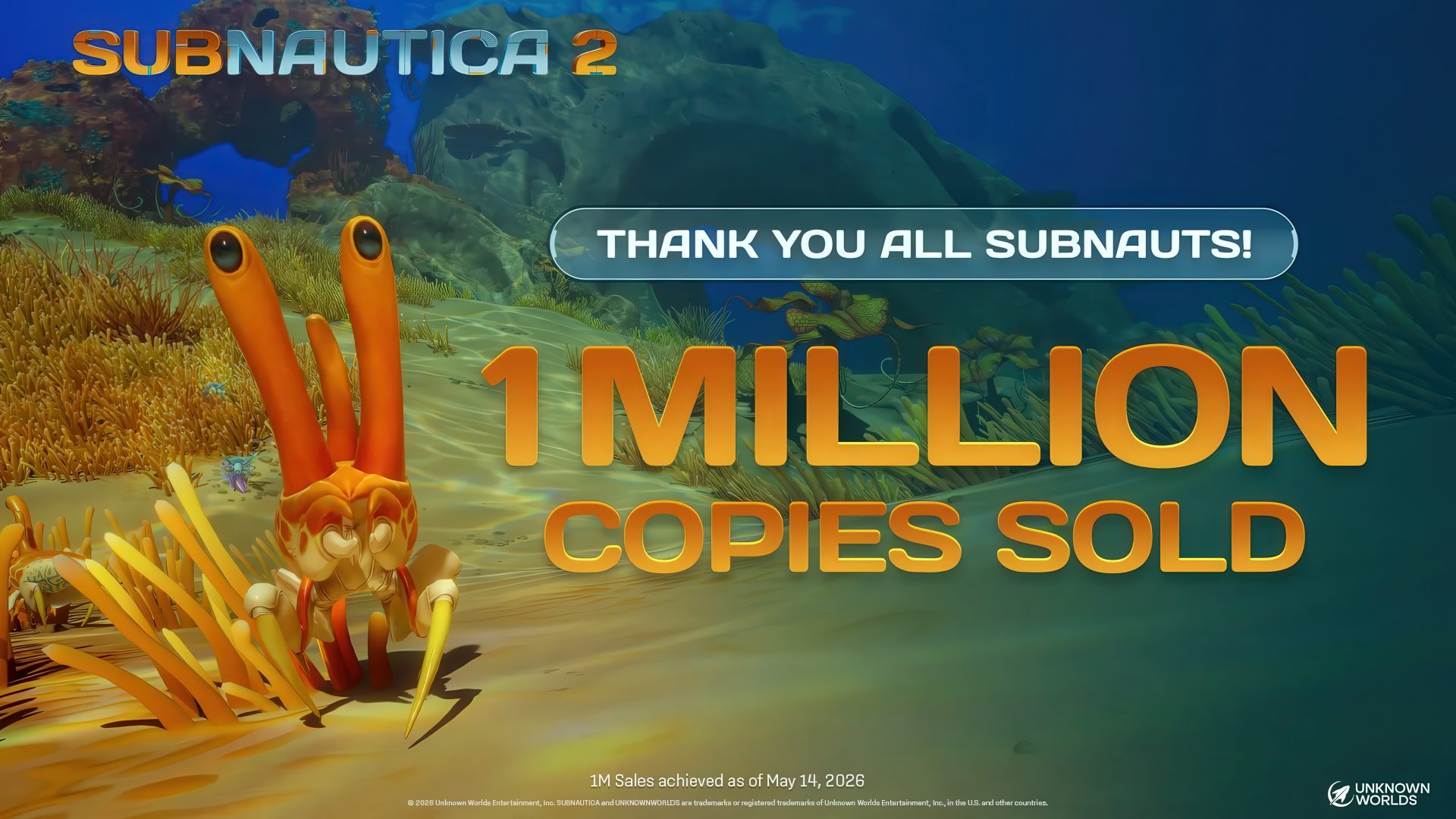
- Subnautica 2 & Marvel Rivals: intermittent crashes (RX 9000, rollback recommended to Adrenalin 26.3.1)
The update addresses some immediate pain points for RX 9000 owners, such as driver timeouts in RoadCraft and graphical corruption in Satisfactory. However, these fixes come against a backdrop of deeper, unresolved problems. Battlefield 6 remains particularly troublesome, with crashes and texture corruption persisting even after the latest patch. Additionally, AMD's FSR upscaling technology shows as inactive in some configurations, which undermines the performance gains the RX 9000 was designed to deliver.
Stability and Future Prospects
The RX 9000 series was positioned as a significant leap forward in raw performance, leveraging a 3 nm process and advanced architecture. However, if core applications like Battlefield 6 and Blender remain unstable, the question arises: how much of this potential is actually accessible to users? For content creators and competitive gamers, stability isn't just a preference—it's a requirement. A GPU that stumbles on titles like Blender or crashes intermittently in Subnautica 2 can't be considered future-proof, regardless of its theoretical specs.
AMD's driver team is aware of these issues and is actively working to resolve them, particularly the instability in Battlefield 6. However, the timeline for these fixes remains uncertain. In the meantime, users affected by crashes in Subnautica 2 or Marvel Rivals are advised to roll back to Adrenalin 26.3.1—a workaround that highlights the fragility of the current ecosystem.
The latest update doesn't solve these deeper problems, but it does signal AMD's intent to push forward. Whether this momentum will translate into a stable, high-performance platform remains an open question—one that will define the RX 9000's place in the market. As AMD continues to refine its driver landscape, the balance between performance and stability will be crucial in determining the series' success.