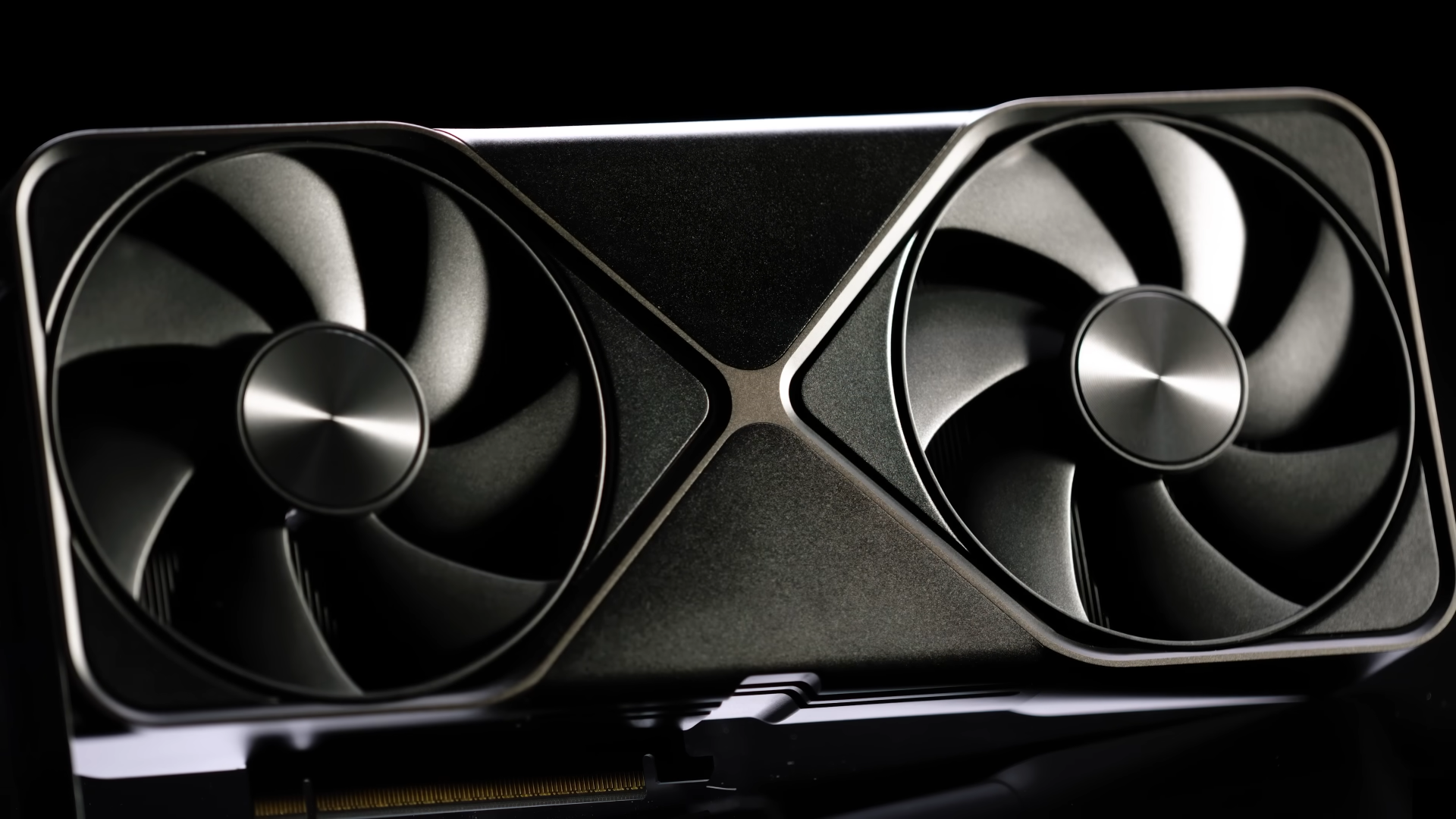
NVIDIA’s RTX 5090 has entered the market with a specification that forces a recalibration of how PC builders think about efficiency in high-end GPUs. The card’s combination of 24GB GDDR7 memory, a boost clock of 3.1 GHz, and a TDP of just 350 watts—down from previous generations—suggests a shift toward denser, cooler, and more power-conscious designs.
This is not merely an incremental upgrade. The RTX 5090’s memory capacity alone positions it as the go-to solution for workloads that strain single-GPU setups, such as high-resolution rendering or AI training on consumer hardware. But the real story lies in how NVIDIA has balanced raw performance with thermal output, a critical factor in systems where case airflow and power draw are increasingly constrained by modern PSU and cooling market dynamics.
The card’s 24GB GDDR7 memory is paired with an architecture that prioritizes bandwidth efficiency. While previous GPUs relied on higher clock speeds to compensate for memory bottlenecks, the RTX 5090 achieves similar throughput with lower thermal output per watt, a tradeoff that could redefine benchmarks in both gaming and professional applications.
Key Specifications
- Memory: 24GB GDDR7, 320-bit bus, 18 Gbps effective clock
- Boost Clock: 3.1 GHz (base clock not specified)
- TDP: 350 watts (estimated)
- Architecture: NVIDIA’s next-generation core, optimized for memory bandwidth efficiency
- Outputs: Dual HDMI 2.1, DisplayPort 2.1 (4K@165Hz, 8K@60Hz)
The RTX 5090’s specifications suggest a card that is built for environments where power draw and heat are as important as performance. The 350-watt TDP, if confirmed, would place it in the lower tier of high-end GPUs, making it more accessible for builds with limited cooling or power supply headroom. This is particularly relevant in markets where PSU efficiency and case airflow have become bottleneck factors, not just in performance but in long-term reliability.

For PC builders, the RTX 5090 represents a pivot away from the brute-force approach of previous generations. The focus on memory bandwidth rather than raw clock speeds means that the card is better suited for tasks where data throughput is the limiting factor—such as AI inference or high-resolution texture processing—rather than sheer FPS in traditional gaming scenarios.
Market Implications
- The RTX 5090 challenges existing alternatives by offering more memory without proportional increases in power draw, a critical advantage for professional workloads.
- The reduced TDP could make it the preferred choice for builds with limited cooling capacity or where PSU wattage is a constraint.
Looking ahead, the RTX 5090’s success will hinge on whether NVIDIA can sustain this efficiency without sacrificing performance in real-world scenarios. If the card delivers on its promise of cooler, more power-efficient operation, it could set a new standard for high-end GPUs—one that prioritizes not just raw metrics but also the practical constraints of modern PC builds.