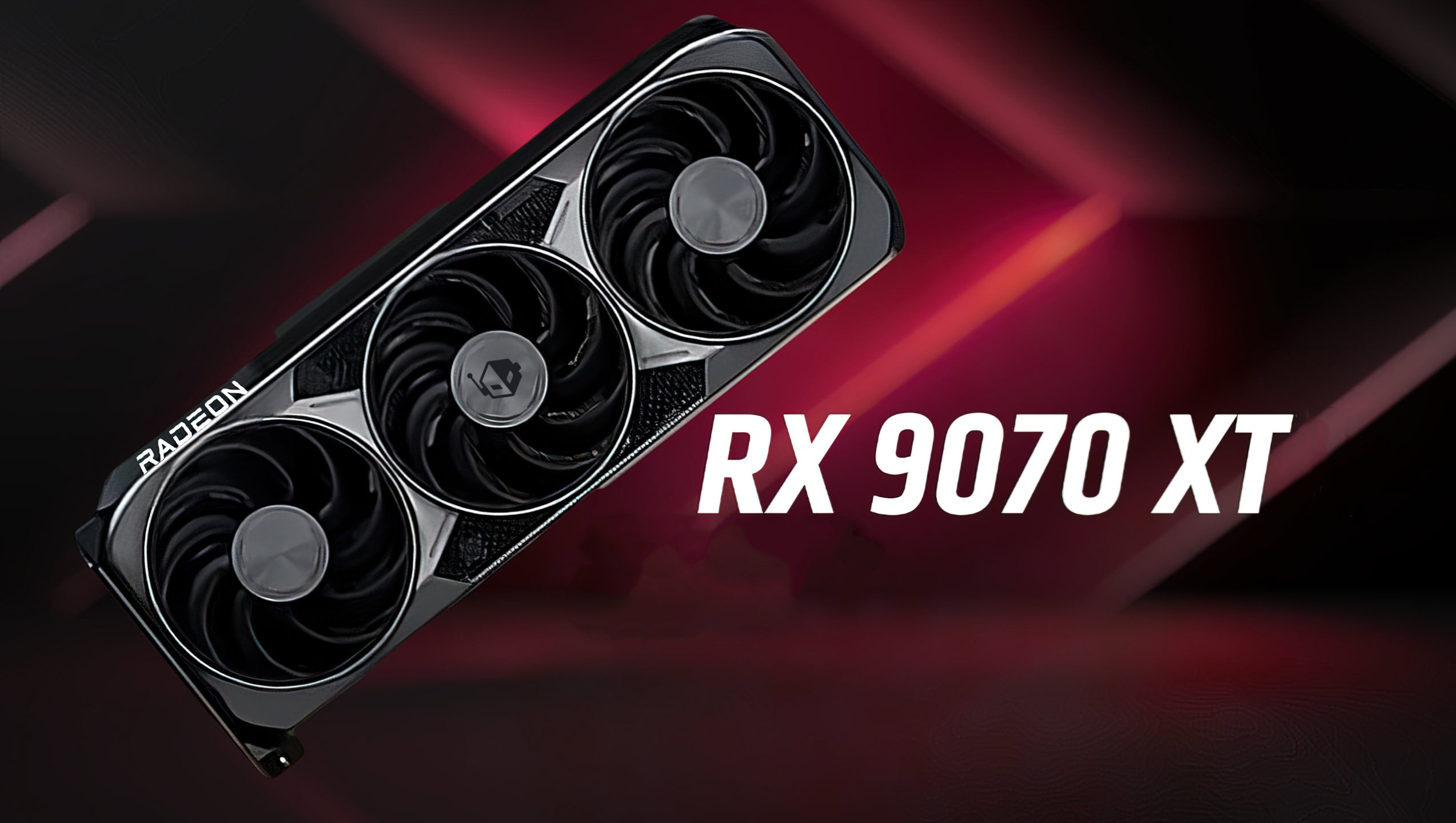
The GPU market’s latest casualty isn’t a high-end flagship—it’s AMD’s mid-range RDNA 4 lineup, where skyrocketing prices have triggered a buyer exodus. Retailers in Japan, a key testbed for global pricing trends, are now slashing list prices by 15–20% for the Radeon RX 9070 XT and RX 9060 XT after demand plummeted under the weight of aggressive markups.
Just weeks ago, the RX 9070 XT was commanding prices near $840 in some regions, a far cry from its initial launch targets. Now, with the lowest listed price dipping to $770 and averages falling from $840 to $770, the message is clear: gamers have hit their tolerance limit. The RX 9060 XT, once priced at $562, has followed suit, now sitting at $458—a 20% reduction that reflects broader market fatigue.
The Problem: A Budget Lineup That Lost Its Edge
AMD’s RX 9000 series was designed to compete in the $400–$700 sweet spot, offering a balance of performance and VRAM for 1080p and entry-level 1440p gaming. But as memory prices surged—dubbed ‘RAMmageddon’ by industry watchers—the cost of producing these GPUs ballooned. Instead of absorbing the hit, AMD passed the burden to consumers, triggering a backlash.
The RX 9070 XT, in particular, became the poster child for overpricing. Launched at a competitive $650, it quickly climbed to $800 before retailers began frantically discounting stock. The RX 9060 XT, while cheaper, saw a similar fate: its 16GB variant peaked at $562 before dropping to $458. Both models now sit well above their NVIDIA RTX 50-series competitors—particularly the RTX 5070 Ti, which remains priced at $650—further eroding AMD’s value proposition.
What Changed: Retailers Panic as Shelves Empty
In Japan, where GPU pricing often serves as a barometer for global trends, the writing was on the wall. Stockists reported near-zero sales for RDNA 4 GPUs, forcing them to slash prices to clear inventory. The RX 9070 XT’s peak of 130,000 yen ($840) now sits at 108,000 yen ($770), while the RX 9060 XT’s 87,000 yen ($562) peak has fallen to 71,000 yen ($458). The correction isn’t just cosmetic—it’s a acknowledgment that AMD’s pricing strategy has alienated its core audience.
Contrast this with NVIDIA’s RTX 50-series, which has seen less dramatic fluctuations. Models like the RTX 5090 ($1,200), RTX 5080 ($800), and RTX 5070 Ti ($650) remain more stable, partly due to their stronger performance-per-dollar appeal in high-end and mid-range segments. AMD’s misstep highlights a critical truth: even mid-tier GPUs can’t survive on hype alone when the math stops adding up.
Why It Matters: The Budget GPU Death Spiral
The RX 9000’s plight is a microcosm of a larger industry shift. When GPU prices inflate faster than performance gains, consumers vote with their wallets—and right now, AMD’s mid-range lineup is getting voted off the island. The RX 9070 XT’s 20% price drop isn’t just a correction; it’s a warning to other manufacturers that the market won’t tolerate endless markups without consequences.
For gamers, the fallout is mixed. Those hunting for a $600–$700 GPU now have more options, but the RX 9000’s reputation has taken a hit. Will the price cuts stick, or will AMD attempt another hike? One thing is certain: the era of ‘budget’ GPUs priced like premium models is over—at least for now.
Key Specs: RX 9000 Series at a Glance
- Radeon RX 9070 XT:
- Price: $770 (after peak of $840)
- VRAM: 16GB GDDR6
- Bus Width: 256-bit
- Target Resolution: 1440p (1080p+ with DLSS/FSR)
- Launch Price: ~$650
- Radeon RX 9060 XT:
- Price: $458 (after peak of $562)
- VRAM: 16GB GDDR6
- Bus Width: 128-bit
- Target Resolution: 1080p (with upscaling)
- Launch Price: ~$400 (estimated)
- Comparison:
- NVIDIA RTX 5070 Ti: $650, 12GB GDDR6X, 192-bit
- NVIDIA RTX 5080: $800, 16GB GDDR6X, 256-bit
- NVIDIA RTX 5090: $1,200, 24GB GDDR6X, 384-bit
The RX 9000 series was meant to bridge the gap between AMD’s high-end RDNA 4 cards and NVIDIA’s mid-range offerings. But with prices now exceeding competitors in key segments, the question remains: Can AMD regain its footing, or will this become a cautionary tale about ignoring market signals?