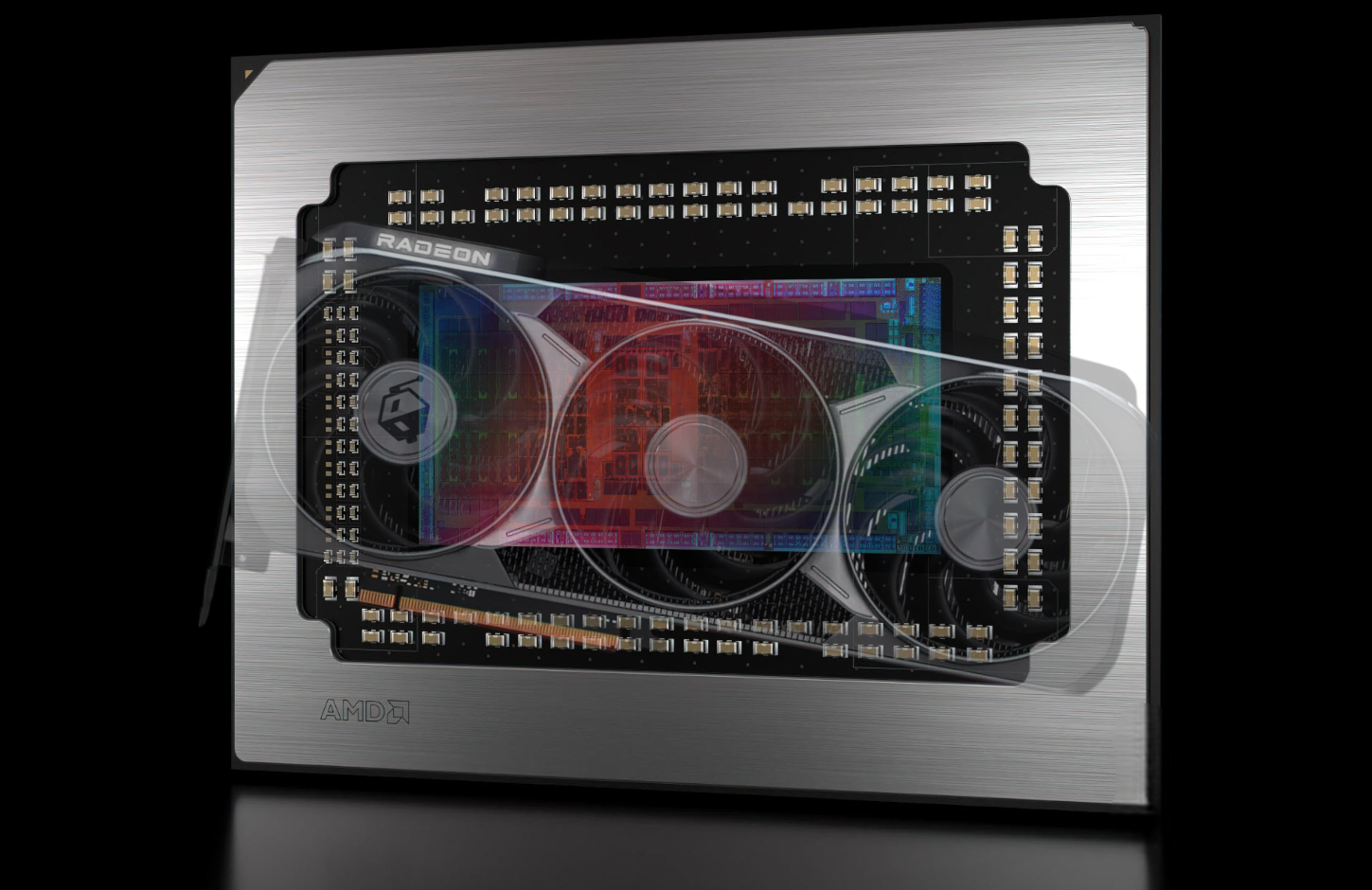
AMD's next-generation RDNA 5 graphics architecture, codenamed 'AT0,' could see a limited release for gamers, potentially echoing the strategy behind its Radeon VII launch. However, the path to this GPU is fraught with uncertainty, including reports of a possible cancellation and challenges in securing production quantities.
The AT0 chip, rumored to feature up to 96 compute units, represents AMD's ambition to reclaim a foothold in the high-end gaming market—a segment currently dominated by NVIDIA's RTX 5090. If this GPU materializes, it would likely position itself as a mid-to-high-tier offering, possibly priced between $700 and $1000, rather than competing directly with NVIDIA's flagship models in the $2000+ range.
Key Specs and Positioning
- Compute Units: Up to 96 CUs (12288 cores) for the flagship model, with lower-tier variants expected at 40, 24, and 12 CUs.
- Memory Bus: Flagship models could feature a 512-384 bit bus, while mid-range options may include 384-192 bits or lower.
- VRAM Capacity: Flagship GPUs rumored to support up to 32GB of VRAM, with mid-tier models offering 16-24GB and entry-level variants at 8-16GB.
The potential lineup suggests a tiered approach, similar to AMD's RDNA 4 strategy, which positioned the RX 7900 XTX as a strong competitor to NVIDIA's RTX 5070 Ti and even the RTX 5080 in some titles. However, the AT0's success hinges on overcoming production challenges and navigating a market where NVIDIA has firmly established dominance.
Challenges and Uncertainty
The AT0 GPU's journey to market is not without obstacles. Reports indicate that the flagship variant may have been canceled, though AMD has not confirmed this. If it does launch, it could follow a pattern of limited production, akin to the Radeon VII, which was originally designed for high-performance computing (HPC) before being repurposed for gaming. This approach would imply a cautious re-entry into the enthusiast segment, where demand for high-end GPUs remains strong but competitive.
Additionally, the current memory crisis has delayed or canceled several GPU launches this year, including NVIDIA's RTX 50 SUPER series and Intel's Arc B770. This environment of uncertainty could further complicate AMD's plans for RDNA 5, leaving its timeline and final configuration speculative at best.
A Glimpse into the Future
Even if the AT0 GPU does not materialize in its current form, AMD's strategy for RDNA 5 suggests a focus on mid-tier offerings that balance performance with affordability. This aligns with the company's shift away from the high-end segment, where it struggled to compete effectively against NVIDIA. The upcoming CPU landscape, with Intel's Nova Lake-S and AMD's Zen 6 plans, may also influence how RDNA 5 is positioned, potentially creating a more balanced ecosystem for enthusiasts.
For now, gamers and industry watchers will have to wait for official announcements to determine whether the AT0 GPU will become a reality. If it does, it could signal AMD's renewed commitment to the high-end market, but only if production constraints are overcome and demand remains strong in an increasingly competitive landscape.