AMD has appointed Ariel Kielman, a veteran of Salesforce and Amazon Web Services, as its new Chief Marketing Officer, marking a strategic pivot that could reshape how the company positions itself in the tech industry. While AMD’s hardware—from gaming GPUs to data center chips—remains a cornerstone of its success, Kielman’s arrival suggests a deliberate push toward AI-driven infrastructure, a sector where Nvidia currently dominates.
The move comes at a time when AMD is expanding its portfolio beyond consumer graphics cards. The company’s latest RDNA 4 architecture, though promising, has faced criticism for pricing and availability, leaving room for speculation about how Kielman will reframe AMD’s narrative. His background in scaling enterprise solutions at Salesforce and AWS hints at a focus on data centers and AI workloads—areas where AMD’s EPYC processors and Instinct accelerators are competing with Nvidia’s dominance.
The AI Gambit: Why AMD Needs a New Marketing Strategy
has become the defining battleground for chipmakers, with cloud providers and enterprises demanding high-performance accelerators to train and deploy machine learning models. AMD’s Instinct MI300X, a direct rival to Nvidia’s H100, is a step in that direction, but adoption hinges on more than just hardware—it requires a compelling story about performance, cost efficiency, and ecosystem support. Kielman’s role will be critical in shaping that narrative, especially as AMD seeks to differentiate itself in a market where Nvidia holds a near-monopoly.
Yet, the appointment raises questions about AMD’s priorities. While gaming remains a passion point for many PC enthusiasts, the company’s recent struggles—such as the RTX 5090’s absence and the RDNA 4 launch’s turbulence—highlight a need for clarity. Will Kielman address these gaps, or will AMD’s focus remain firmly on enterprise and AI? For now, the answer lies in how the company leverages his expertise to bridge the gap between innovation and market perception.
From Salesforce to AMD: A Focus on Data Centers Over Gaming
Kielman’s tenure at Salesforce, where he oversaw marketing for the company’s Agentforce AI platform, underscores his alignment with AMD’s current strategy. Salesforce’s push into AI-driven customer service mirrors AMD’s own bets on accelerated computing for large-scale AI workloads. His departure from Salesforce coincides with a broader executive reshuffle, suggesting AMD sees value in his ability to translate enterprise marketing into a tech-driven brand story.
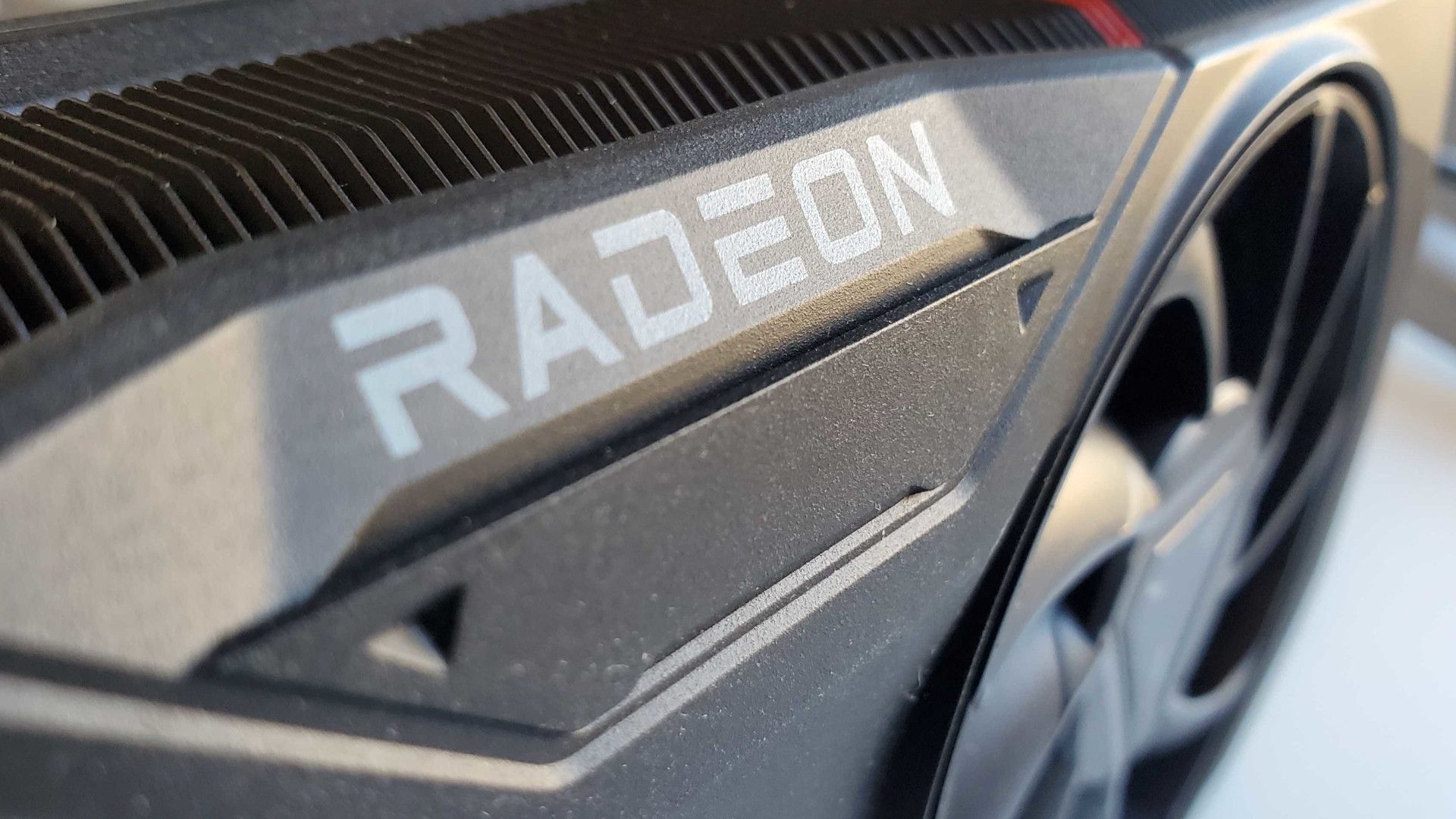
For AMD’s gaming division, however, the appointment may feel like a step back. The company’s RDNA 3 and RDNA 4 architectures have struggled to compete with Nvidia’s RTX 50 series in both performance and pricing. While Kielman might not directly influence hardware decisions, his influence on messaging could determine whether AMD’s consumer products regain traction—or if the focus remains squarely on data centers and AI. The lack of a budget RDNA 4 GPU or a Radeon equivalent to the RTX 5090 further complicates the picture, leaving gamers to wonder if AMD’s priorities have shifted permanently.
Still, there’s a glimmer of hope. Kielman’s background in scaling technology suggests he may push for broader adoption of AMD’s FSR (FidelityFX Super Resolution) upscaling technology, particularly for older RDNA 2/3 GPUs. If he advocates for more accessible solutions—like a true budget RDNA 4 card—it could signal a renewed commitment to the gaming market. Yet, given the current trajectory, AMD’s bet on AI infrastructure appears to be its top priority.
What This Means for AMD’s Future
The appointment of Kielman is less about immediate product changes and more about long-term brand positioning. AMD’s success in AI will depend on its ability to compete with Nvidia not just in hardware but in software ecosystems, developer tools, and enterprise adoption. If Kielman can position AMD as a trusted partner for AI innovation, the company could carve out a significant share of the data center market—even if it means sidelining gaming for now.
For consumers, the impact may be indirect. If AMD’s AI ambitions pay off, it could lead to more affordable enterprise-grade GPUs trickling down to the consumer market. However, without a clear roadmap for gaming-focused products, enthusiasts may find themselves waiting longer for the next breakthrough. The RTX 5090’s success proves there’s demand for high-end GPUs, but AMD’s ability to replicate that in a competitive landscape remains untested.
One thing is certain: AMD’s new CMO is betting big on AI. Whether that strategy will benefit gamers, developers, or both remains to be seen. For now, the focus is on data centers, and Kielman’s challenge will be to make AMD’s vision as compelling as its competitors’—without losing sight of the customers who built the brand in the first place.