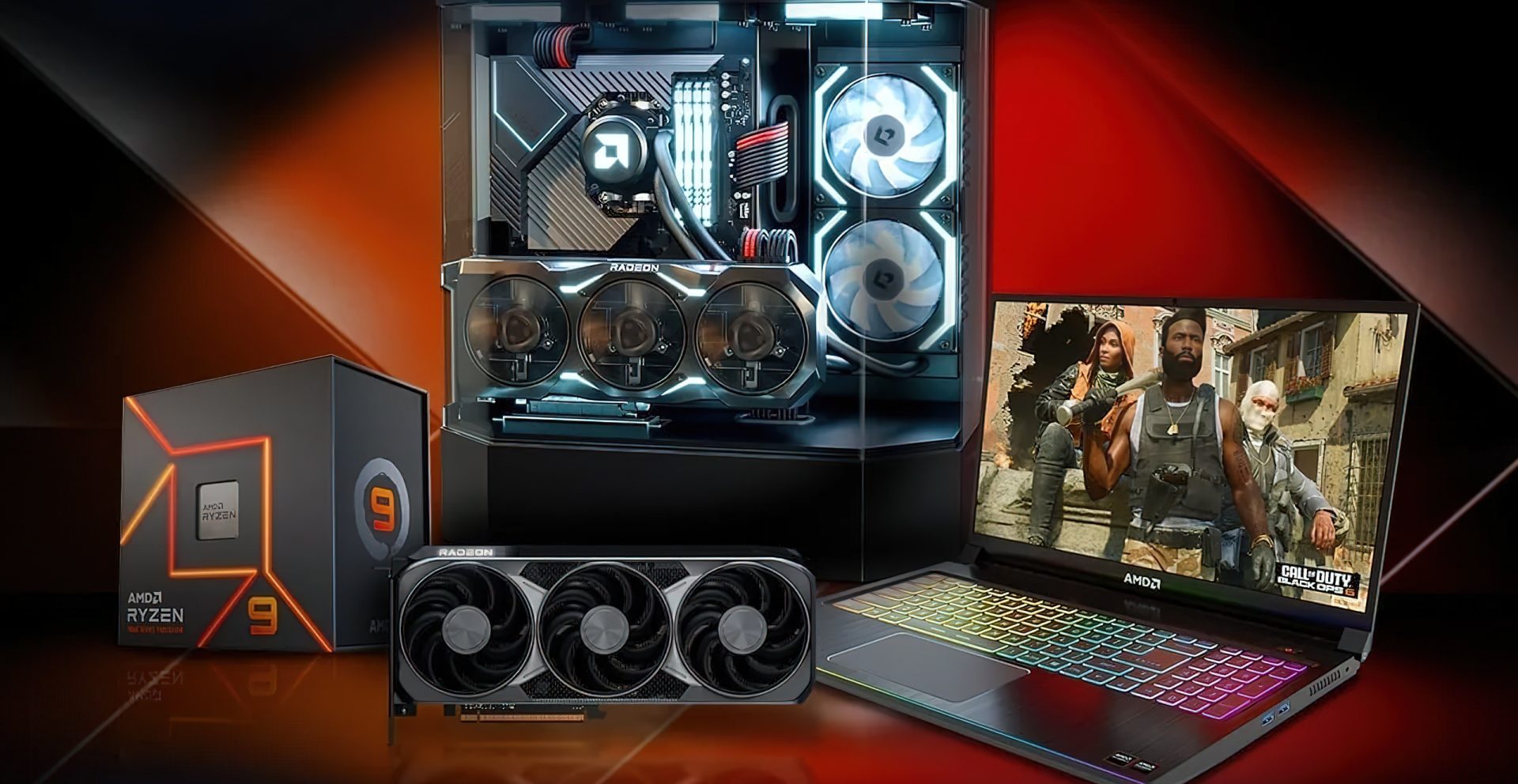
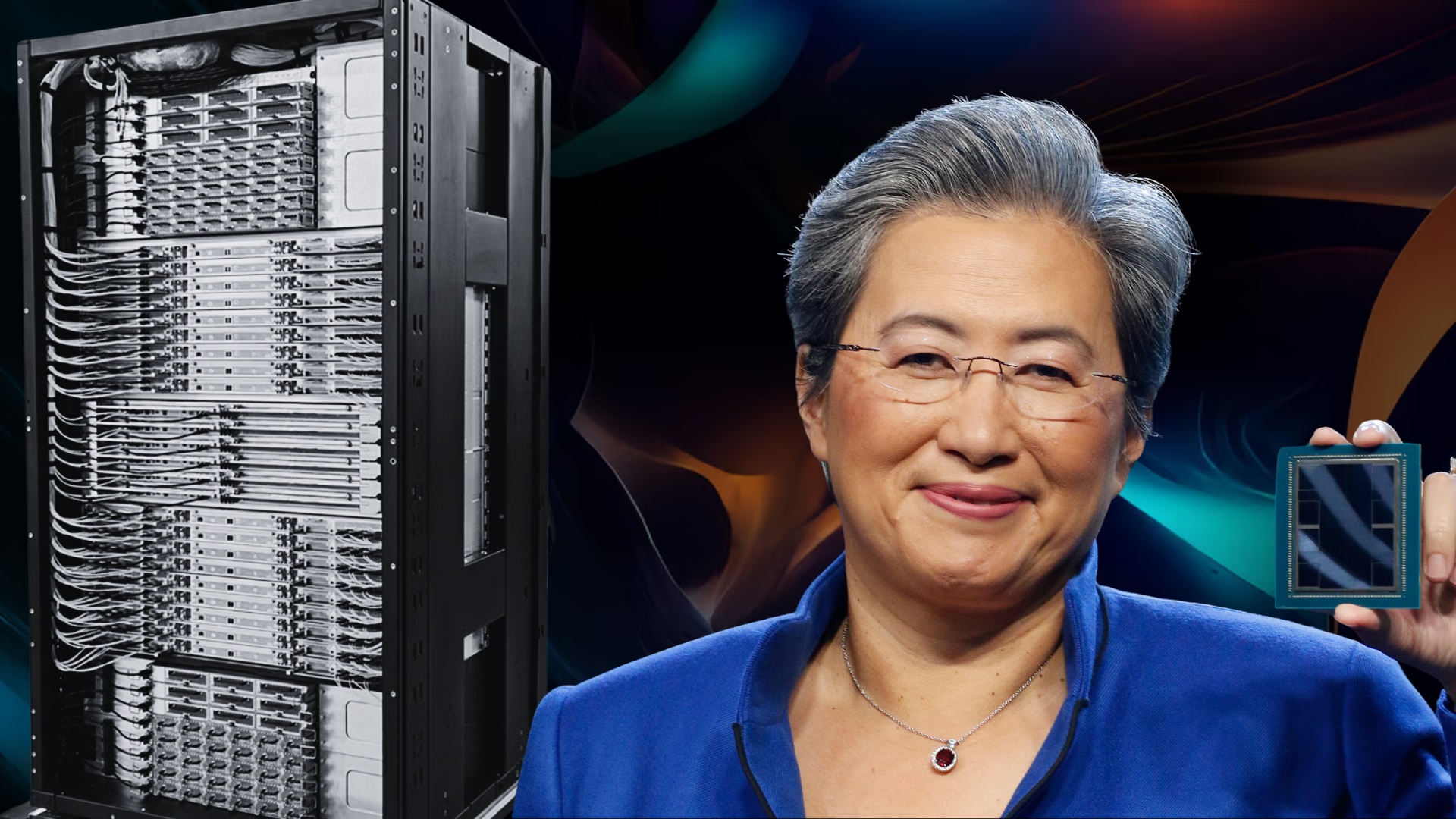
AMD's latest MI-series GPUs are making significant strides in performance-per-watt efficiency, positioning themselves as strong contenders in the AI workload space. The MI450 is designed to deliver high inference performance with lower thermal output compared to its predecessors, while the MI500 aims to handle larger-scale deployments where power efficiency is critical.
What sets these GPUs apart is their focus on reducing thermal output without compromising performance. This is a significant shift for data center operators who are increasingly looking to balance power consumption with compute needs. The MI450, in particular, is already being sampled to key customers, indicating strong interest and potential market adoption.
For enterprises, this could mean substantial operational cost savings, especially in cooling and power consumption. The MI450's efficiency makes it a compelling option for inference tasks, which are becoming more prevalent as AI workloads evolve. Meanwhile, the MI500 is targeting larger-scale deployments where thermal management is a complex challenge.
How these GPUs perform under sustained loads will be crucial in determining their long-term impact on the market. Early indicators suggest they are addressing one of the biggest pain points for AI infrastructure: power efficiency. If they deliver on their promises, they could become a standard choice for enterprises looking to scale AI without proportional increases in energy costs.
The future of AI compute will likely be shaped by how well these GPUs balance performance and thermal output. For now, the MI450 and MI500 represent AMD's attempt to capture more of the AI market by focusing on efficiency—a strategy that could pay off if enterprises prioritize cost savings over raw performance in their deployments.