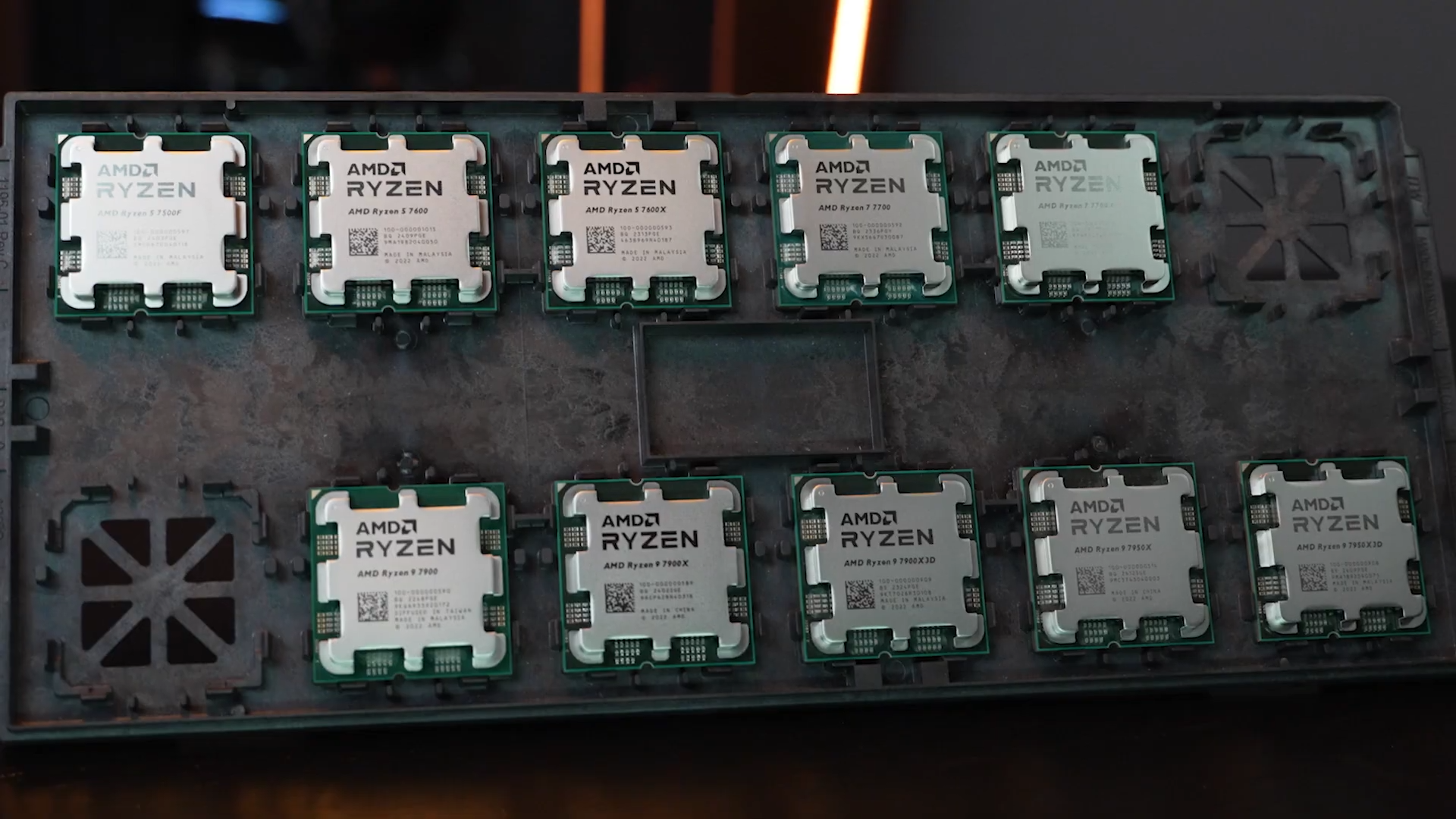
For years, the 8-core CPU was the gold standard for power users—balancing performance with cost. Now, AMD is pushing that boundary with a new 10-core Ryzen 9 processor, one that carries 32 MB of L3 cache and appears to be part of a broader platform shift. The question isn’t just whether this CPU lives up to the hype; it’s whether small businesses can justify the leap in cost for the gains in speed.
The spotted chip, codenamed Medusa Point, doesn’t yet have an official release date or price, but its presence on the Plum platform suggests AMD is betting on a future where multi-core efficiency becomes the norm rather than the exception. For small businesses, this could mean faster workflows—video editing, data analysis, or even running multiple virtual machines—but it also raises questions about power consumption and thermal management in environments where every watt matters.
Key Specifications
- Cores/Threads: 10 cores / 20 threads
- L3 Cache: 32 MB
- Platform: Plum (Medusa Point APUs)
- Clock Speeds: Not yet confirmed, but expected to match or exceed current Ryzen 9 offerings
The 10-core configuration is a notable jump from AMD’s existing lineup, which typically maxes out at 8 cores for its high-end desktop processors. The increased L3 cache—nearly double what’s found in some mid-range CPUs—could translate to better multi-threaded performance, making tasks like rendering or compiling code significantly faster. However, the tradeoff may come in power efficiency; larger caches and more cores often mean higher thermal output, which could be a concern for businesses without robust cooling solutions.
Who Benefits—and Who Should Wait?
The immediate beneficiaries of this CPU will likely be professionals who rely on heavy workloads—think 3D artists, software developers, or data scientists. For small businesses, the value proposition hinges on whether the performance gains justify the increased cost compared to an 8-core alternative. If AMD can optimize power draw and thermal output, this could become a compelling option for those already invested in the Ryzen ecosystem.
On the other hand, casual users or businesses with lighter needs may find little reason to upgrade. The leap from 8 cores to 10 isn’t necessarily a linear improvement; some workloads won’t see dramatic speedups, and the additional cost could be better spent elsewhere in the system. For now, this CPU remains speculative, but if it follows AMD’s track record of balancing performance with efficiency, it could set a new benchmark for what’s possible in mainstream computing.
What to watch: Pricing and availability, expected later this year, will determine whether this chip becomes a must-have or a niche curiosity. If AMD delivers on its promises, small businesses may find themselves at the forefront of a new generation of processing power—one that doesn’t just push cores but redefines what’s achievable within budget constraints.