AMD’s Ryzen 9000 series, launched as a flagship for high-end desktops, is now facing an alarming pattern of sudden failures—all concentrated on ASRock motherboards. Five separate incidents in a single day involve CPUs spanning the lineup, from the high-end 16-core Ryzen 9 9950X3D to the 6-core Ryzen 5 9600X, with users reporting systems that refuse to boot despite troubleshooting and BIOS updates.
The failures span multiple ASRock models, including the B850 Pro-A, X870 PRO RS, and X870E Taichi, suggesting a potential compatibility or firmware issue. While AMD has not commented, the recurrence of these reports—now affecting both X3D and non-X3D chips—raises questions about stability, especially for users who’ve relied on these processors for gaming, content creation, or workstations.
The most recent cases include
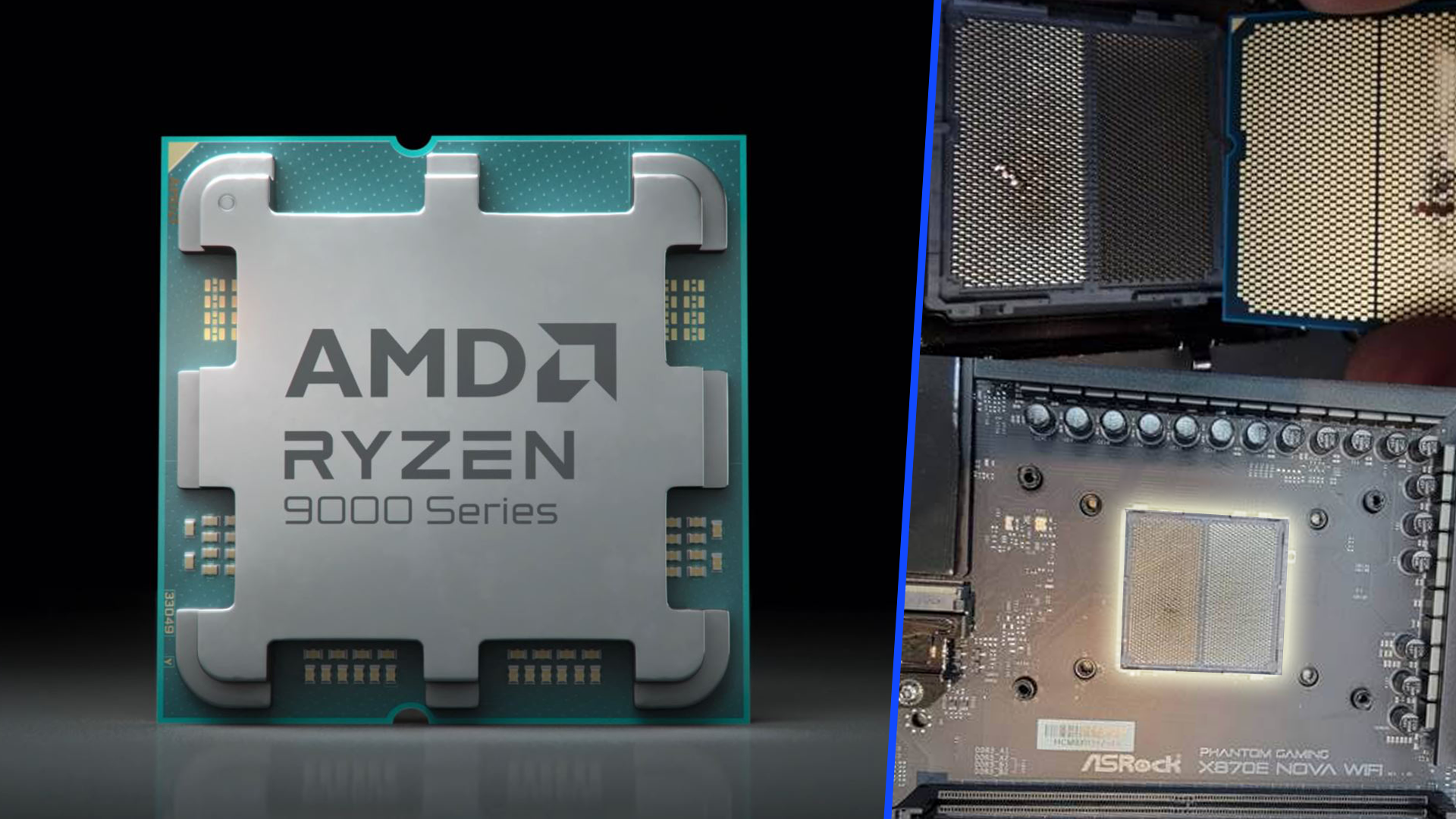
- Ryzen 5 9600X on ASRock B850 Pro-A (BIOS 4.03) – System fails to boot after upgrade.
- Ryzen 7 9700X on ASRock B850M-X – Debug LEDs lit after three days of troubleshooting.
- Ryzen 7 9700X on ASRock X870 PRO RS – Sudden failure after months of stable use (since August 2025).
- Ryzen 7 9800X3D on ASRock X870E Taichi (BIOS 4.03) – CPU death confirmed despite latest firmware.
- Ryzen 9 9950X3D on ASRock X870E Nova WiFi – System shows '00' error code, no BIOS access.
Some users have suggested rolling back to BIOS version 3.50, though ASRock has not issued an official statement. The failures occur across both X3D and non-X3D models, indicating the issue may not be limited to AMD’s 3D V-Cache architecture.
For users considering Ryzen 9000 builds, the reports serve as a cautionary note. While failures remain rare relative to the total installed base, the concentration on ASRock boards—and the lack of a clear resolution—demands vigilance. Those with affected systems may need to contact AMD or ASRock support for RMA processing, though turnaround times and outcomes vary.
This is not the first time Ryzen 9000 CPUs have been linked to motherboard-related issues. Earlier this year, reports emerged of Ryzen 5 9600X failures on ASRock platforms, further complicating AMD’s push for broad adoption. The situation underscores the importance of monitoring system health, especially for high-stakes builds where uptime is critical.