PC graphics card availability is under increasing strain as major manufacturers prioritize production of AI workstation GPUs. This shift, driven by higher profit margins in data center markets, threatens to create longer wait times and price hikes for consumer gaming cards.
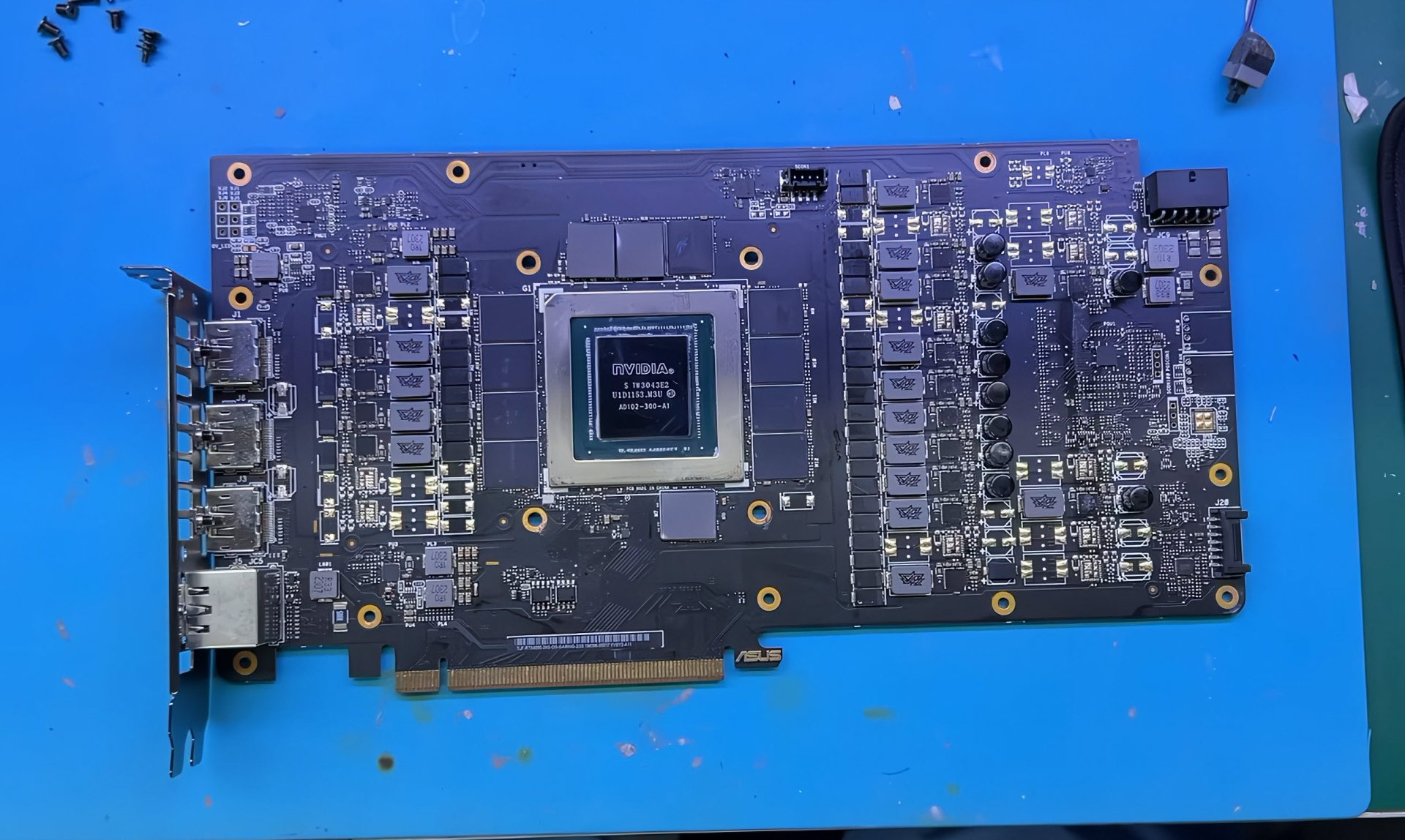
The impact is already visible with Nvidia’s RTX 5090, which remains priced at $3,699. Workstation-grade GPUs like the upcoming RTX Pro 6000—capable of handling up to 96GB of GDDR7 memory and costing around $9,000—are consuming significant production resources. Similarly, AMD’s Radeon AI Pro R9700 series and Intel’s Arc Pro B70, both optimized for AI workloads, are competing for silicon that would otherwise support gaming GPUs.
Analyst data shows a 1.3% decline in PC GPU shipments last quarter, while data center sales surged by 17%. The disparity in memory requirements—workstation cards often require between 32GB and 48GB of GDDR7 compared to the 12GB–24GB range for consumer models—could worsen shortages if AI demand continues growing. This imbalance risks disrupting the broader market, even though workstation sales remain a small fraction of total PC GPU shipments.

For system administrators deploying GPUs in enterprise environments, this shift introduces new challenges. Workstation-class cards require more robust power delivery and thermal management, often necessitating custom cooling solutions or server-grade infrastructure. Additionally, the increased demand for GDDR7 memory may force IT teams to reconsider upgrade cycles, as supply constraints could delay hardware refreshes.
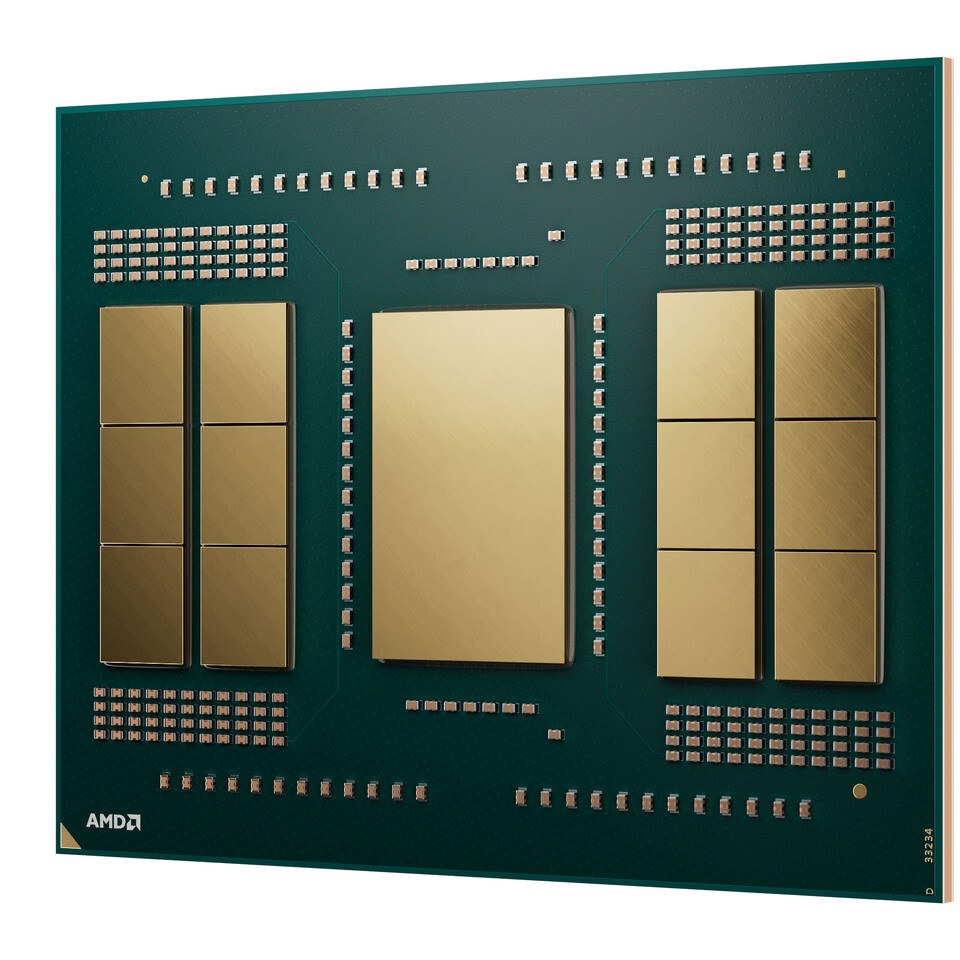
Nvidia’s strategic pivot toward AI systems—including potential delays in its 2026 consumer GPU roadmap—signals a long-term reduction in gaming-focused hardware. Intel’s Big Battlemage architecture, originally designed for desktop GPUs, is being repurposed for AI workloads, further limiting options for PC gamers. AMD has already introduced Instinct data center GPUs and Radeon AI Pro workstation cards, which are drawing silicon away from consumer markets.
While the immediate effects may not match past shortages in severity, the trend suggests sustained challenges ahead. Gamers and IT professionals alike should anticipate longer lead times or increased costs if current production shifts persist, potentially reshaping market expectations for GPU upgrades.