The latest iteration of this approach, integrated into a major platform’s ecosystem, shows how conversational interfaces can become so seamless that they erode the need for manual navigation. The shift reflects broader trends in AI adoption: from reactive tools to proactive guides, and from background utilities to foreground experiences.
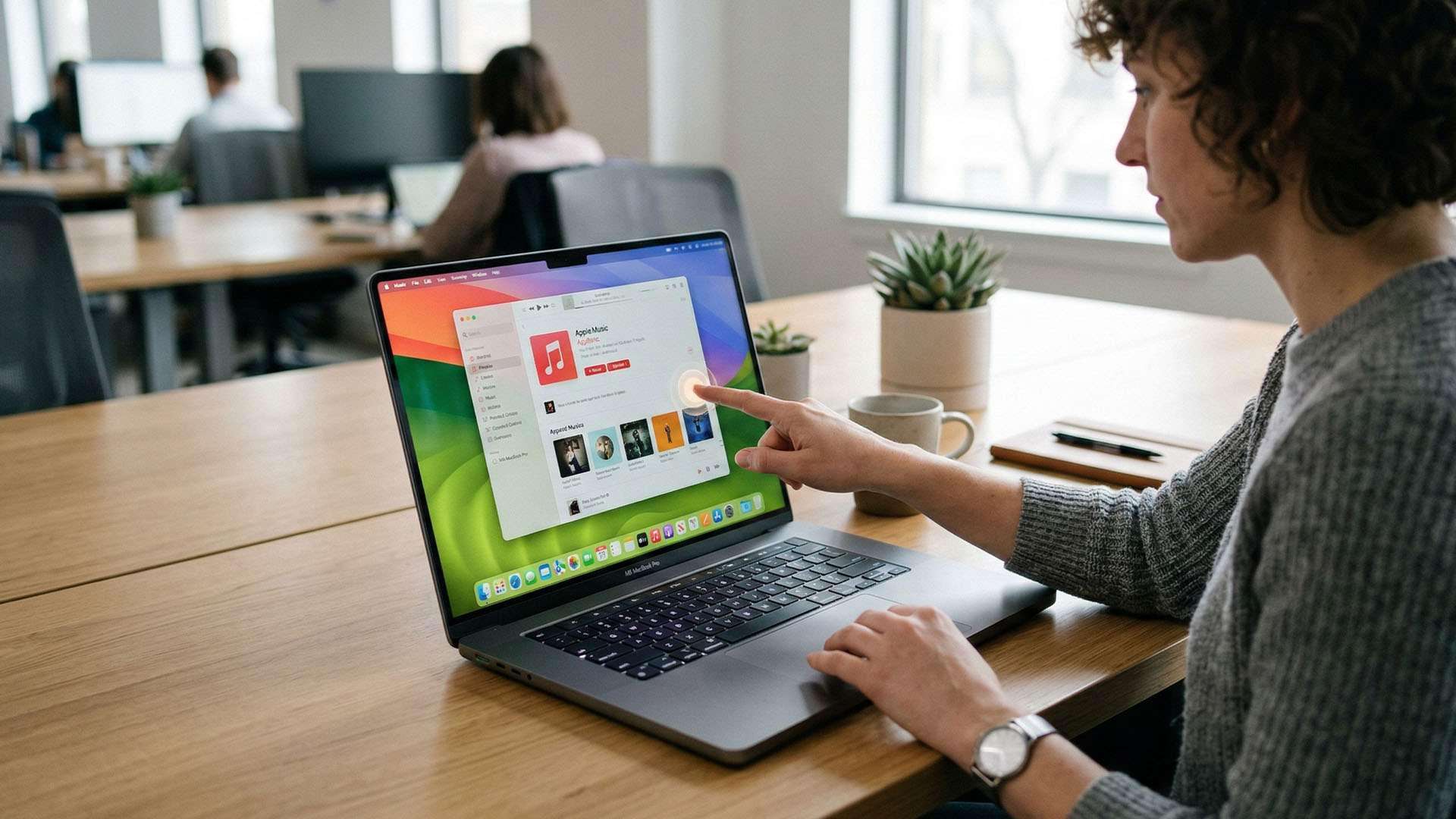
At its core, the update introduces an AI layer that interprets natural language commands—whether to book a table, adjust settings, or locate nearby services—and translates them into app actions without requiring users to open menus or search fields. The result is an interface that feels more like a conversation than a digital form.
- AI-driven command processing
- Real-time context adaptation (e.g., location, preferences)
- Cross-platform sync (mobile and desktop)
- No manual menu navigation required for core tasks
The platform in question is a long-standing player in the productivity space, known for its deep integration with operating systems and developer tools. While it has experimented with AI features before, this latest release marks a significant departure by embedding AI directly into the user interface rather than as a separate assistant.
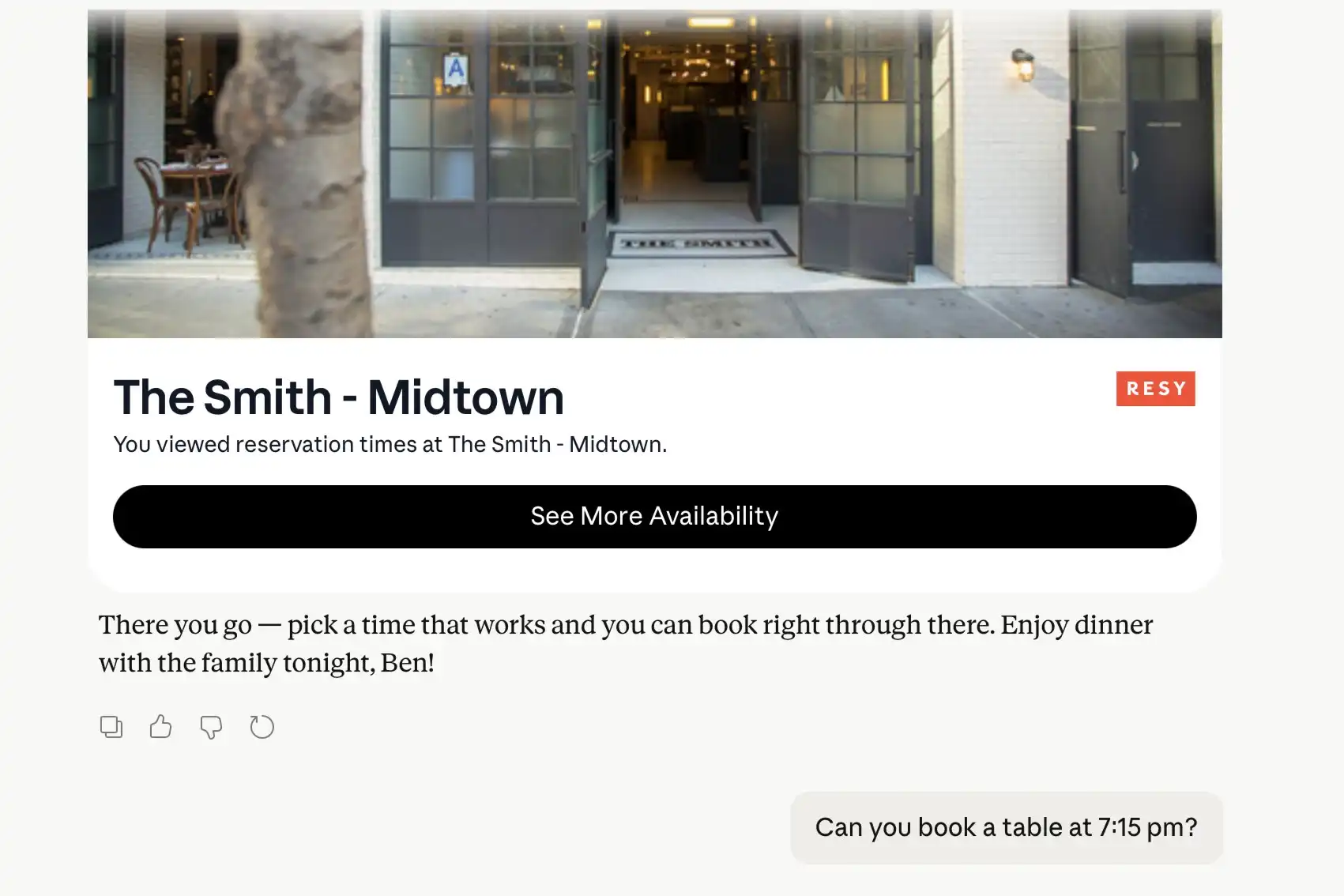
For developers, the implications are twofold: first, the potential to streamline complex workflows by reducing friction in app interactions; second, the challenge of designing robust language models that can handle domain-specific commands without misinterpretation. The update also raises questions about user trust—how much reliance on AI suggestions is appropriate before users feel their control over the system diminishes.
The feature is currently available as a beta across supported platforms, with plans to expand access based on performance metrics. Pricing remains tied to existing subscription tiers, though additional AI-powered modules are expected in future updates.
What’s confirmed: seamless command processing, cross-device sync, and no upfront cost for current users. What remains unclear: the long-term impact on app design standards and whether this will accelerate a broader shift away from traditional UI paradigms.