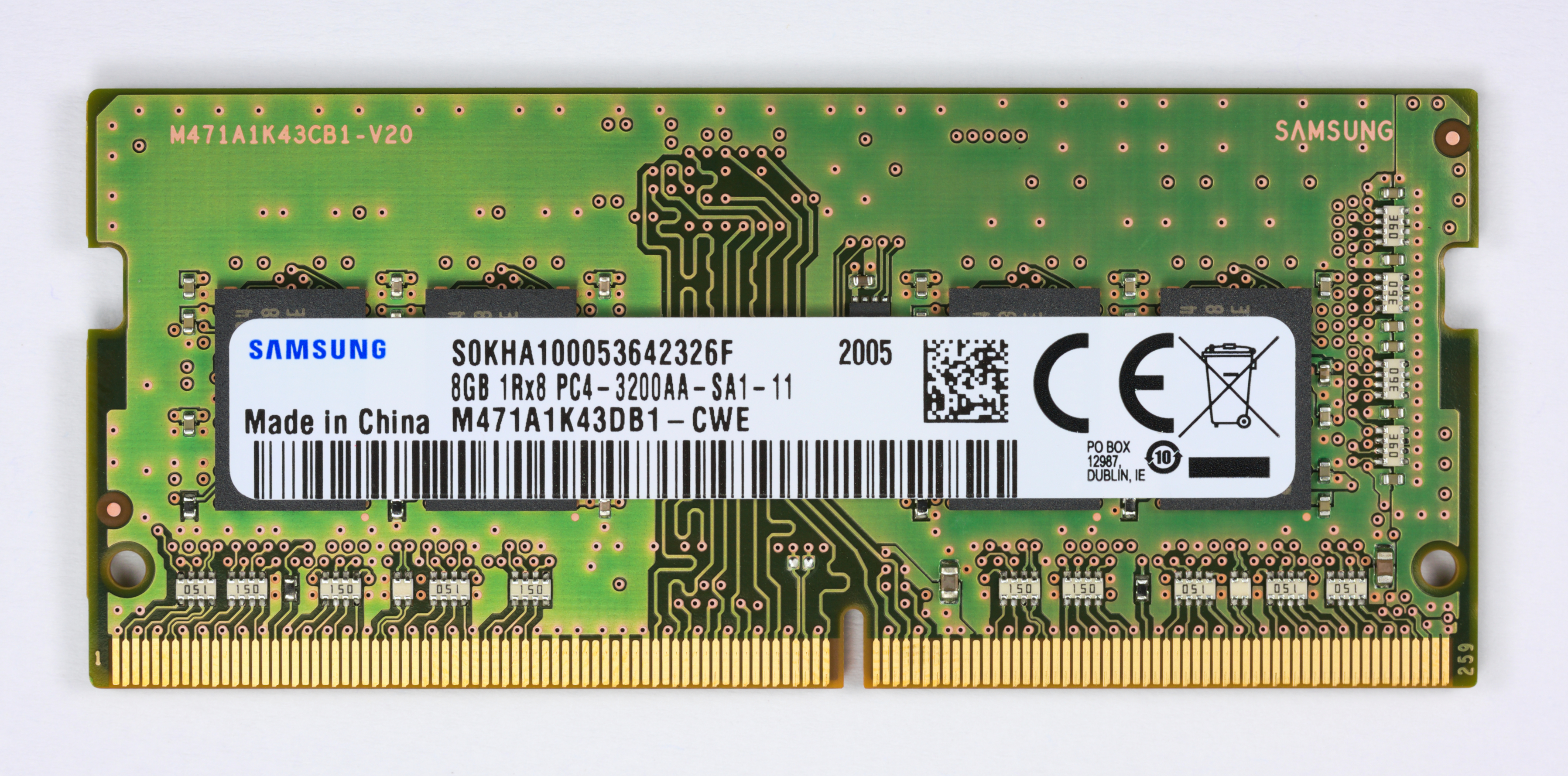
The era of the sub-$500 PC is under siege, not from a sudden crash in demand but from an insidious squeeze on supply chains. AI infrastructure—data centers, cloud servers, and high-performance GPUs—is devouring RAM and SSDs at unprecedented rates, turning components that once fueled low-cost consumer hardware into scarce commodities. The ripple effect is already visible: DRAM and SSD prices are expected to surge by roughly 130% by late 2026, a spike that will push average PC costs up around 17%. For the first time in decades, the budget segment may vanish entirely by 2028, leaving behind a generation of users who relied on affordable machines for basic tasks.
This isn’t just about higher prices—it’s about what gets prioritized. AI PCs, once seen as the future of consumer computing, could face their own constraints if manufacturers struggle to balance performance with affordability in a high-cost environment. The result? A potential gap where budget PCs once thrived, forcing consumers to hold onto older devices longer or seek alternatives that may not deliver the same capabilities.
Today’s update: a market at a crossroads
The shift is already underway, but the full impact won’t be clear until 2027. Market research firms project that by then, AI-driven demand for components will tighten supply chains so severely that sub-$500 PCs could disappear from retail shelves. For businesses and individuals used to refreshing hardware every few years, the math changes: devices last longer, but upgrades become harder—and more expensive.

Key facts
- DRAM and SSD prices expected to jump ~130% by late 2026, driven by AI infrastructure demand.
- Average PC prices could rise ~17%, squeezing the budget segment hardest.
- Consumers may retain devices 20% longer due to cost barriers.
- Sub-$500 PCs at risk of market exit by 2028, with AI PC development potentially delayed.
The question now isn’t just whether these trends will materialize, but how quickly enterprises and consumers adapt. For businesses relying on low-cost workstations or student labs, the implications could be significant—both in budget planning and workflow flexibility.
Looking ahead: what to watch
Pricing announcements from major manufacturers in 2027 will offer early clues about how the market is responding. Supply chain stability reports will also be critical, as any disruptions could further strain the industry. Meanwhile, AI PC roadmaps may pivot if component scarcity becomes a persistent challenge.
The disappearance of budget PCs isn’t inevitable, but the forces aligning against it are powerful. The question for consumers and businesses alike is whether they’ll adapt to longer device lifecycles—or push back against a market that seems determined to leave them behind.