Age verification is being adopted as a standard requirement across digital platforms, yet its implementation is facing significant scrutiny. Governments worldwide are introducing legislation to enforce age assurance methods, aiming to restrict access to harmful content for minors. However, the details of these systems reveal potential flaws that could undermine their intended benefits.
At the core of this debate is the question of whether age verification can be effectively enforced without creating new vulnerabilities. Systems designed to verify user age often rely on processes that can be exploited, such as using pre-existing images or credentials obtained through less secure means. Additionally, the reliability of age estimation remains uncertain, as current methods may require invasive data collection or widespread use of government-issued IDs without guaranteeing effectiveness.
Key Concerns and Potential Risks
The open letter highlights several critical issues with age verification systems. One major concern is the potential for users to migrate to less regulated platforms if mainstream services enforce strict age checks. This shift could expose them to risks such as scams or malware that are typically monitored on larger, more responsible websites.
Privacy concerns also loom large. The letter emphasizes that private companies, often based in unknown locations, are collecting sensitive information such as government-issued documents or facial scans for age verification purposes. The handling of this data is not always transparent, raising questions about its security and potential misuse. A notable example of this risk was seen when a third-party service used by Discord experienced a breach, exposing approximately 70,000 user accounts' government-issued ID photos.
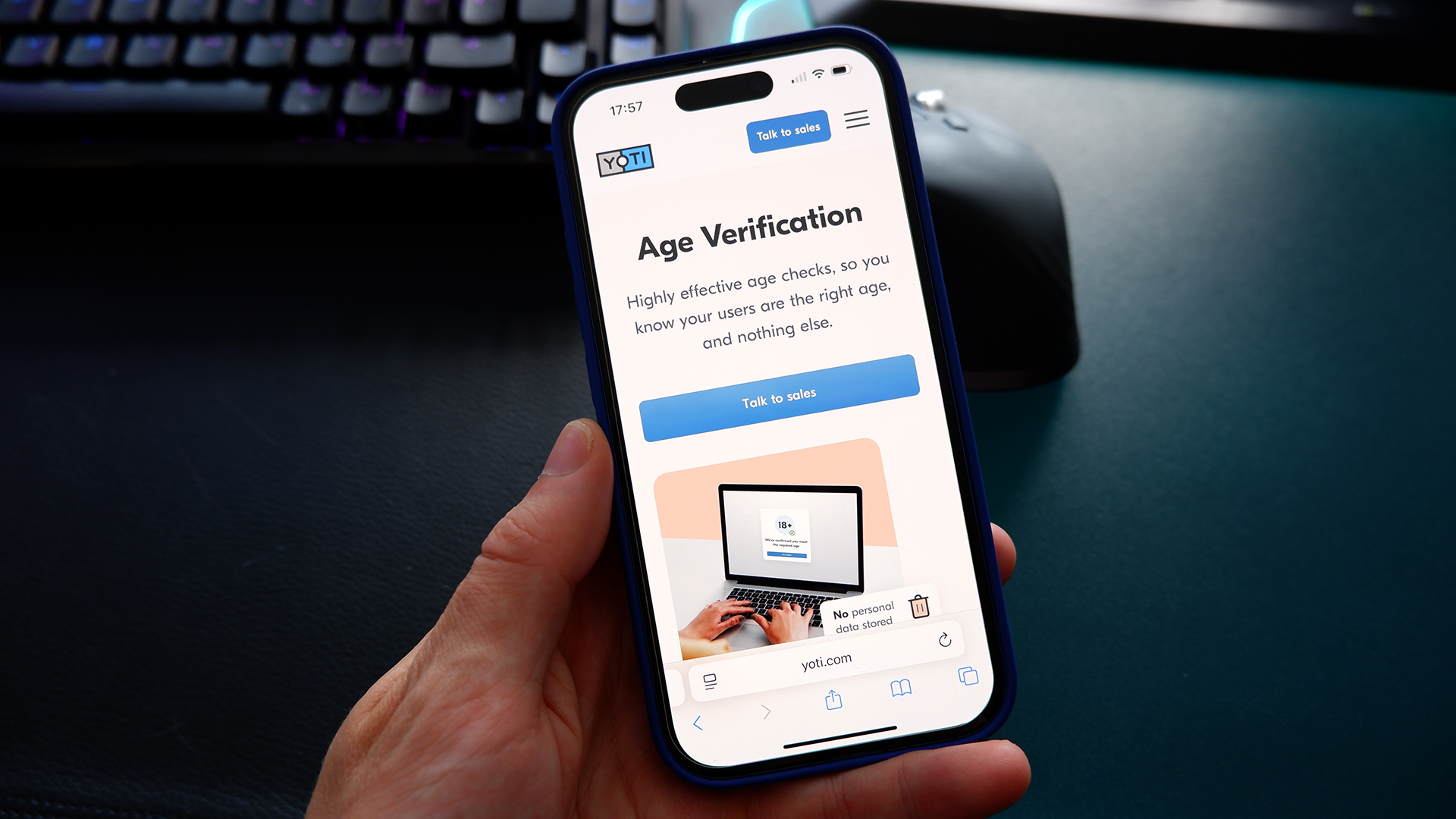
- Age verification systems can be easily bypassed, undermining their intended purpose.
- The reliability of age estimation is questionable, often requiring invasive data collection without ensuring effectiveness.
- Users may migrate to less regulated platforms, increasing exposure to scams and malware.
- Privacy risks are significant, with sensitive data collected by private companies lacking transparency in handling.
The letter also addresses the potential for discrimination against adults who lack government-issued IDs or the digital literacy to navigate age verification processes. This could inadvertently increase their vulnerability to scammers and other malicious actors. Furthermore, the centralization of power in such systems raises concerns about censorship and access restrictions, particularly for content related to marginalized communities.
Despite the criticisms, public opinion remains largely supportive of age verification efforts, even if its effectiveness is questioned. A recent poll suggested that a majority of people surveyed believe these methods are ineffective, yet they still support their implementation. This duality underscores the need for balanced solutions that address both the intent and the potential pitfalls of age verification.
Looking ahead, the debate over age verification will likely continue to evolve as governments and platforms seek to balance safety with user privacy. The challenges highlighted in this open letter serve as a call for more careful consideration and innovation in how these systems are designed and deployed, ensuring they meet their intended goals without compromising user rights or security.