Acer has joined the growing list of hardware manufacturers raising prices in response to escalating costs for critical components. Starting February 20, the company will adjust the pricing of select PC products—laptops, prebuilt desktops, and tablets—due to sustained increases in RAM and SSD costs. The move follows similar actions by competitors like ASUS, Maingear, and Framework, signaling a broader industry shift as component prices remain volatile.
The revisions will apply to Acer’s official online store, with current pricing available until February 19. Some products, particularly peripherals, will remain unaffected. However, devices reliant on NAND-based storage and memory—such as gaming laptops, workstations, and high-end tablets—are expected to see noticeable price hikes, though exact percentages have not been disclosed.
This development comes amid a broader trend of instability in the PC hardware market, where component shortages and supply chain fluctuations continue to influence pricing. For buyers considering high-end configurations—like those featuring the Core Ultra 9 290HX or GeForce RTX 5070—the timing of purchases may now hinge on securing pre-revision pricing before the deadline.
What’s Driving the Price Increase?
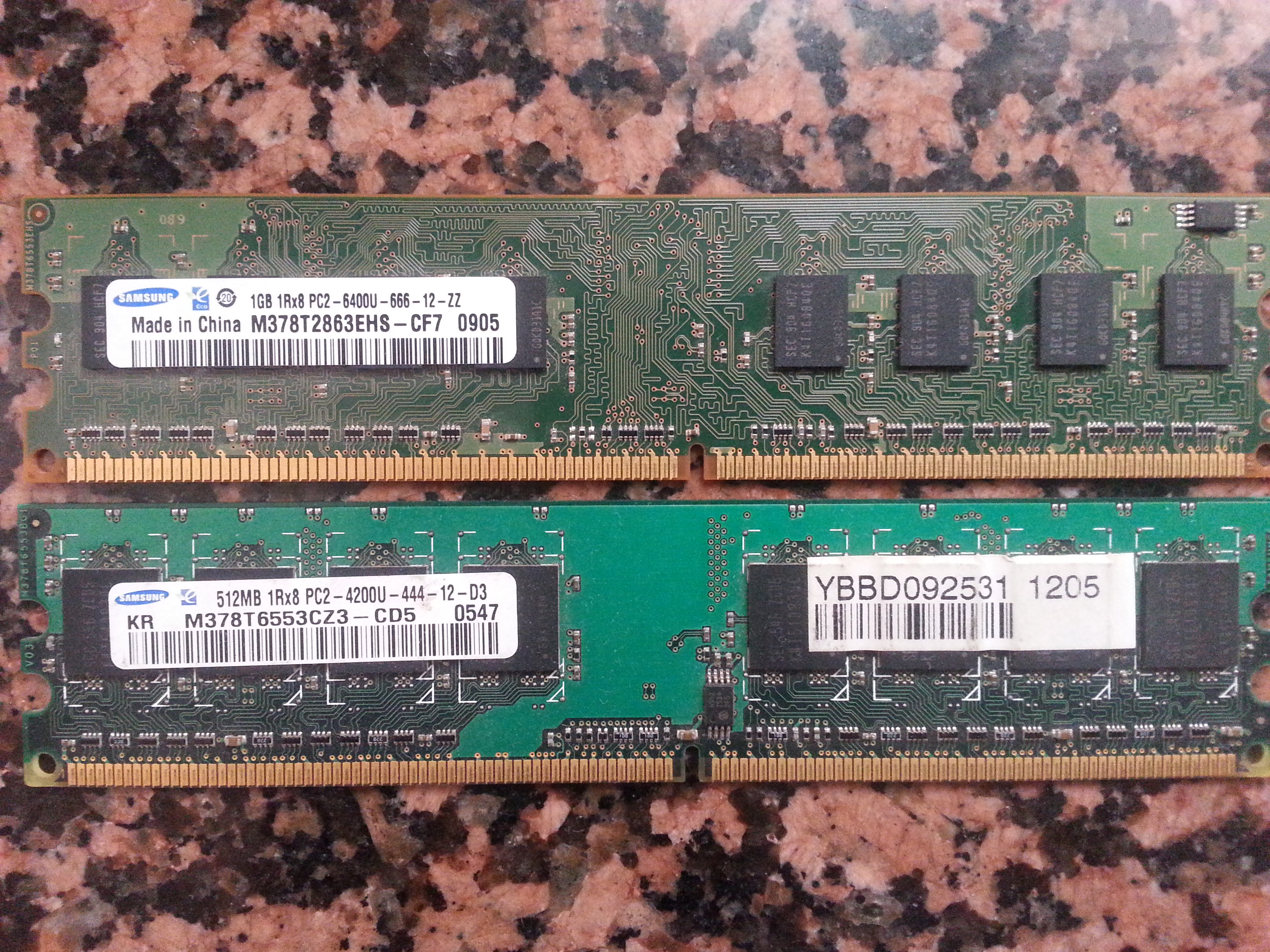
The root cause is the persistent rise in memory and SSD costs, which have become a recurring headache for manufacturers. These components are integral to modern laptops, particularly in high-performance models where 1000 Hz displays, faster storage, and increased RAM capacity are standard. For example, a gaming laptop equipped with a GeForce RTX 5070 and 32GB of DDR5 memory could see a more significant price adjustment than a basic business model with 8GB of DDR4 and a 512GB SSD.

While Acer has not specified how much prices will rise, the trend suggests that buyers should expect incremental increases—particularly for configurations with premium features. Those in the market for high-refresh-rate displays, advanced cooling systems, or next-gen processors may face the steepest adjustments.
Key Specs and Affected Products
- Products Impacted: Laptops (gaming, workstations, ultrabooks), prebuilt desktops, tablets with integrated storage.
- Products Unchanged: Peripherals (keyboards, mice, monitors).
- Effective Date: February 20, 2026.
- Last Day for Current Pricing: February 19, 2026.
- Likely Adjustments: Higher-end models with GeForce RTX 5070, Core Ultra 9 290HX, or 1000 Hz displays.
- Unspecified Increases: Exact percentage hikes vary by product.
Who Should Act Now?
The price hike will disproportionately affect buyers of high-performance hardware. For instance, a gaming laptop with a GeForce RTX 5070 and 32GB DDR5 may see a more substantial price jump than a standard office laptop with 16GB DDR4 and a 256GB SSD. Those planning to purchase devices with cutting-edge features—such as 1000 Hz refresh rates, advanced thermal designs, or the latest processors—should consider finalizing orders before February 19 to avoid higher costs.
Additionally, businesses or individuals upgrading to workstations with high RAM capacities or fast NVMe SSDs may face steeper increases. The lack of transparency on exact price changes adds uncertainty, but the trend aligns with broader industry movements. For now, Acer’s announcement serves as a reminder that component-driven inflation remains a defining factor in PC hardware pricing.