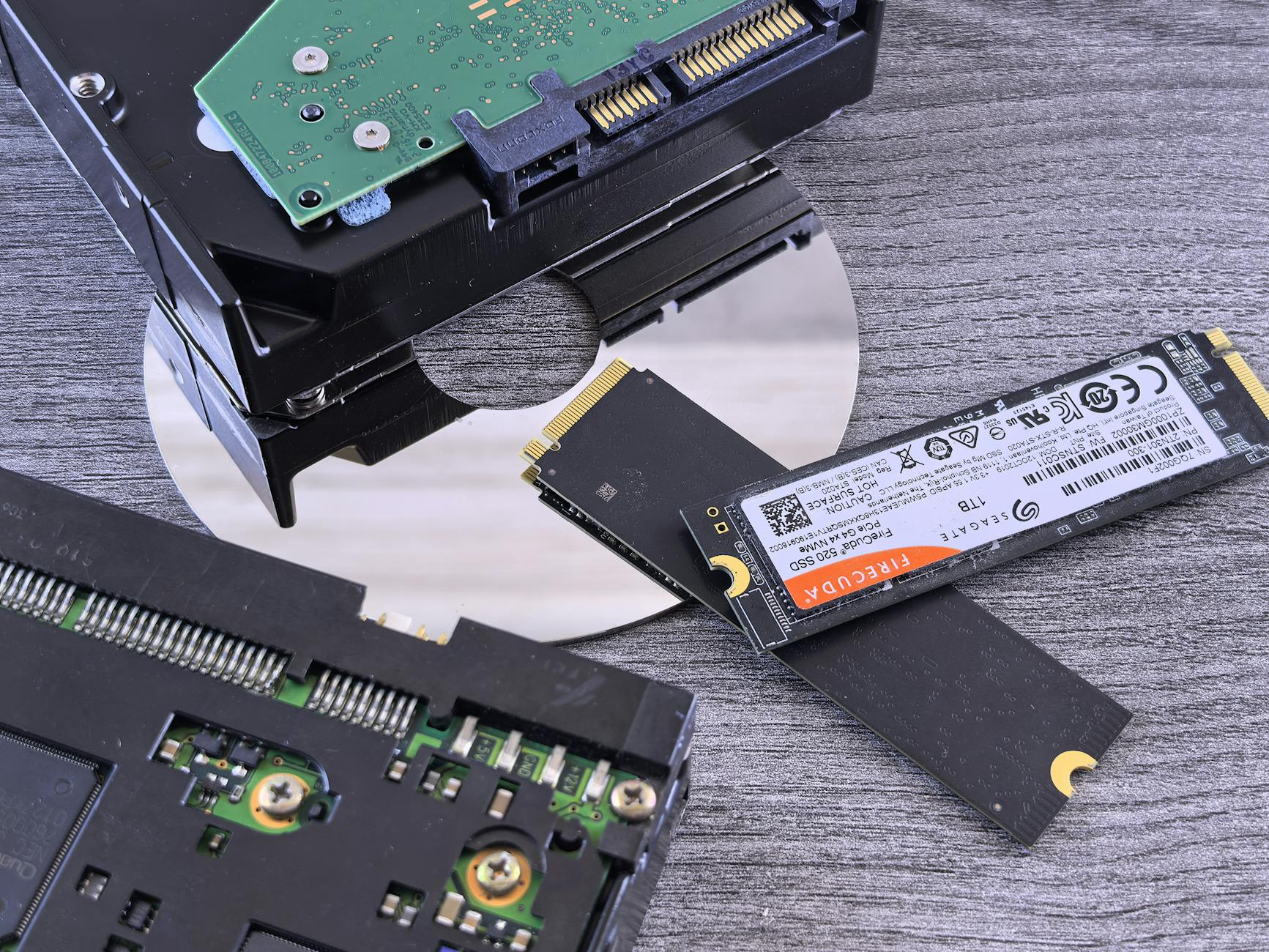
TetraMem Advances Analog Computing with 22nm RRAM Breakthrough
A new analog in-memory computing platform from TetraMem could redefine AI efficiency, but only if it delivers on its promises of power savings and density.
Latest articles, news and analysis in the AI category.
A new analog in-memory computing platform from TetraMem could redefine AI efficiency, but only if it delivers on its promises of power savings and density.
A sweeping update to Windows 11 is tearing down long-standing interface constraints, allowing users to position the taskbar along any screen edge while introducing granular controls over the start menu—changes that directly address years of frustration over lost flexibility.
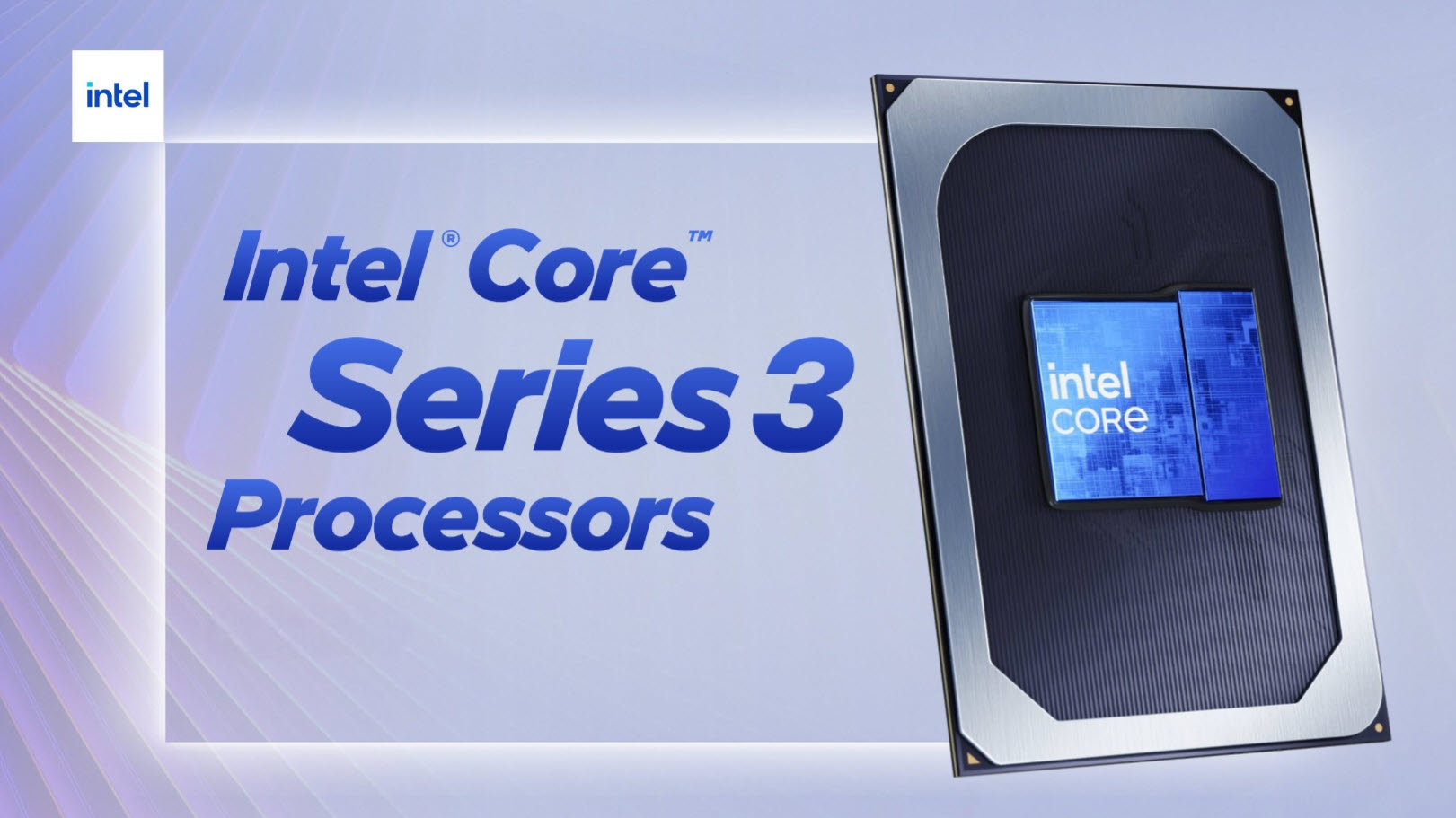
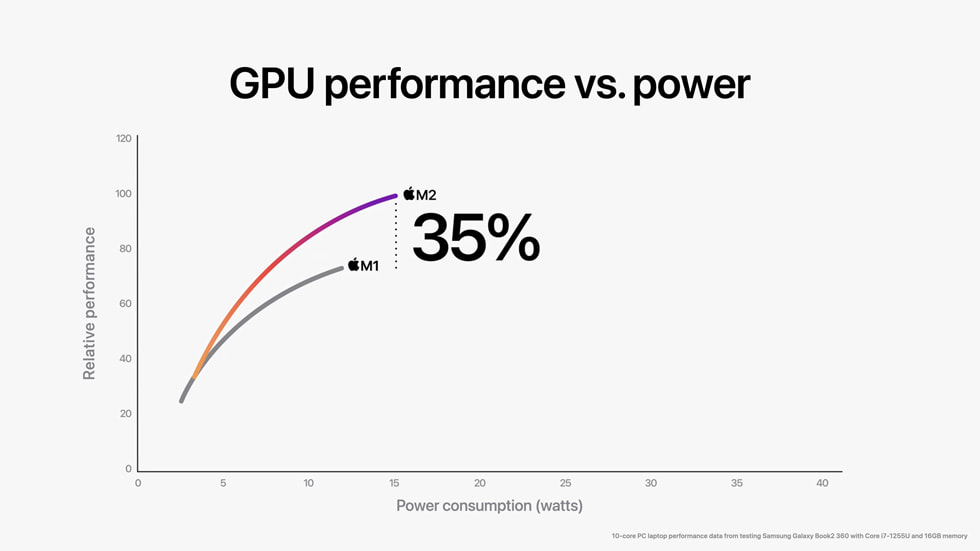
Intel’s new Wildcat Lake GPUs, set for release next week, promise a significant leap in performance-per-watt efficiency. Developers will see how these chips balance thermal constraints with sustained workload demands, offering a mainstream alternative to Apple’s M-series processors.
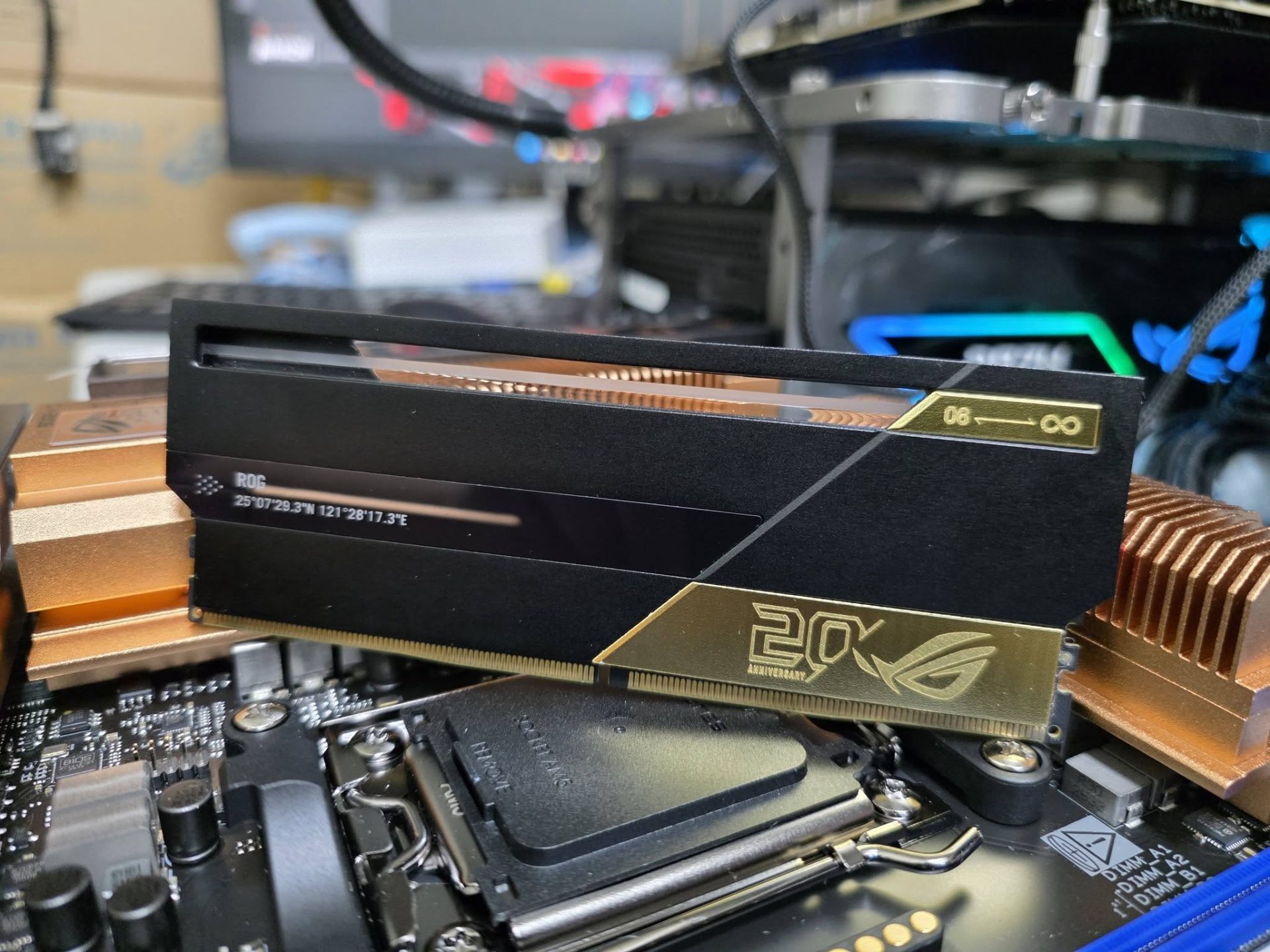
A new ASUS memory module achieves an unprecedented clock speed of 8,800 MT/s, demonstrating the potential for high-performance data workloads while highlighting the engineering challenges of stability and efficiency.
Rockstar's approach to GTA VI pre-orders and press distribution marks a departure from past practices, raising questions about accessibility and industry standards.
The standard Windows 11 Pro license now costs just $10, but buyers should weigh faster performance against compatibility risks and long-term support questions.
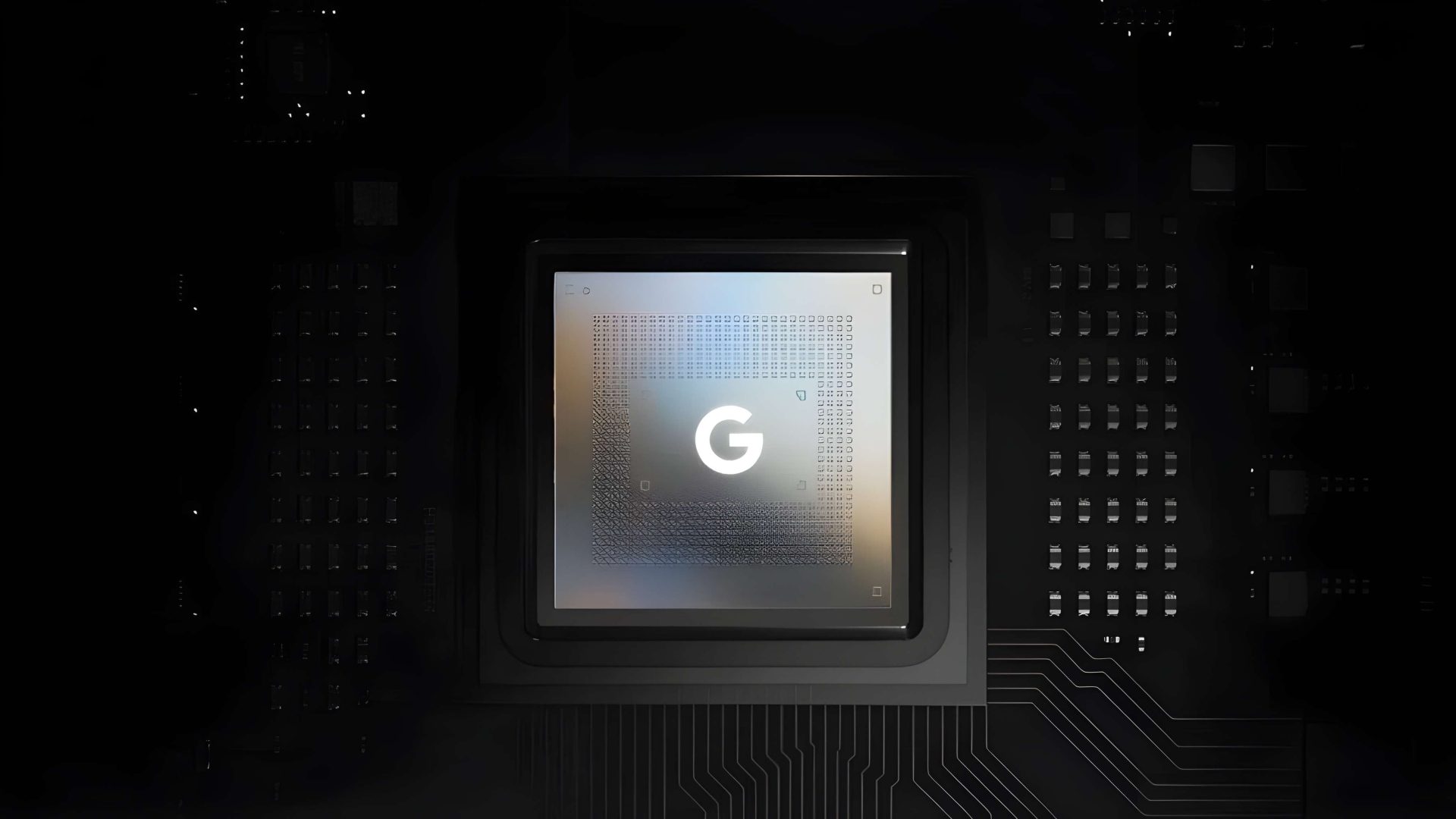
The new Google Tensor G6 chip, designed for Pixel 9 and Pixel Tablet, drops support for key AI acceleration features found in its predecessors. While it delivers strong performance metrics, the removal of Tensor Cores could limit future-proofing for data-center workloads.
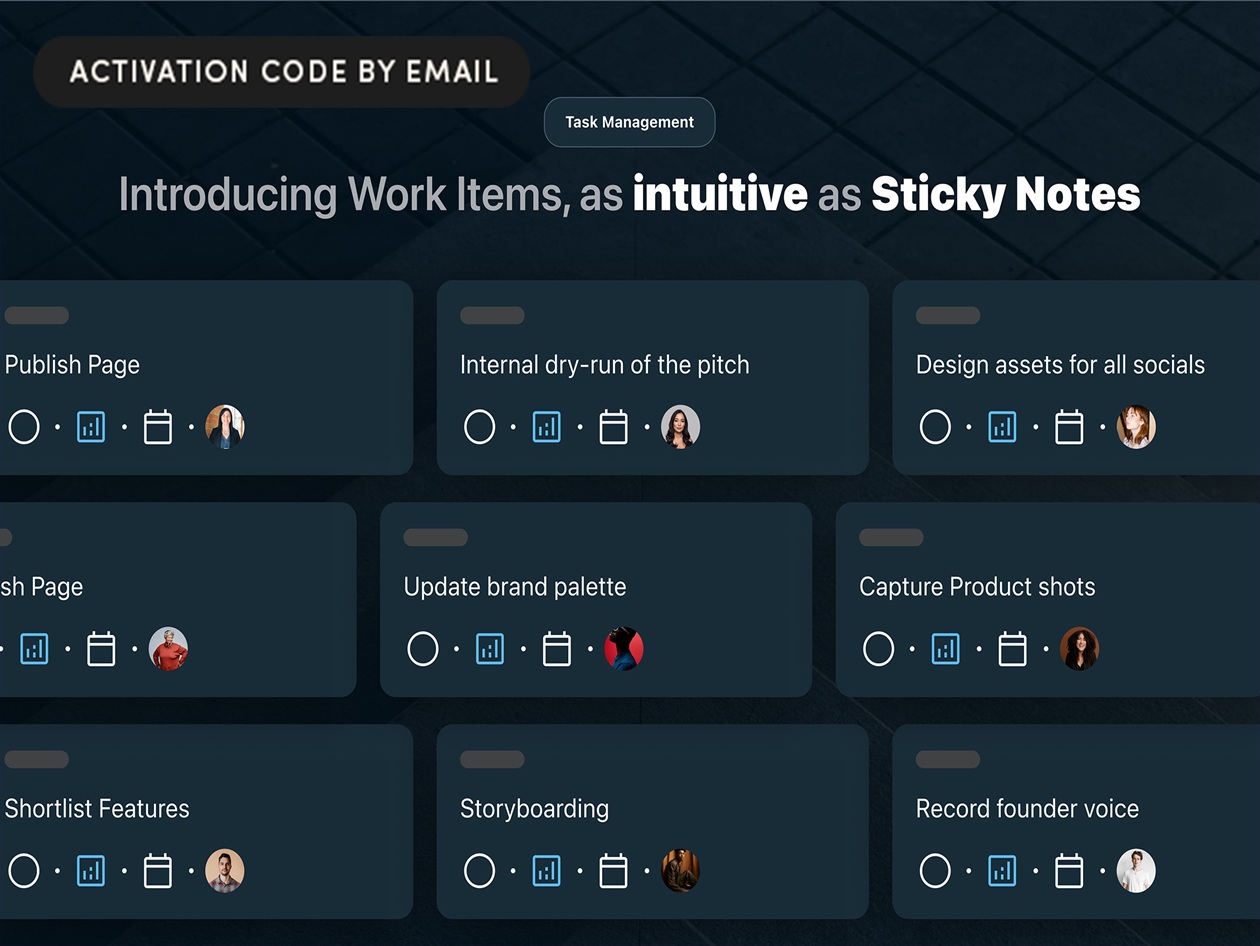
A permanent, one-time purchase of $99 buys unlimited tasks, documents, and sprint tracking for up to ten users—eliminating recurring costs but raising questions about long-term updates in an industry built on subscriptions.
The Rubin Ultra variant introduces EMIB-T packaging, a move that could reshape data center dynamics. This development signals NVIDIA's push to consolidate its position in high-performance computing while introducing new constraints on interoperability.
NetApp has introduced enhancements to its data management capabilities for OpenShift, delivering faster virtual machine backup, disaster recovery, and cloud scaling. The updates aim to address enterprise demands for efficiency while maintaining cost-effectiveness.
Google’s latest Chrome update addresses a total of 79 vulnerabilities, with 14 marked as critical. The patch focuses on memory corruption and type confusion flaws that could allow remote code execution.
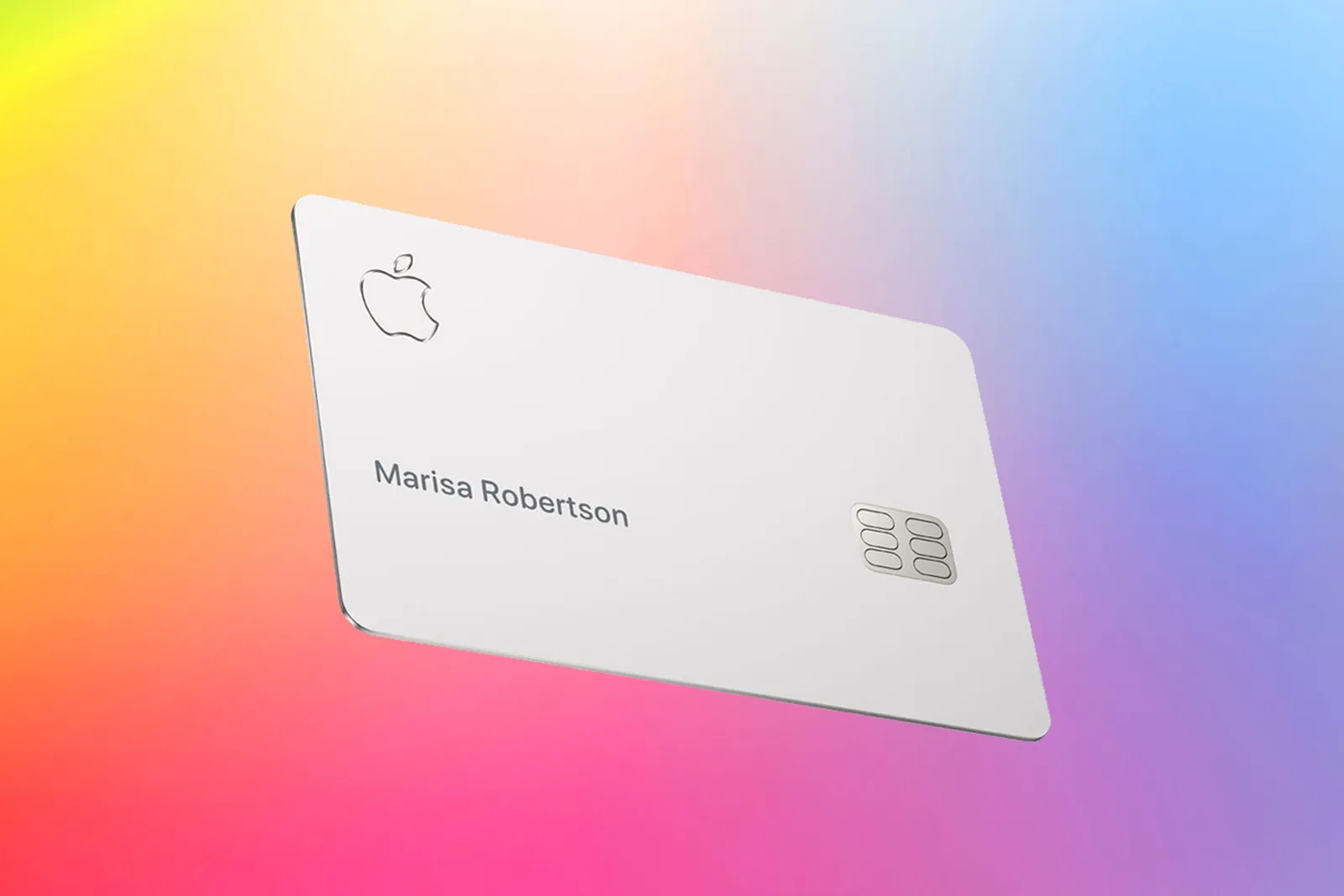
A fresh promotional strategy emerges as Apple seeks to boost Apple Card adoption, offering a free pair of AirPods Pro 3 with new sign-ups, signaling a shift in consumer incentives.
Google's recent changes to its cloud storage policy, including a reduced free tier and new phone verification requirements, are causing ripples across enterprise environments. The move has sparked debates about long-term reliability, data sovereignty, and the future of Google's cloud ecosystem.
A massive bonus payout at a leading memory manufacturer has sent shockwaves through the tech industry, with stock prices climbing and employee benefits reaching unprecedented levels.
Intel's push to compete with TSMC in advanced AI chip manufacturing is being challenged by a critical bottleneck: the availability of ultra-high-purity silicon wafers. This scarcity could delay Intel's plans and leave TSMC as the dominant supplier for high-volume AI chips through 2026.
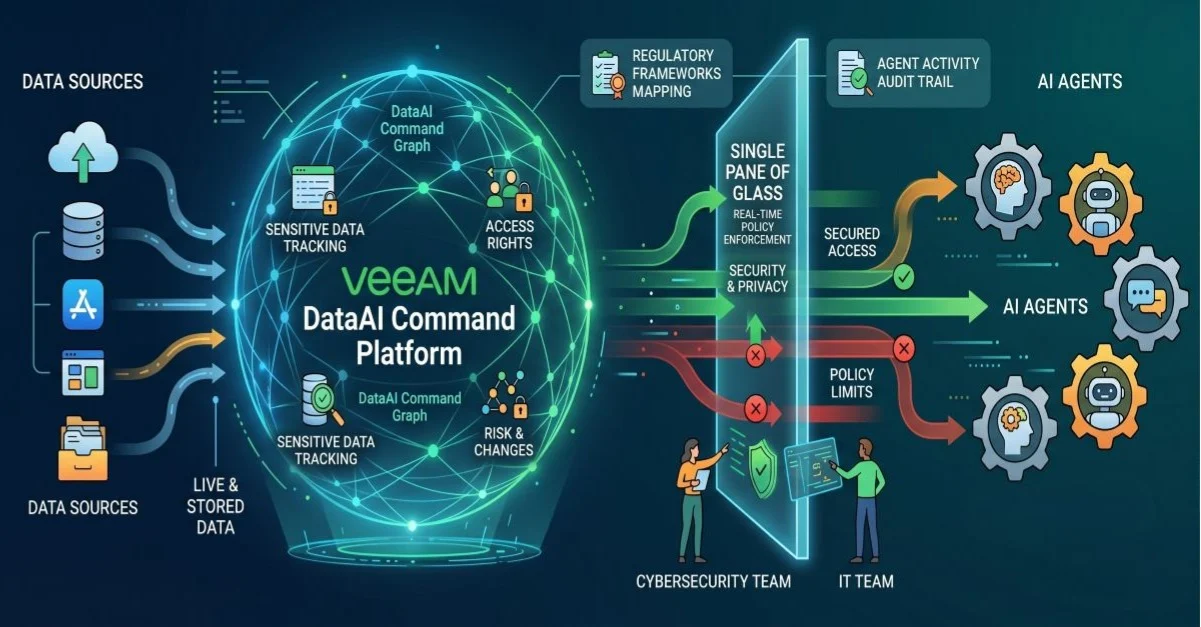
A new generation of data resilience tools is emerging, blending traditional backup with AI-driven automation. Veeam’s latest platform update introduces a centralized command center and advanced AI governance, signaling a shift in how enterprises manage data integrity and regulatory compliance.
A standout Lexar SSD breaks the pattern of dwindling storage deals, offering 2TB capacity at a steep discount. Developers see efficiency gains, while end users face a trade-off between price and platform compatibility. The timing suggests a shift toward higher-density drives in enterprise workflows.
A short-term offer brings enterprise-grade security, AI-assisted productivity, and virtualization tools to compatible PCs at a steep discount.