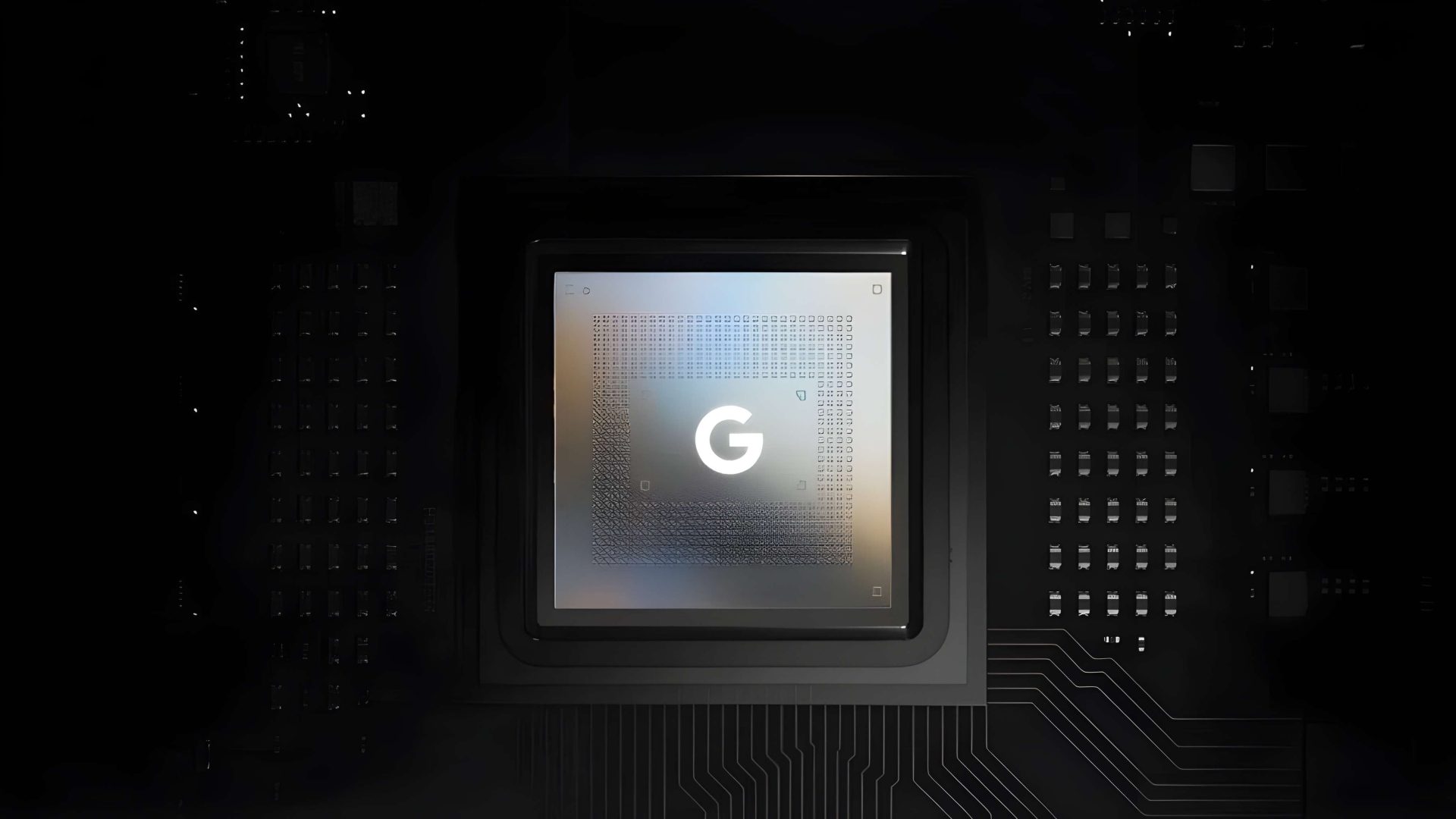
Google’s Tensor G6 chip is a study in trade-offs. On paper, it delivers solid single-core and multi-core performance—up to 20% faster than its predecessor—but under the hood, it’s a step backward for AI efficiency.
The most striking change is the omission of Tensor Cores, the specialized hardware that made Google’s previous chips stand out in machine learning tasks. The G6 instead relies on traditional GPU compute, which is less efficient for data-heavy workloads. This shift could affect everything from on-device AI processing to potential server-side applications.
Performance Without Specialization
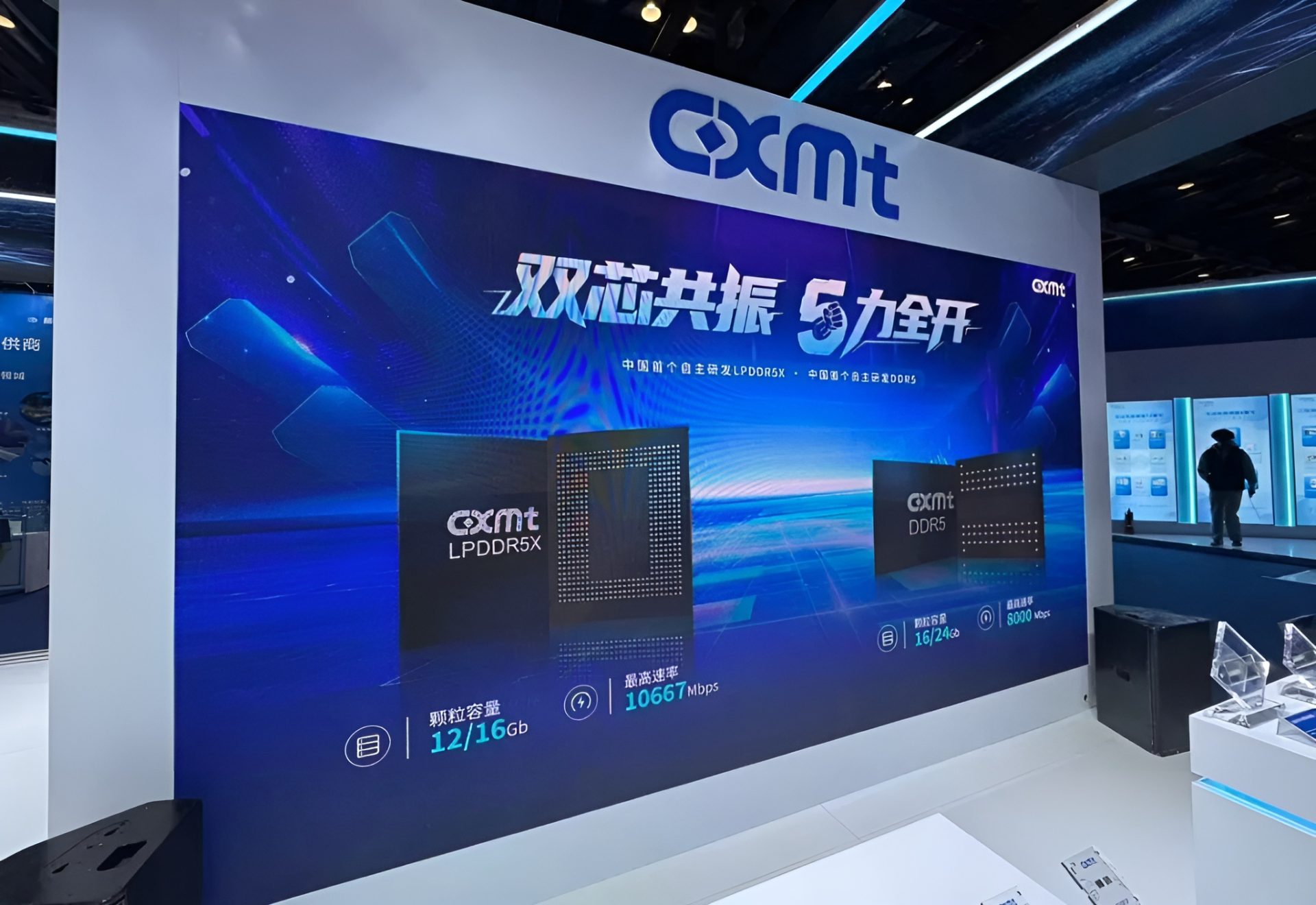
The Tensor G6’s specs are straightforward: a 5nm process node, up to four Cortex-X4 performance cores, and support for LPDDR5X memory. Benchmark results show it outperforms the Tensor G4 in raw speed, but the lack of Tensor Cores means AI tasks will likely require more power or longer compute times.
- Display: 10-bit 2880x1440 resolution (Pixel Tablet), 90Hz adaptive refresh
- Chip: 5nm, up to four Cortex-X4 cores, no Tensor Cores
- Memory: LPDDR5X-6200, up to 16GB
- Storage: UFS 4.0, up to 512GB
The trade-off is clear: the G6 is optimized for general-purpose performance at the cost of AI efficiency. For consumers, this means smoother gaming or multimedia tasks, but for developers building AI models on-device, the chip may feel limited.
Why It Matters
Google’s decision to drop Tensor Cores isn’t just a technical choice—it’s a strategic one. The Tensor G6 is designed for mobile and tablet devices where AI workloads are still relatively light. But as on-device AI becomes more complex, this chip may struggle to keep up without the hardware acceleration that made its predecessors so capable.
For now, the G6 will power the Pixel 9 series and Pixel Tablet, but its lack of Tensor Cores could make it a less compelling option for data-center or cloud workloads down the line. If Google wants to remain competitive in AI, future iterations may need to rethink this approach.
The bottom line: the Tensor G6 is a capable chip, but its limitations in AI efficiency could leave it behind as demands grow.